Gratis 
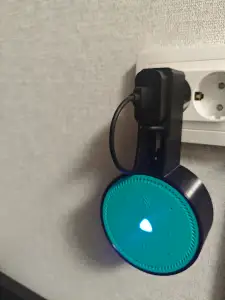
Yandex Robot antenna holder
Thingiverse
This collection gathers robot 3D models in several directions: articulated arms, mecha kits, small toy figures and holders shaped around smart speakers. It helps you compare how each design is put together before you send an STL file to a 3D printer. Some entries are static display pieces, while others are multi-part builds with moving joints. Polyzon does not confirm whether models are free, their price, license, official status, affiliation, safety or fitness. Check the current terms at the source.
Esta colección está escrita en inglés, pero la búsqueda funciona en cualquier idioma.
 Una colección de Polyzon · 46 modelos de 9 plataformas
Polyzon reúne esta colección a partir de los resultados de búsqueda de las plataformas conectadas. Se eliminan los duplicados y los modelos sin vista previa, las coincidencias débiles van al final y el resto mantiene el orden de la búsqueda. Los modelos pertenecen a sus autores: consulta las condiciones en la página de cada modelo.
Criterios de selección: el equipo editorial de Polyzon · Texto actualizado el 11/10/2026

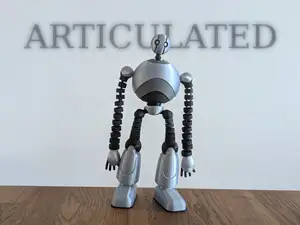
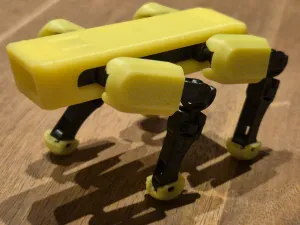

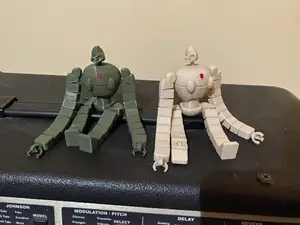

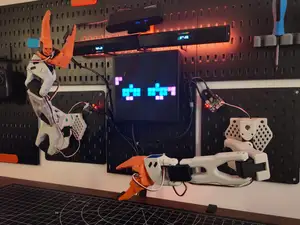
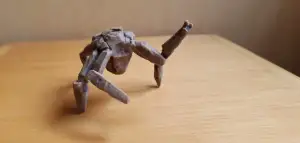
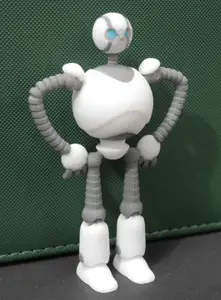


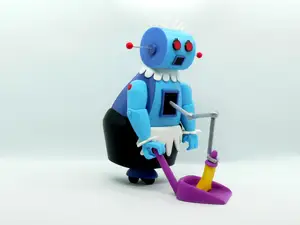

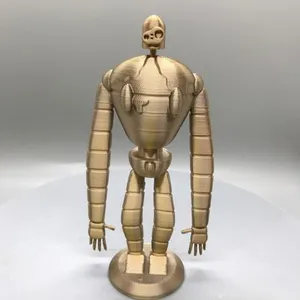
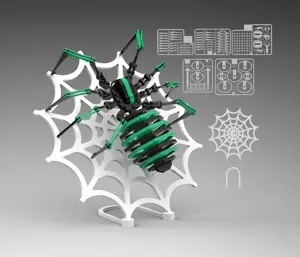


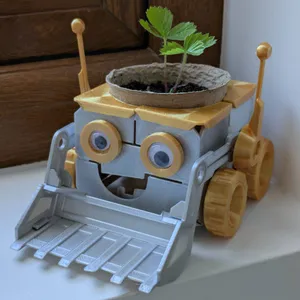
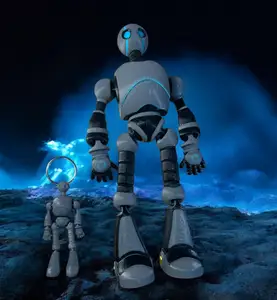
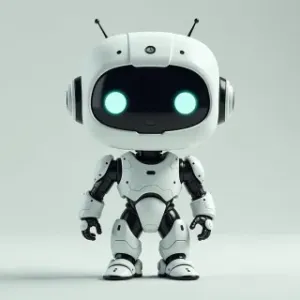

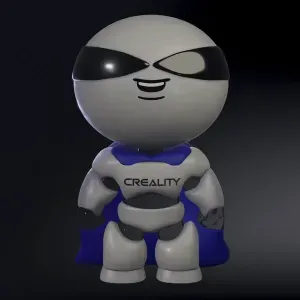

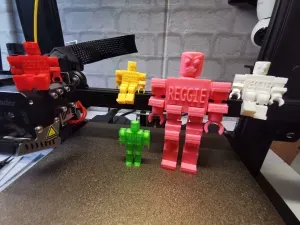
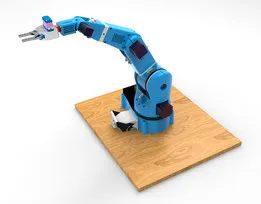

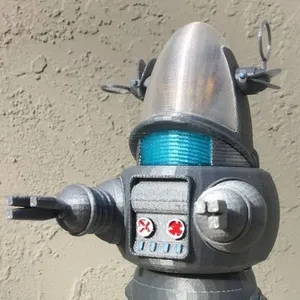


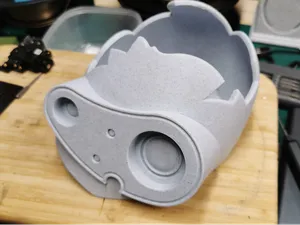


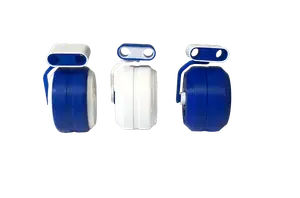
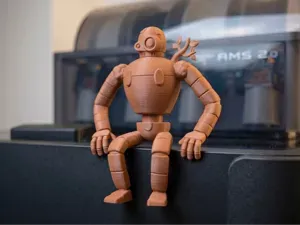


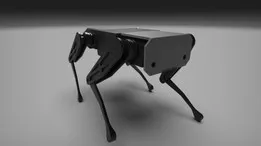
The models differ mainly in what they are meant to do. Articulated arms use several axes and joints, mecha and kit-card figures are built from flat plates that snap together, and novelty robots or clickers are usually small single-piece prints. A separate group covers stands and holders that follow the outline of a particular speaker, so the shape is defined by the device rather than by the robot itself.
Before printing, open the author's model page and check the listed size and scale, the number of parts and how they assemble, and whether supports are needed. Look at the material and settings the author names, since thin joints and small pins behave differently in PLA and in tougher filaments. Photos of real prints are the quickest way to judge how the joints and clearances actually come out.
If the first results feel narrow, widen the wording: robotic arm, manipulator, mecha, kit card, desk toy, stand, holder, speaker accessory. Related topics are worth trying too — sci-fi figures, servo-driven builds, animatronics and articulated display pieces often sit in the same search space. Combining a subject word with a build type, such as arm or stand, usually narrows the list faster than a single broad term.




El catálogo completo de temáticas, del hogar al CNC, con búsqueda en todas las plataformas conectadas.