€ 0.50 
Сабвуфер 1/10
Cults3D
This collection gathers 3D models tied to subwoofers: enclosures and boxes, grilles, feet, terminal boxes and internal padding parts. It is useful when you repair an existing cabinet or build a new one and need STL files for the pieces around the driver. Many entries are parametric or come with a CAD archive, so the shape can be adjusted to your own dimensions before 3D printing. Polyzon does not confirm whether models are free, their price, license, official status, affiliation, safety or fitness. Check the current terms at the source.
Esta colección está escrita en inglés, pero la búsqueda funciona en cualquier idioma.
 Una colección de Polyzon · 48 modelos de 7 plataformas
Polyzon reúne esta colección a partir de los resultados de búsqueda de las plataformas conectadas. Se eliminan los duplicados y los modelos sin vista previa, las coincidencias débiles van al final y el resto mantiene el orden de la búsqueda. Los modelos pertenecen a sus autores: consulta las condiciones en la página de cada modelo.
Criterios de selección: el equipo editorial de Polyzon · Texto actualizado el 12/10/2026


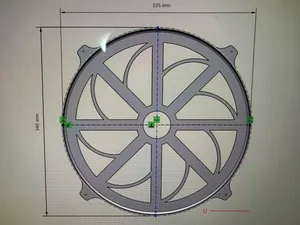


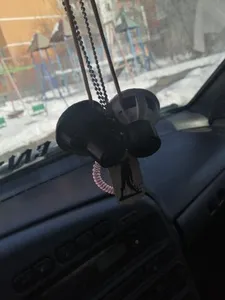


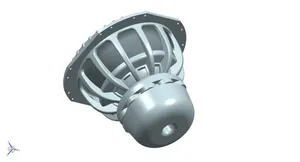
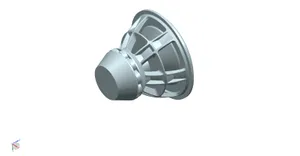


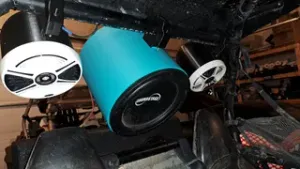

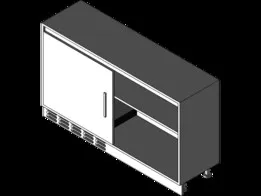

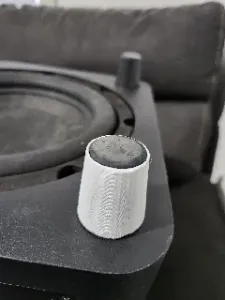


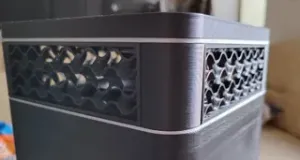
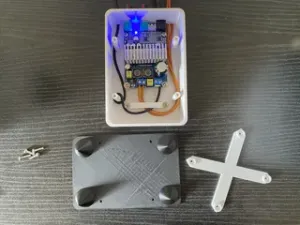

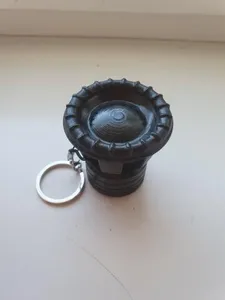

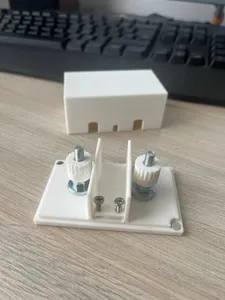
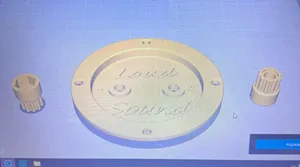


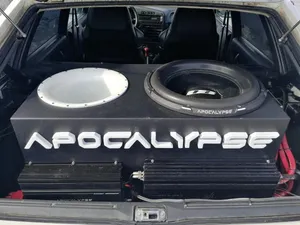

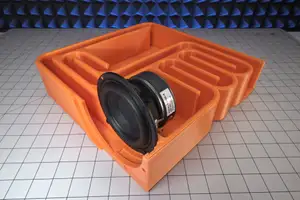
The largest group is enclosures: sealed and vented boxes, bandpass and isobaric layouts, tower and roll-bar shapes, plus cabinet variants that hold the driver in a specific position. Parts are the second group — grilles, replacement feet, terminal boxes, sockets and damping inserts that sit inside the cabinet. A smaller set covers speaker modules, waveguides and preamp housings that combine a stand with an electronic case.
When choosing a model, start with the driver diameter and the internal volume the author states, then compare them with your own speaker. Look at the wall thickness, the number of separate parts, how they join, and whether the author shows supports or splitting for a smaller build plate. The model page usually lists the material, layer height and infill the author used, along with photos of real prints; those photos tell you more about the surface finish and fit than the render does.
To narrow the search, try synonyms such as speaker box, cabinet, bandpass, isobaric, port, or the driver size instead of the word subwoofer alone. Related terms help too: grille, foot, terminal, socket, damping, waveguide, preamp case. If you already know the driver model, search by its size and impedance, and check the enclosure volume in the description rather than relying on the title.





El catálogo completo de temáticas, del hogar al CNC, con búsqueda en todas las plataformas conectadas.