Gratis 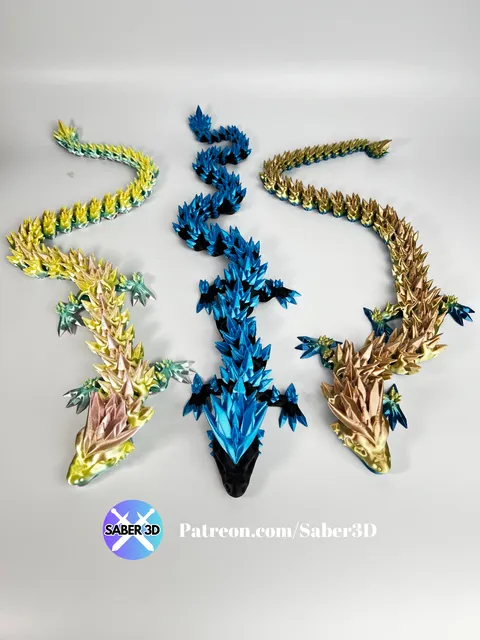
Articulated Crystal Dragon by Saber3D
MakerWorld
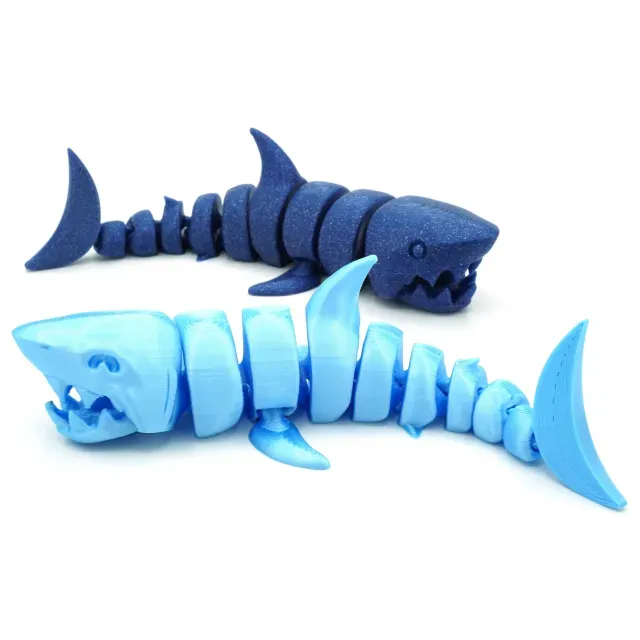
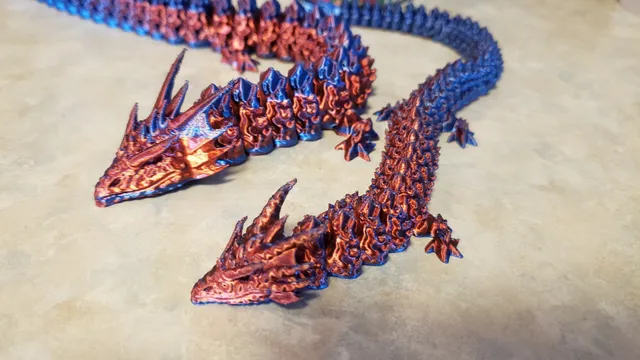
This collection gathers articulated 3D models whose parts move after printing: dragons, sea creatures, insects, reptiles and small flexi toys. Most are made for a desktop 3D printer and come as STL files that print as one piece or as a few connected segments. It helps you compare joint styles, sizes and print orientation before you commit to a long print. Polyzon does not confirm whether models are free, their price, license, official status, affiliation, safety or fitness. Check the current terms at the source.
Esta colección está escrita en inglés, pero la búsqueda funciona en cualquier idioma.
 Una colección de Polyzon · 47 modelos de 4 plataformas
Polyzon reúne esta colección a partir de los resultados de búsqueda de las plataformas conectadas. Se eliminan los duplicados y los modelos sin vista previa, las coincidencias débiles van al final y el resto mantiene el orden de la búsqueda. Los modelos pertenecen a sus autores: consulta las condiciones en la página de cada modelo.
Criterios de selección: el equipo editorial de Polyzon · Texto actualizado el 10/10/2026




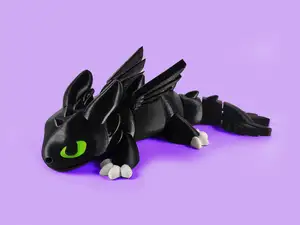

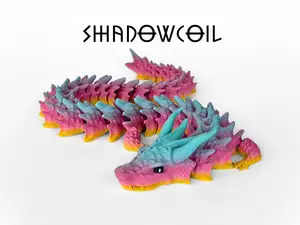


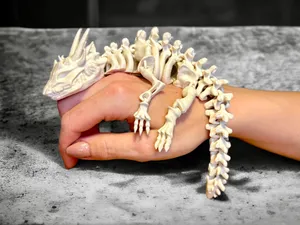


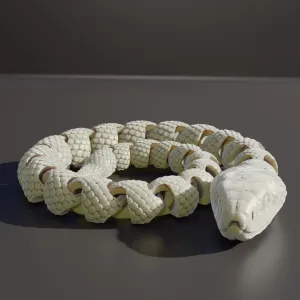
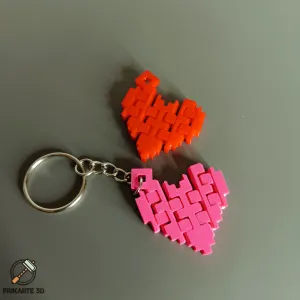
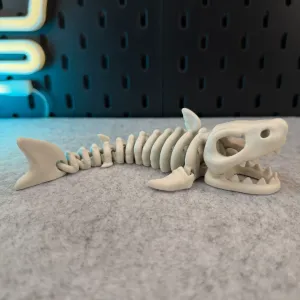

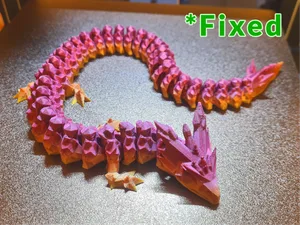
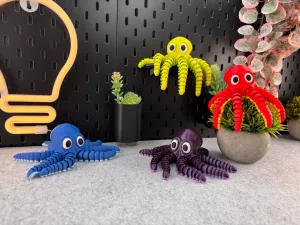
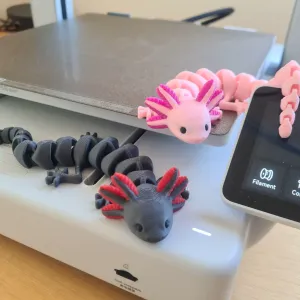

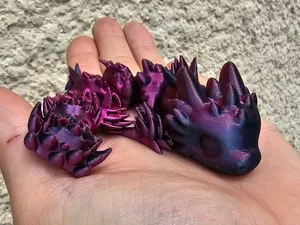
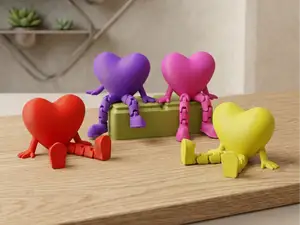


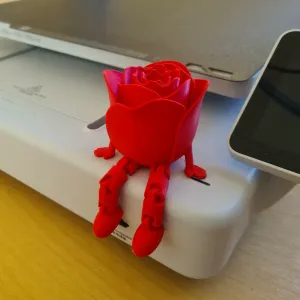
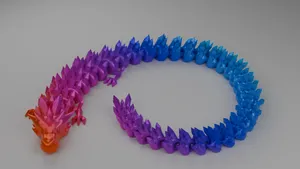
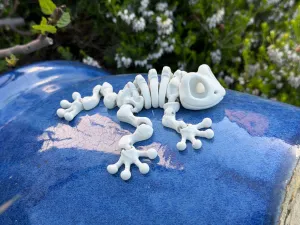
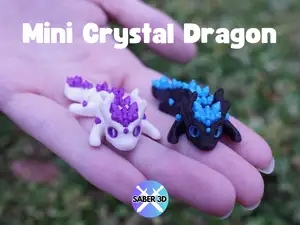

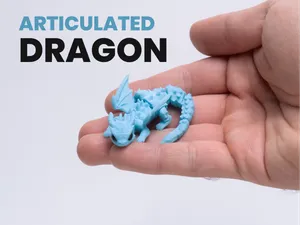

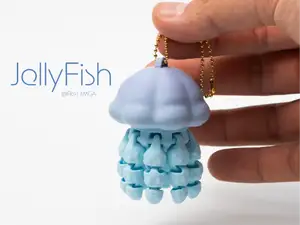

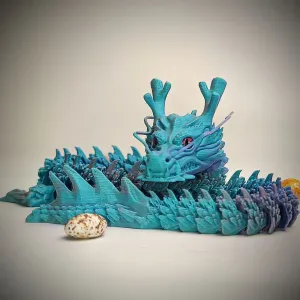
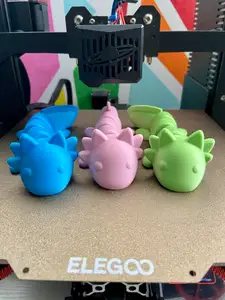
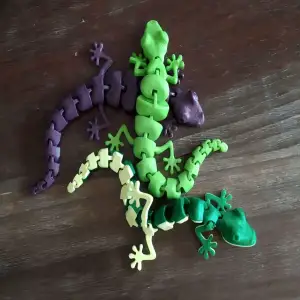
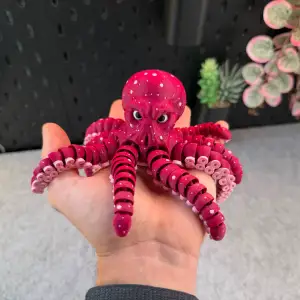
The models here differ mainly in how the joints are built. Dragons and other fantasy creatures usually have a long segmented body or spine, sea creatures and snakes rely on a chain of repeating links, and small figures such as insects or lizards use a compact set of ball or pin joints. Some files print entirely in one piece, while others are split into parts that you assemble after printing. Size also varies widely, from keychain-scale minis to large display pieces.
When choosing a model, open the author's page and read the details rather than judging by the preview image. Check the overall size and scale, the number of parts, whether supports are needed, and the material and settings the author lists. Look at photos of real prints to see how the joints sit and how much clearance they have. For moving parts, a well-calibrated first layer and correct flow matter more than exotic settings.
If the results feel narrow, try synonyms and related terms. "Flexi", "print-in-place", "segmented" and "ball-jointed" describe the same idea from different angles, and pairing them with a subject such as dragon, shark, snake or axolotl widens the list. You can also search by use: desk toy, keychain, fidget, or display figure. Browsing related creature categories often turns up designs that a single keyword misses.


El catálogo completo de temáticas, del hogar al CNC, con búsqueda en todas las plataformas conectadas.