
Gratis 
Gearbox Keychain
Thingiverse
This collection gathers gear-focused 3D models for 3D printing, from replacement parts to kinetic toys and decorative rollers. You can compare how each design handles teeth, shafts and mounting. It is a starting point for finding an STL that matches a mechanism you want to build or repair. Polyzon does not confirm whether models are free, their price, license, official status, affiliation, safety or fitness. Check the current terms at the source.
Esta colección está escrita en inglés, pero la búsqueda funciona en cualquier idioma.
 Una colección de Polyzon · 48 modelos de 4 plataformas
Polyzon reúne esta colección a partir de los resultados de búsqueda de las plataformas conectadas. Se eliminan los duplicados y los modelos sin vista previa, las coincidencias débiles van al final y el resto mantiene el orden de la búsqueda. Los modelos pertenecen a sus autores: consulta las condiciones en la página de cada modelo.
Criterios de selección: el equipo editorial de Polyzon · Texto actualizado el 11/10/2026




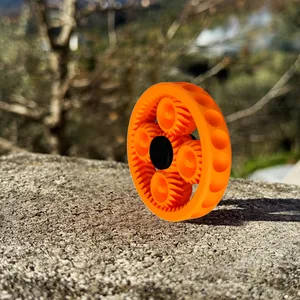


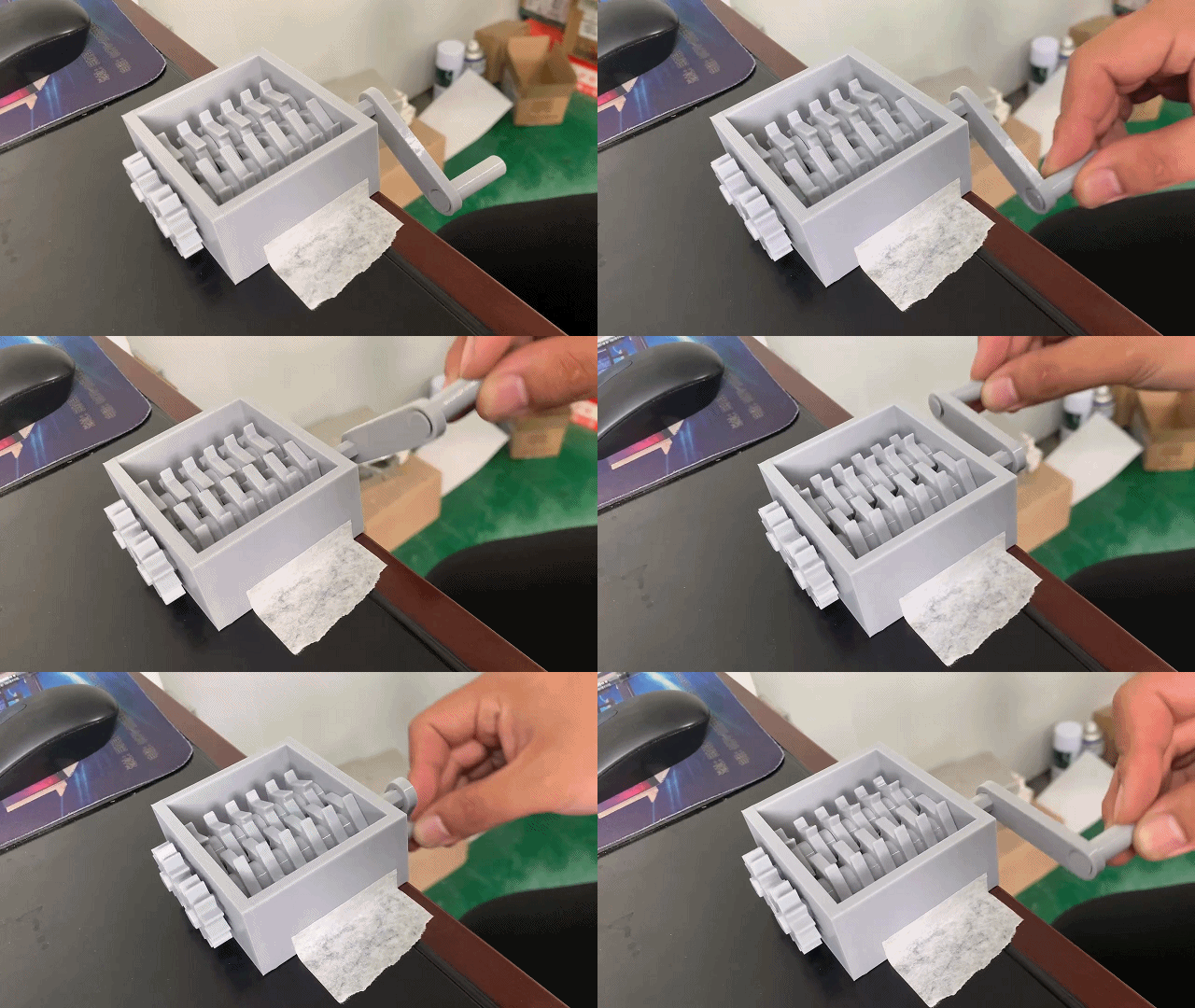


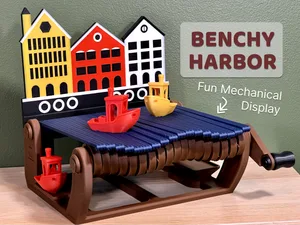


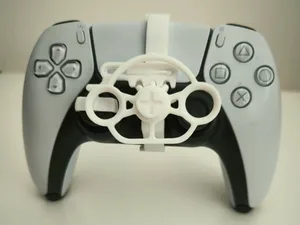







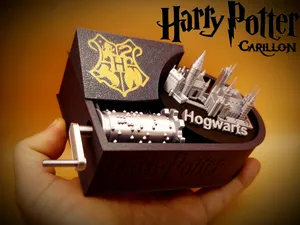


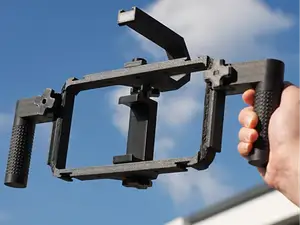


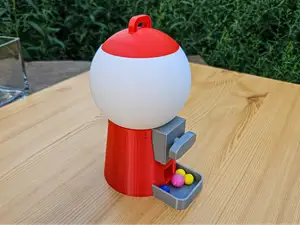


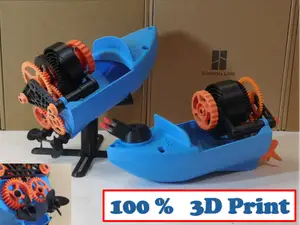


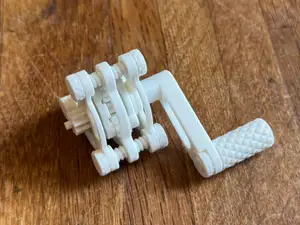


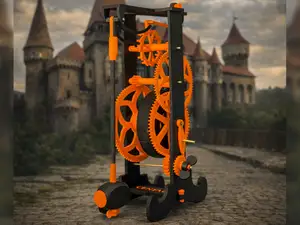
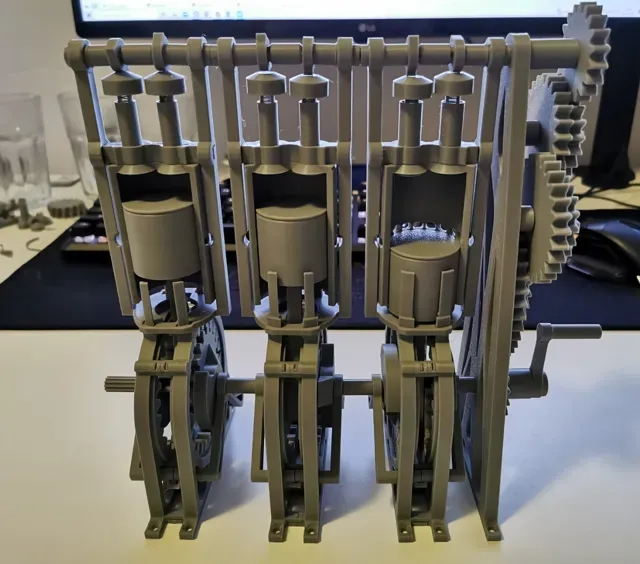
Gear models range from single replacement wheels for tools and appliances to multi-part gearboxes, planetary sets and hand-cranked mechanisms. Some files are modeled as static display pieces, while others include moving axles, frames or fidget elements. Decorative rollers and stamp-like shapes form another group, often built around cosplay props rather than mechanical drives.
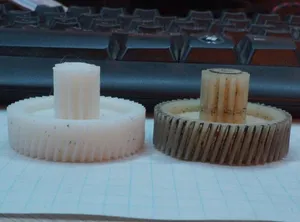
When choosing a gear model, check the tooth profile, module or pitch, bore diameter, hub shape and overall thickness on the author's page. Look at whether the file is a single part or an assembly, how many pieces must be joined, and whether supports or post-processing are needed. The material and settings the author lists, along with photos of real prints, help you judge how the teeth and thin sections may come out on your 3D printer.
To refine a search, try terms such as spur gear, helical gear, planetary gearbox, worm drive, rack and pinion, replacement gear, or mechanical toy. Related topics include fidget spinners, automata, marble machines, engine models, and parametric gear generators. Adding a device type, tooth count, or shaft size can narrow results, while broader words like mechanism or transmission bring in larger assemblies.




El catálogo completo de temáticas, del hogar al CNC, con búsqueda en todas las plataformas conectadas.