
Gratis 
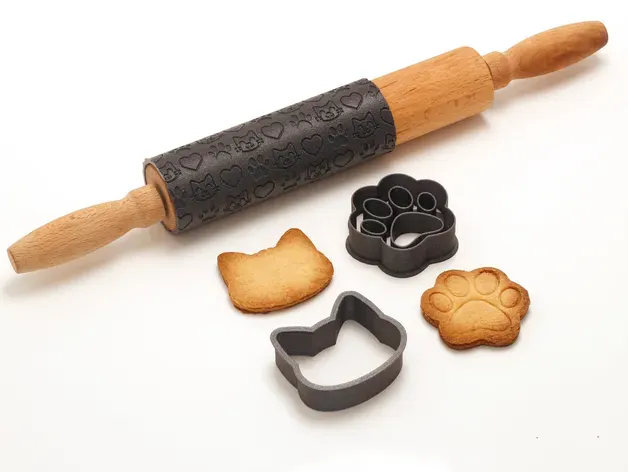
Набор для выпечки Neko - кошачий резак для печенья / скалка для раскатывания
Cults3D
This collection gathers rolling pin STL files made for 3D printing, from plain cylinders for dough to textured rollers that press brick, tile or geometric patterns into clay. It also covers the small parts that go with them, such as spacers, guides and cutters. Browsing here helps you find the shape and surface you need before opening a model page on its source platform. Polyzon does not confirm whether models are free, their price, license, official status, affiliation, safety or fitness. Check the current terms at the source.
Esta colección está escrita en inglés, pero la búsqueda funciona en cualquier idioma.
 Una colección de Polyzon · 48 modelos de 6 plataformas
Polyzon reúne esta colección a partir de los resultados de búsqueda de las plataformas conectadas. Se eliminan los duplicados y los modelos sin vista previa, las coincidencias débiles van al final y el resto mantiene el orden de la búsqueda. Los modelos pertenecen a sus autores: consulta las condiciones en la página de cada modelo.
Criterios de selección: el equipo editorial de Polyzon · Texto actualizado el 12/10/2026


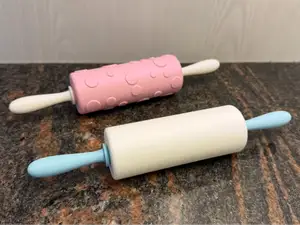
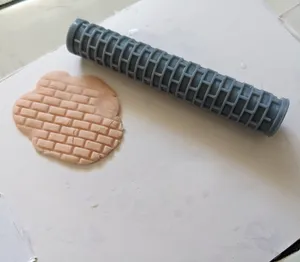
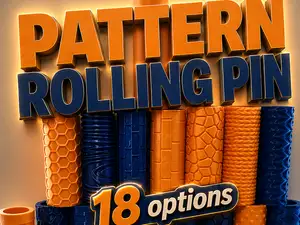
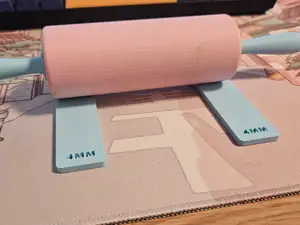

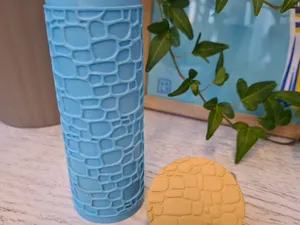


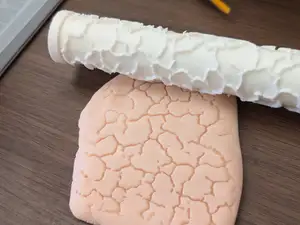
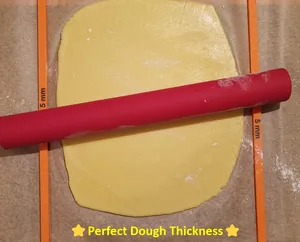
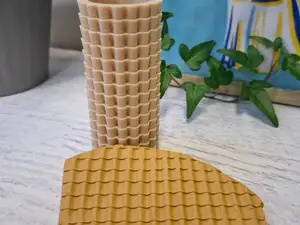
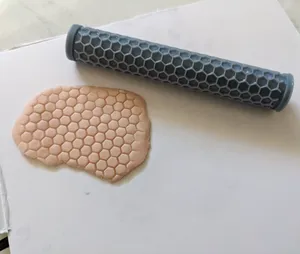

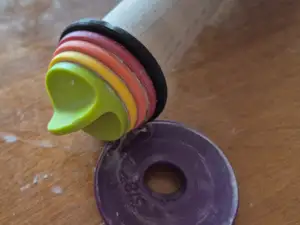


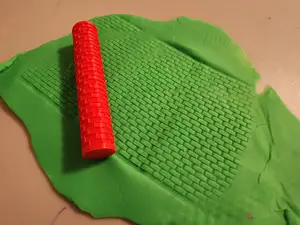
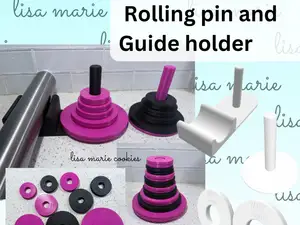
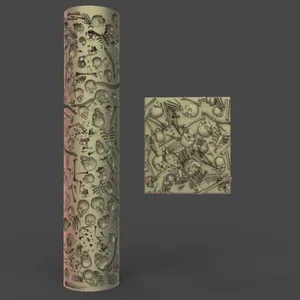

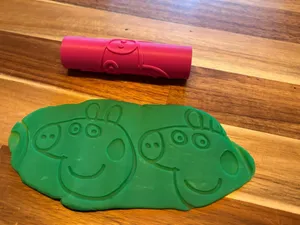
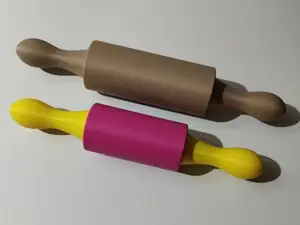
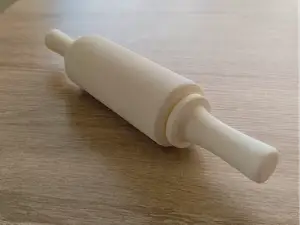

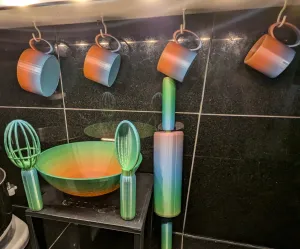


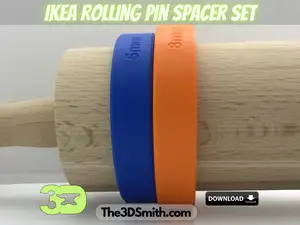

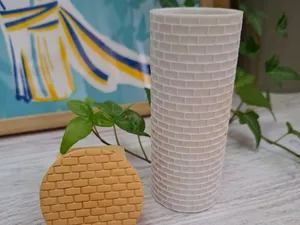

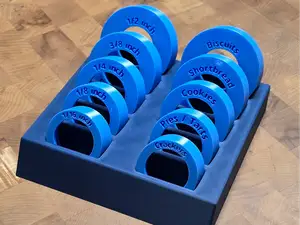


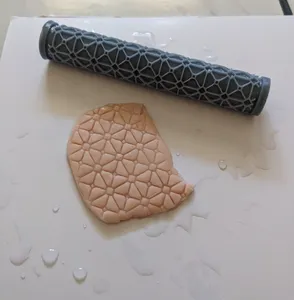
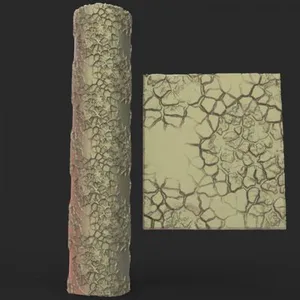
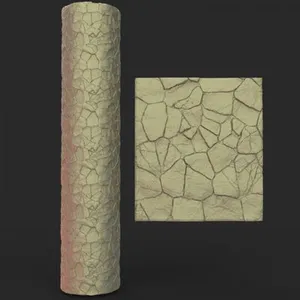


The pins in this collection differ mainly in surface and purpose. Plain rollers are simple cylinders, sometimes with handles or a tapered end, and are used for dough, fondant or clay. Texture rollers carry a raised or recessed pattern along the barrel, so the imprint comes from the model itself rather than from a separate stamp. A third group is made of accessories: spacer rings, guide sticks and levelers that sit at the ends of a pin and set how thick the rolled sheet becomes.
When you open a model page, check the listed dimensions first, since a long barrel may not fit a small build volume and some designs are split into sections that need joining. Look at how many parts are included, whether the handles or spacers are separate prints, and whether the author mentions supports. For textured pins, the layer height and orientation affect how crisp the pattern reads, so compare the settings the author lists with photos of actual prints.
Search results widen quickly if you try other names for the same object: dough roller, clay roller, embossing roller, brayer or pattern roller. Related terms such as fondant, polymer clay, playdough, cookie cutter and stamp often surface pins that a single query misses. If you need a specific imprint, describe it directly, for example brick, hexagon, cracked earth or roof tile, and combine it with the roller or pin wording.


El catálogo completo de temáticas, del hogar al CNC, con búsqueda en todas las plataformas conectadas.

