
Gratis 
Tactile Braille Dice
Thingiverse
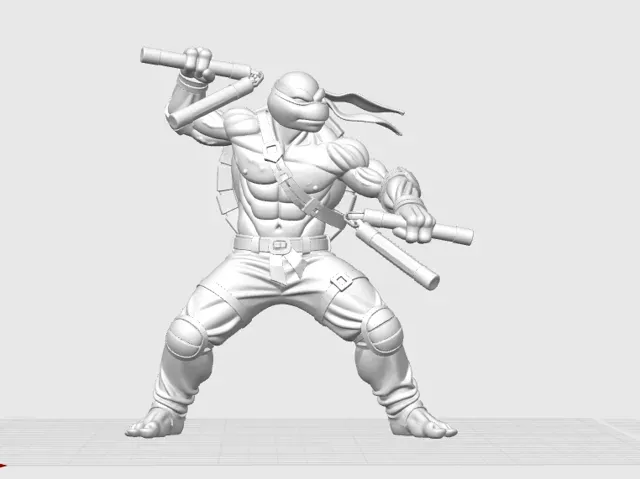
This collection gathers turtle and tortoise figures, tactile plates, shell-shaped planters and a few pastry models in STL. It is useful when you want a small 3D printing project that works as a toy, a teaching aid or a desk object. Many of these files are small enough for one session on a desktop 3D printer. Polyzon does not confirm whether models are free, their price, license, official status, affiliation, safety or fitness. Check the current terms at the source.
Esta colección está escrita en inglés, pero la búsqueda funciona en cualquier idioma.
 Una colección de Polyzon · 47 modelos de 3 plataformas
Polyzon reúne esta colección a partir de los resultados de búsqueda de las plataformas conectadas. Se eliminan los duplicados y los modelos sin vista previa, las coincidencias débiles van al final y el resto mantiene el orden de la búsqueda. Los modelos pertenecen a sus autores: consulta las condiciones en la página de cada modelo.
Criterios de selección: el equipo editorial de Polyzon · Texto actualizado el 15/10/2026

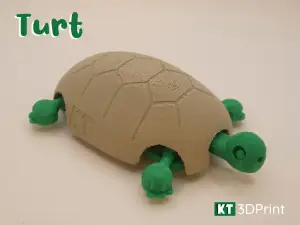

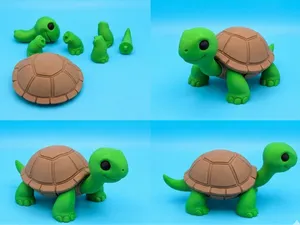
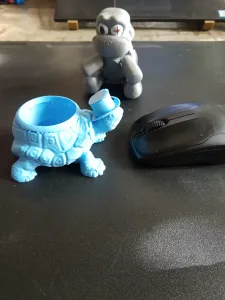

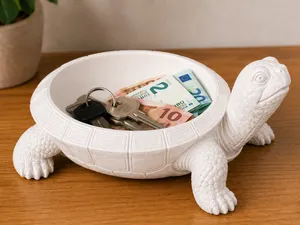
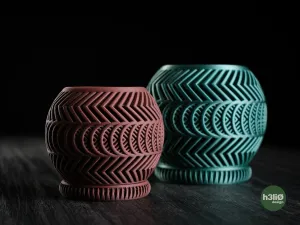

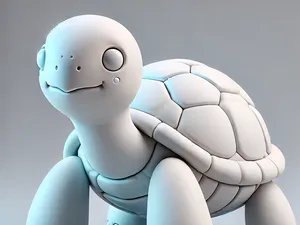
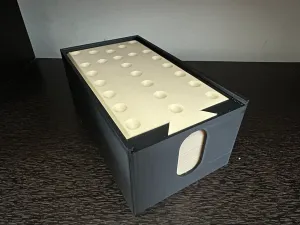

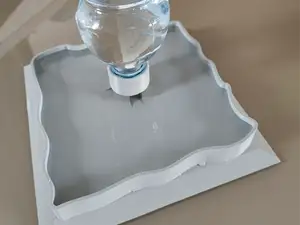

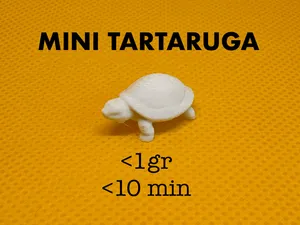
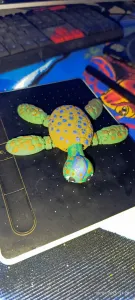

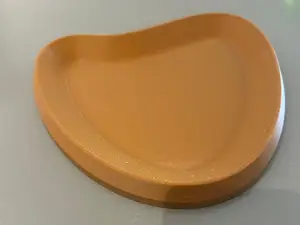
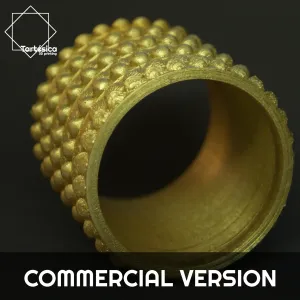

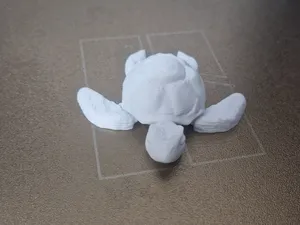
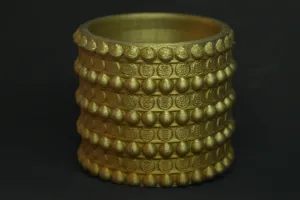

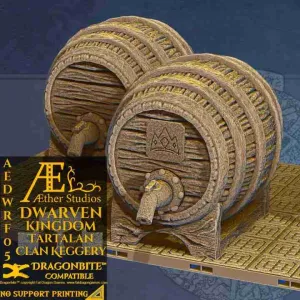

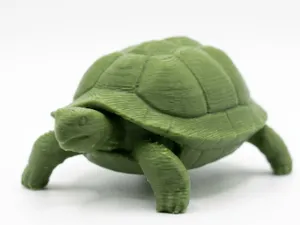

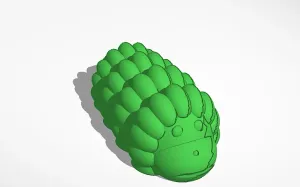

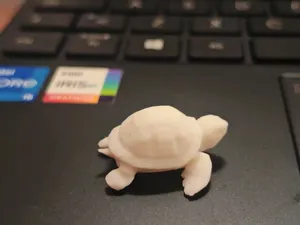
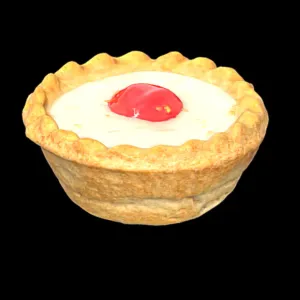

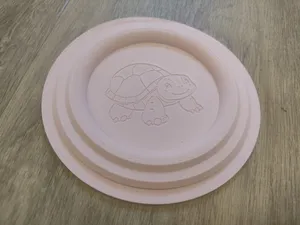
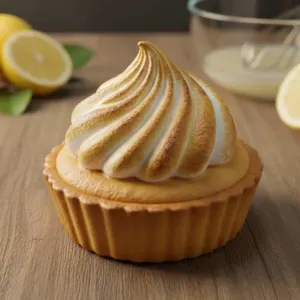



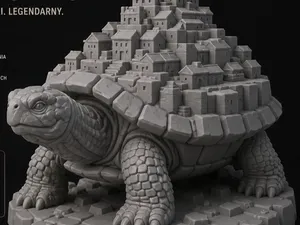
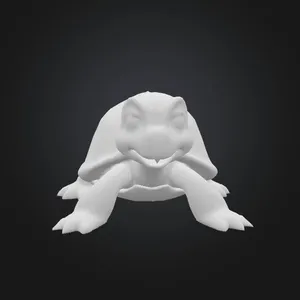
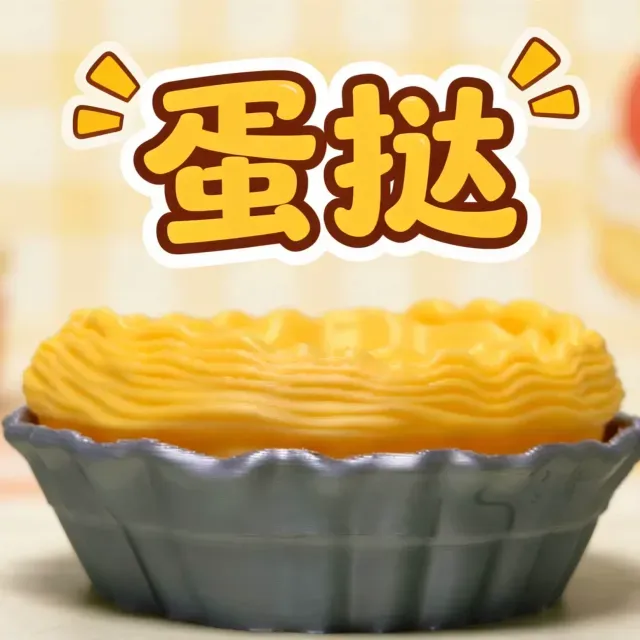
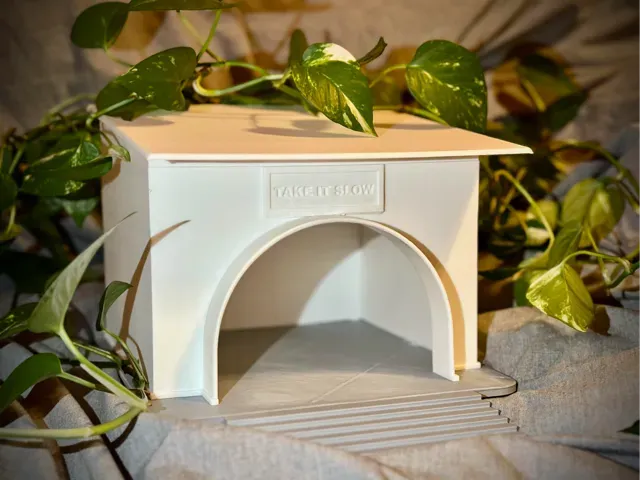
The turtle entries differ a lot in construction. Some are single-piece figures with a smooth shell, others are mechanical toys with moving legs or a hinged body, and a third group turns the shell into a container: a planter, a coin tray or a desk holder. Tactile models form a separate group, usually flat plates with raised dots, lines or simplified reliefs meant to be read by touch. Pastry items such as egg tarts and cake decorations sit at the edge of the topic and are mostly decorative.
Before printing, open the author's page and read the listed dimensions, part count and assembly notes. For figures, check the smallest details and decide on layer height; for planters and holders, look at wall thickness and whether the base is closed. The page usually states the material and settings the author used, and photos of real prints show how the surface and overhangs came out. If supports are mentioned, plan where they will touch the visible side of the model.
Search results widen quickly once you try related words. For animals, tortoise, chelonian and shell return different sets; for accessibility, braille, raised-relief and tactile puzzle work well; for planters, pot, cachepot and desk organizer bring in more shapes. Pastry terms such as egg tart, dessert mold or cake topper lead to food-themed files. Adding a material or printer term narrows the list further.
Tactile models are usually printed flat, so the raised pattern stays sharp and no supports are needed on the top face. Scaling changes how the surface feels: enlarging a plate makes dots easier to distinguish, while shrinking a figure can merge fine details. When a model is split into parts, print them in the orientation the author shows and dry-fit before gluing.




El catálogo completo de temáticas, del hogar al CNC, con búsqueda en todas las plataformas conectadas.