
Gratis 
TPU Benchy - Inland TPU 95A
MakerWorld
This collection gathers 3D models designed around TPU 95A and similar flexible filaments, from squishy toys to grips and repair parts. Because the material bends and springs back, these files behave differently from rigid PLA prints, and the collection is a useful starting point for anyone exploring flexible 3D printing. Polyzon does not confirm whether models are free, their price, license, official status, affiliation, safety or fitness. Check the current terms at the source.
Esta colección está escrita en inglés, pero la búsqueda funciona en cualquier idioma.
 Una colección de Polyzon · 48 modelos de 3 plataformas
Polyzon reúne esta colección a partir de los resultados de búsqueda de las plataformas conectadas. Se eliminan los duplicados y los modelos sin vista previa, las coincidencias débiles van al final y el resto mantiene el orden de la búsqueda. Los modelos pertenecen a sus autores: consulta las condiciones en la página de cada modelo.
Criterios de selección: el equipo editorial de Polyzon · Texto actualizado el 11/10/2026
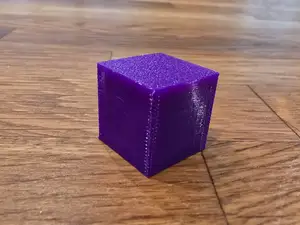




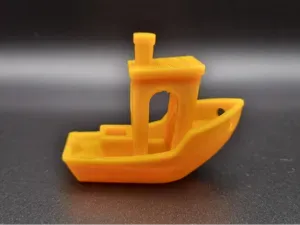
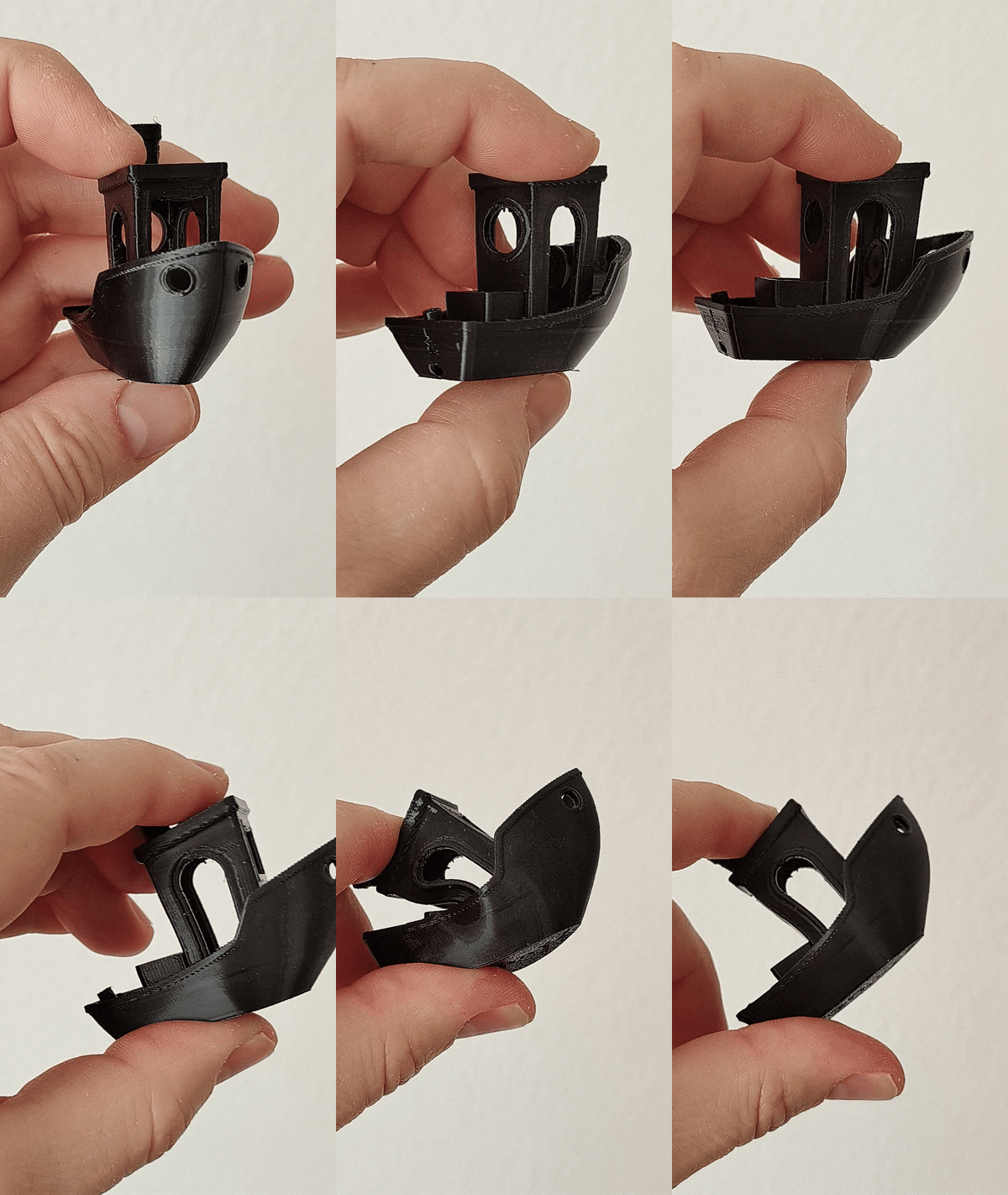


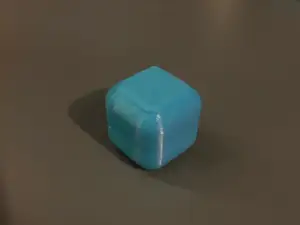

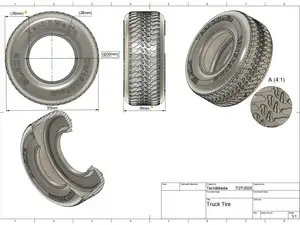
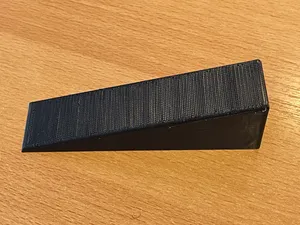
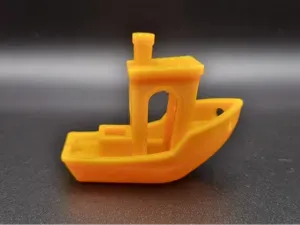

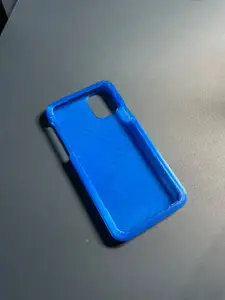

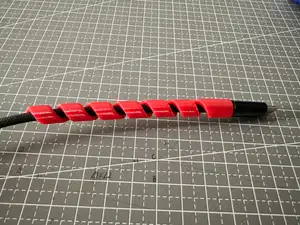


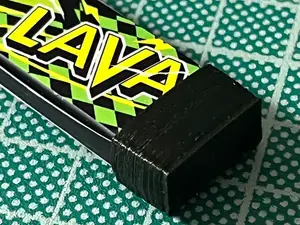
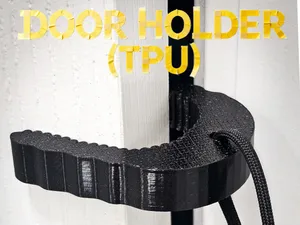
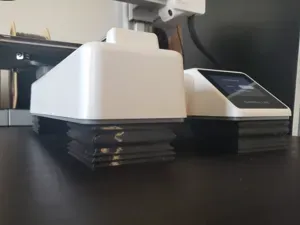

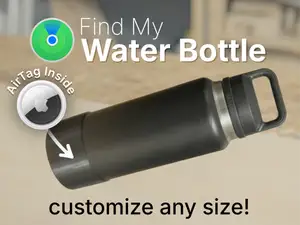

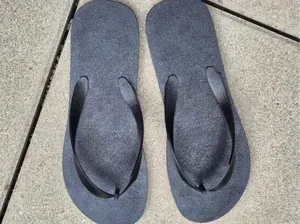
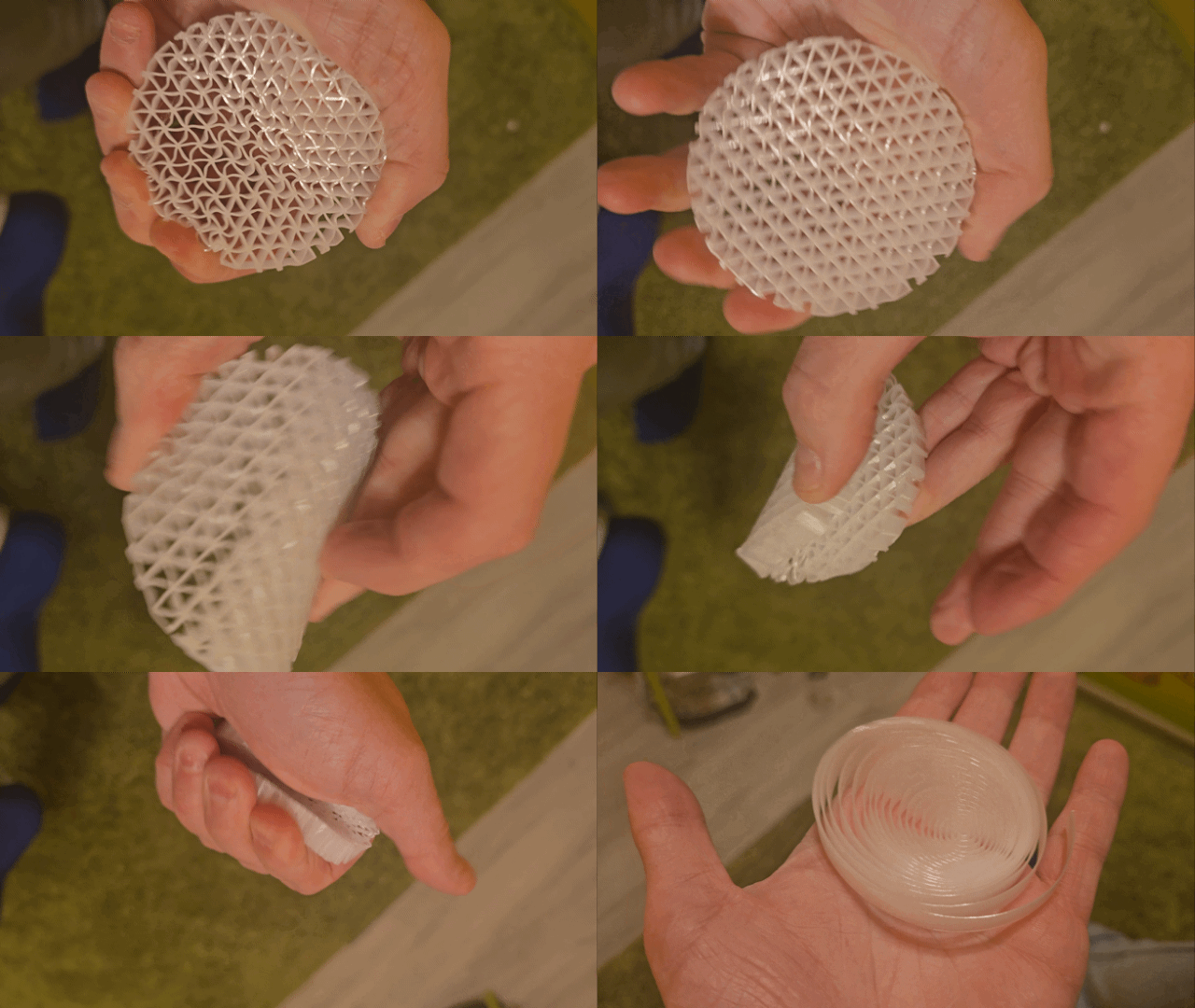

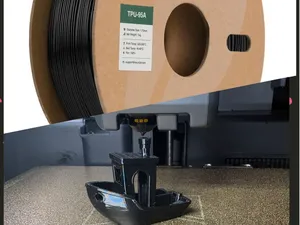
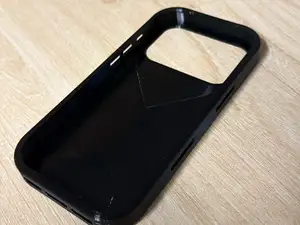
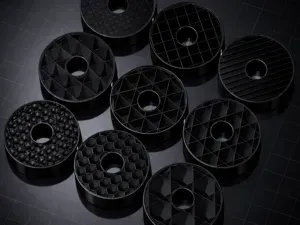


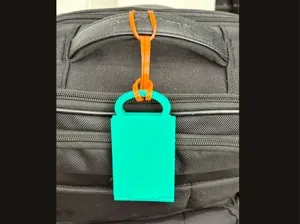
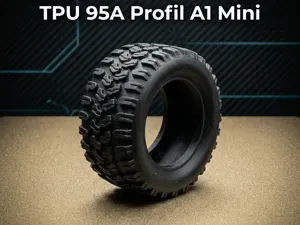
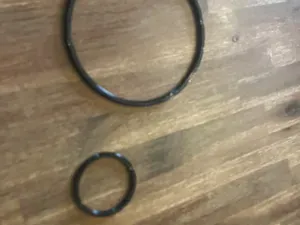
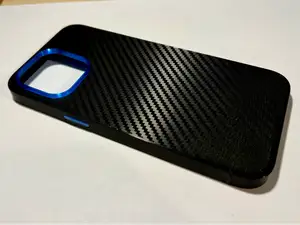
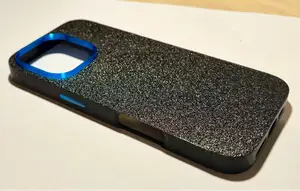
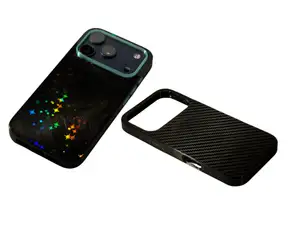
The models here fall into a few rough groups. Toys and fidgets lean on the material's softness, while grips, pads and handle covers use it for friction and comfort. Repair parts and replacement pieces show up often, since a flexible part can be pressed into place where a rigid one would crack. Impact tools such as mallets and hammer caps appear too, along with guards and other wearable pieces that need to flex with movement.
When choosing a file, look at what the author states on the model page: overall size and scale, wall thickness, how many parts there are and how they join, and whether supports are needed. Flexible filament is usually printed slower and with less retraction than rigid plastics, so check the temperatures, speeds and nozzle size the author lists, and look at photos of real prints to judge how the part actually bends. Thin walls and tall unsupported shapes are the usual trouble spots.
If the results feel narrow, try related wording. Searches for flexible filament, shore hardness values, squishy toys, fidget models, gaskets, bumpers, feet, grips, straps or wearables often surface files the same way. Combining a material term with a function, such as a flexible clamp pad or a bendable guard, tends to be more productive than the material name alone.
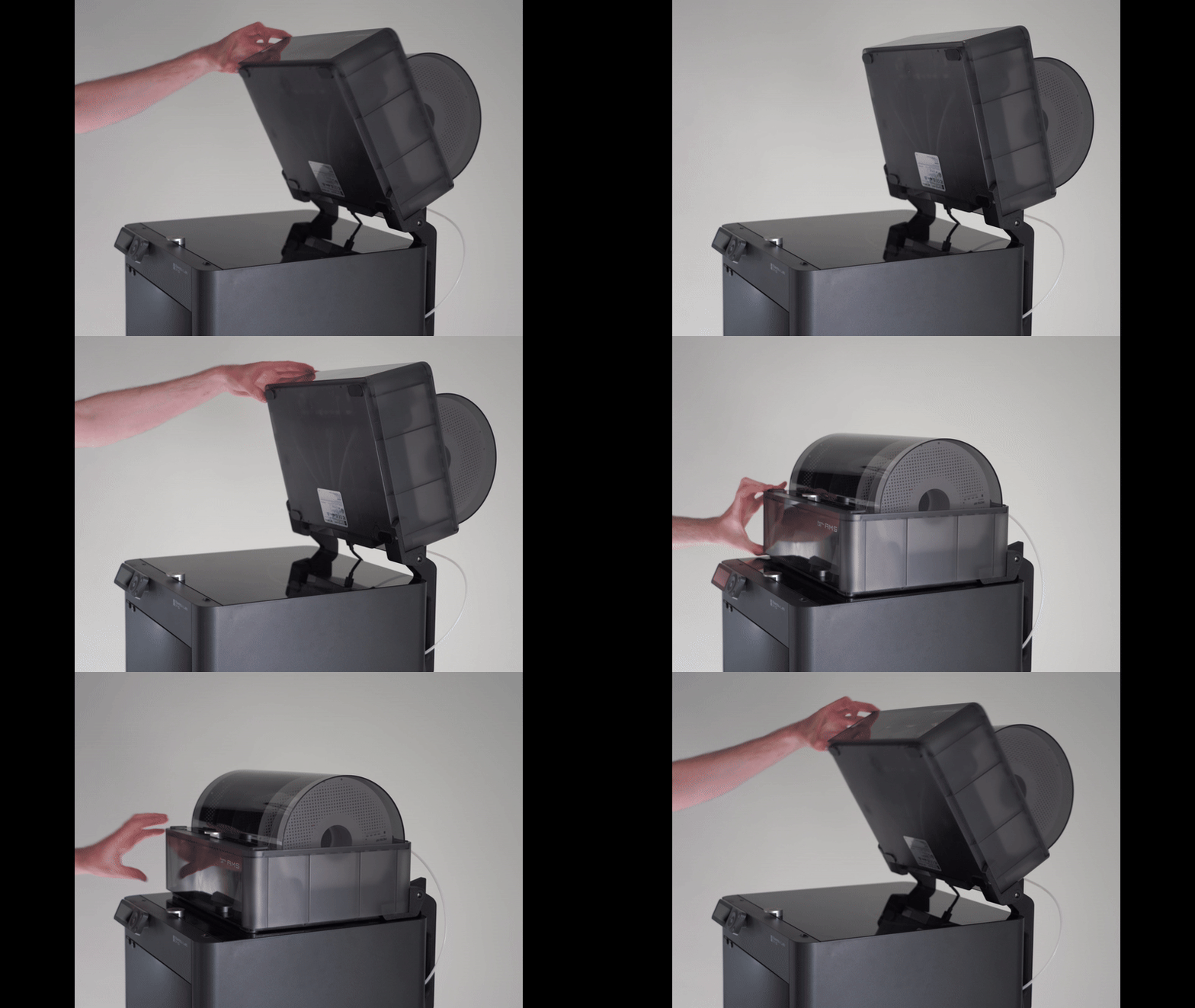




El catálogo completo de temáticas, del hogar al CNC, con búsqueda en todas las plataformas conectadas.