Gratis 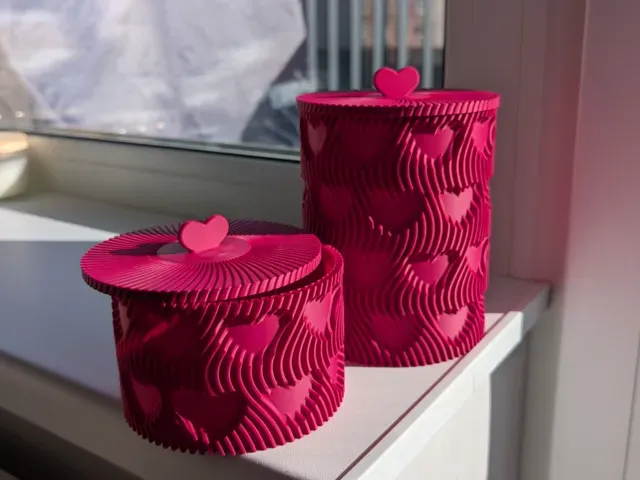
Heart Vase with Lid
MakerWorld
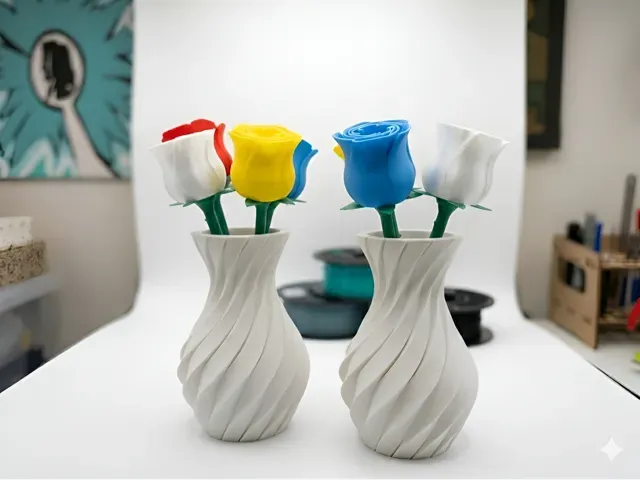
This collection gathers vase 3D models in several directions: spiral and twisted bodies, patterned surfaces, lidded and multi-part builds, and designs shown together with flowers. It is useful when you want a container for a real bouquet or a decorative object for a shelf, and you are choosing between a single-wall print and a thicker assembled form. Each listing links to the source page, where the STL files and the author's notes live. Polyzon does not confirm whether models are free, their price, license, official status, affiliation, safety or fitness. Check the current terms at the source.
Esta colección está escrita en inglés, pero la búsqueda funciona en cualquier idioma.
 Una colección de Polyzon · 48 modelos de 6 plataformas
Polyzon reúne esta colección a partir de los resultados de búsqueda de las plataformas conectadas. Se eliminan los duplicados y los modelos sin vista previa, las coincidencias débiles van al final y el resto mantiene el orden de la búsqueda. Los modelos pertenecen a sus autores: consulta las condiciones en la página de cada modelo.
Criterios de selección: el equipo editorial de Polyzon · Texto actualizado el 15/10/2026


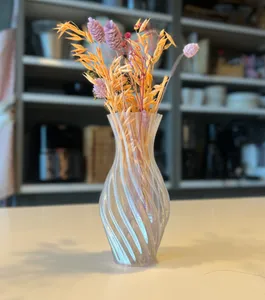


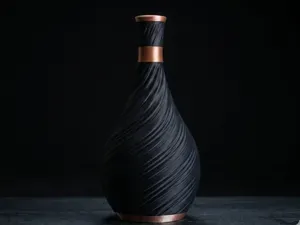




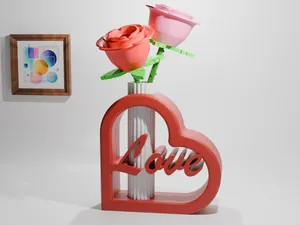
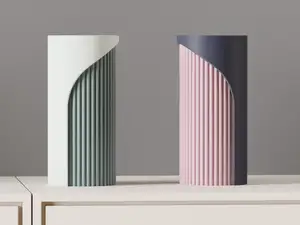


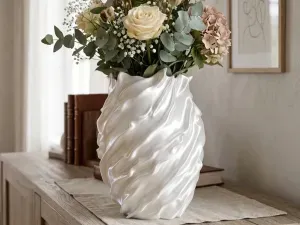

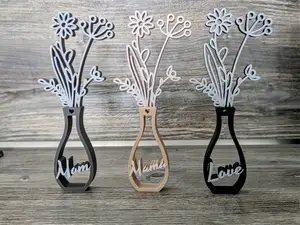


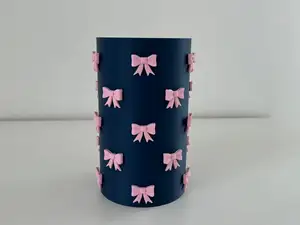
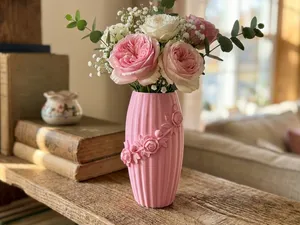
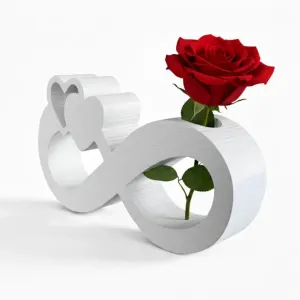



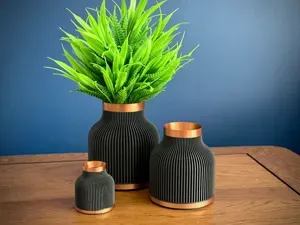


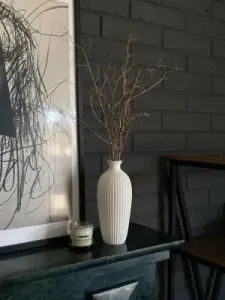

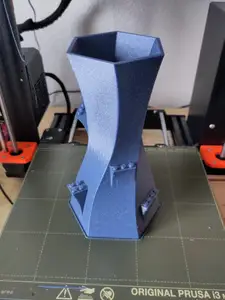


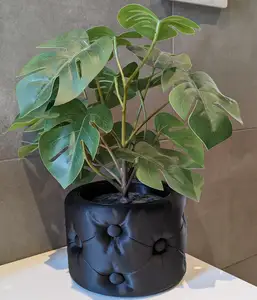


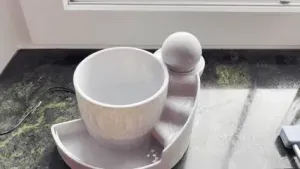
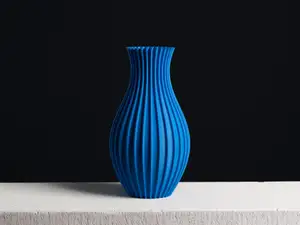
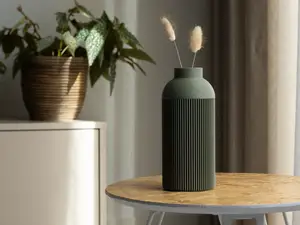
Spiral and twisted vases usually have a continuous wall, so the shape comes from the profile rather than from separate parts. Patterned versions — diamond, rectangular or ribbed — add surface detail that reads differently depending on layer height and light. Lidded and multi-part designs are closer to assembly work: they include several pieces that have to fit together, and sometimes a bottom or an insert.
Before printing, look at the dimensions and scale on the model page, since a vase that looks small on screen can be tall in reality. Check how many parts the file set contains, whether the author mentions supports, and which material and settings they list — a thin spiral wall and a thick patterned wall behave differently. Photos of real prints, if the author posted them, show how the surface and the seams come out.
If you want more results, try related wording: planter, pot, vessel, bud vase, pen holder, or the shape itself — twisted, faceted, ribbed, low-poly. Adding a use case such as dried flowers, kitchen counter or desk helps narrow the list, and combining a shape word with a style word usually gives a more focused set than a single broad query.
El catálogo completo de temáticas, del hogar al CNC, con búsqueda en todas las plataformas conectadas.