
Gratis 
Utah Teapot
Thingiverse
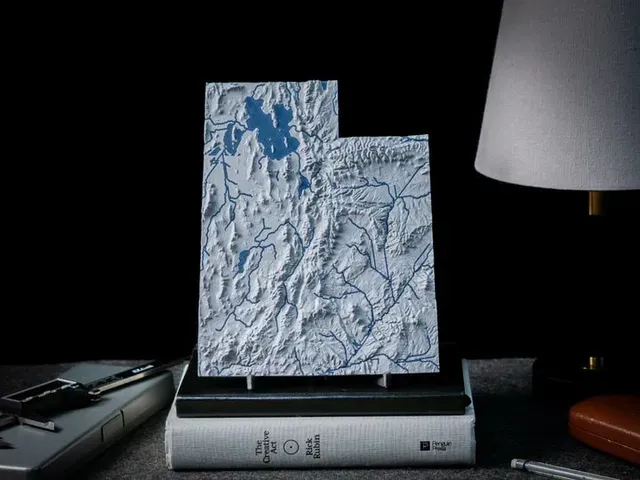
This collection gathers Utah-related 3D printing files: teapot and teacup variants, topographic maps, park landmarks, campus items and temple models. It is useful when you want a recognizable shape with a clear regional or technical reference point. Most entries are small STL objects that print on a desktop 3D printer. Polyzon does not confirm whether models are free, their price, license, official status, affiliation, safety or fitness. Check the current terms at the source.
Esta colección está escrita en inglés, pero la búsqueda funciona en cualquier idioma.
 Una colección de Polyzon · 47 modelos de 4 plataformas
Polyzon reúne esta colección a partir de los resultados de búsqueda de las plataformas conectadas. Se eliminan los duplicados y los modelos sin vista previa, las coincidencias débiles van al final y el resto mantiene el orden de la búsqueda. Los modelos pertenecen a sus autores: consulta las condiciones en la página de cada modelo.
Criterios de selección: el equipo editorial de Polyzon · Texto actualizado el 14/10/2026


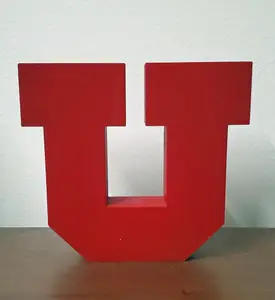
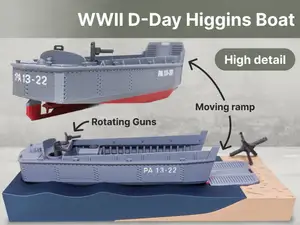


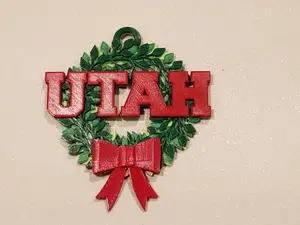
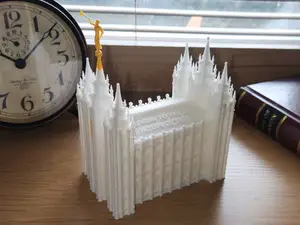


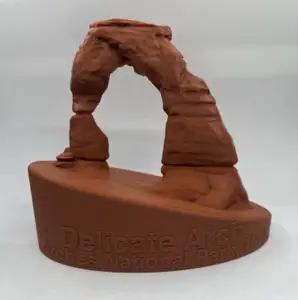
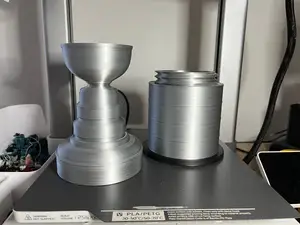


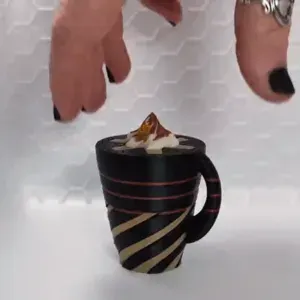


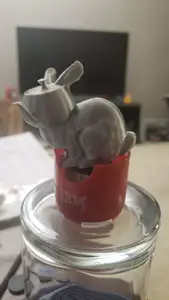
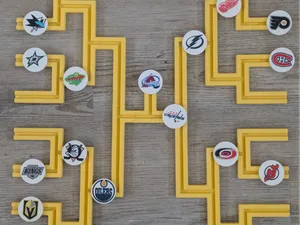


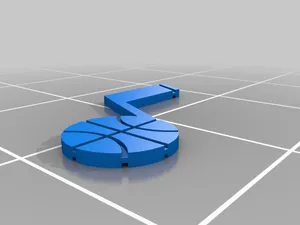
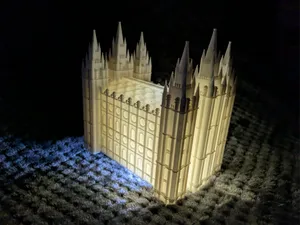



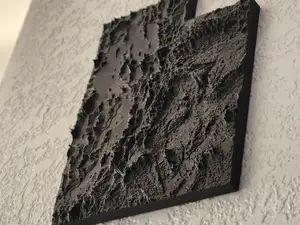


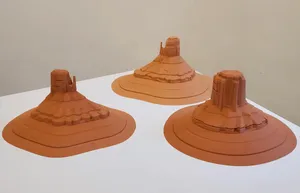



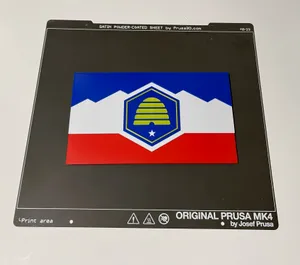
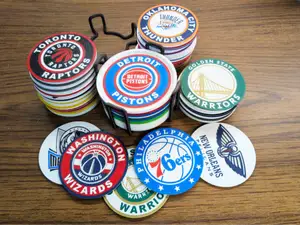


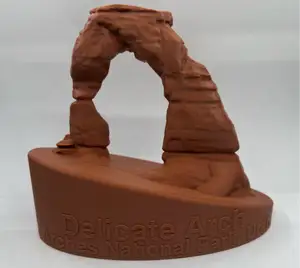


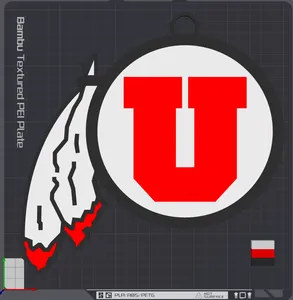
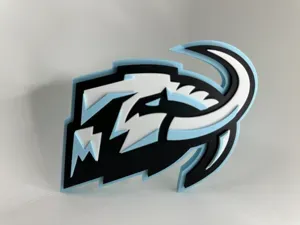
The teapot group is the largest and the most varied. Some versions are solid single-piece shapes, others split the body and lid so the lid can be printed separately, and some are scaled down into ornaments or teacups. Maps and terrain models form a second group: state outlines, river overlays and park formations such as arches. A third group covers campus and religious subjects, where letter blocks, wreaths and building models are common.
When choosing a model, open the author's page and read the listed dimensions before anything else. Check how many parts are in the file, whether the lid or base is separate, and whether the author reports that supports are needed. For terrain and map models, look at the base thickness and the vertical scale, since a thin base can warp on a large print. For teapot shapes, the wall thickness and the spout opening decide how the object behaves as a print rather than as a picture.
Settings and material notes from the author are worth reading, along with photos of actual prints, because they show layer lines, seams and how the model was oriented on the bed. If you want more results, try related terms: state outline, topographic relief, national park terrain, campus ornament, teacup, or the names of individual parks and cities. Combining a place name with a model type usually narrows the list faster than browsing the whole topic.



El catálogo completo de temáticas, del hogar al CNC, con búsqueda en todas las plataformas conectadas.