
Gratuit 
#3DBenchy - The jolly 3D printing torture-test by CreativeTools.se
Thingiverse
This collection gathers 3D printing projects where a name, a word or a label is the main subject: signs, lettering, test pieces and small mechanical figures. It is useful when you want a model that carries text or motion rather than a plain decorative shape. Each entry links to the author's page, where the STL files and print notes are listed. Polyzon does not confirm whether models are free, their price, license, official status, affiliation, safety or fitness. Check the current terms at the source.
Le texte de cette collection est rédigé en anglais ; la recherche, elle, fonctionne dans toutes les langues.
 Une collection Polyzon · 48 modèles sur 4 plateformes
Polyzon compose cette collection à partir des résultats de recherche des plateformes connectées. Les doublons et les modèles sans aperçu sont retirés, les correspondances faibles sont placées à la fin, et le reste suit l’ordre de la recherche. Les modèles appartiennent à leurs auteurs : consultez les conditions sur la page de chaque modèle.
Règles de sélection : la rédaction de Polyzon · Texte mis à jour le 15/10/2026




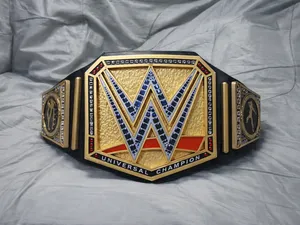


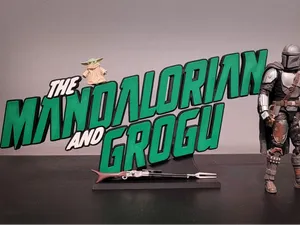


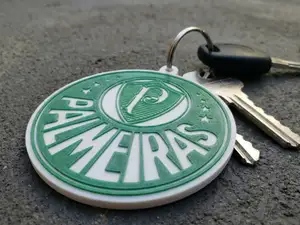


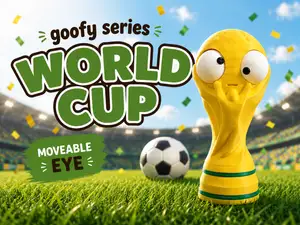


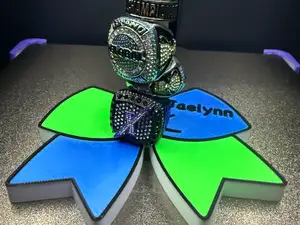





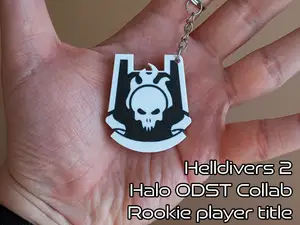


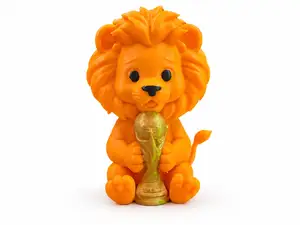


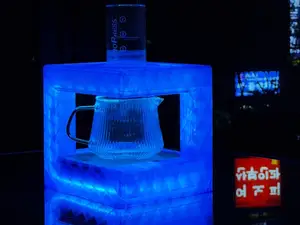


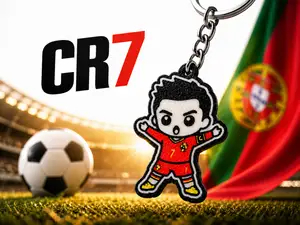





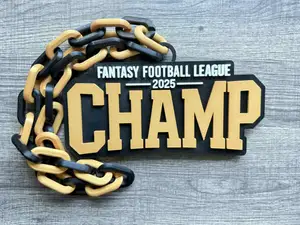


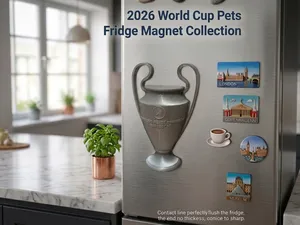

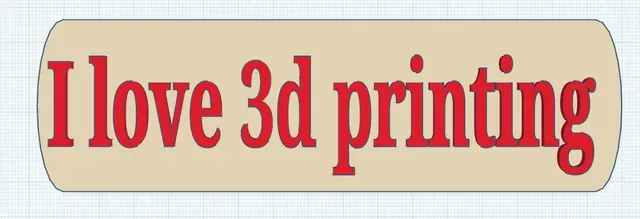
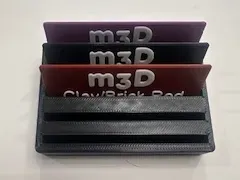
Several kinds of models appear here. Lettering and sign projects cover standalone words, bordered titles and character-based nameplates, often split into parts so a large sign fits a smaller build volume. Calibration and test pieces use text or geometry to show how a 3D printer handles overhangs, small gaps and surface detail. Automata and figures with movable eyes or joints add a mechanical layer, and reference displays turn terminology or sample patterns into flat, readable tiles.
When choosing a model, open the author's page and read the listed size and scale, the number of separate parts, and whether supports are needed. Check the material and settings the author names, since thin letters, tall borders and small pivots behave differently in different filaments. Photos of real prints are the most useful signal for how the finished piece looks, especially for text edges and moving joints.
To narrow the results, search by what the model does rather than by a single word: nameplate, lettering, sign, desk sign, calibration, tolerance test, automaton, crank figure, terminology chart. Related terms such as display stand, keychain, sample pack or modular sign often surface the same kind of files. Combining a subject with a print property, for example lettering with multi-part or automata with joints, keeps the list short.



Le catalogue complet des thèmes, de la maison à la CNC, avec une recherche sur tous les sites connectés.