Gratuit 
3L Pot Fluxring Cover
Thingiverse
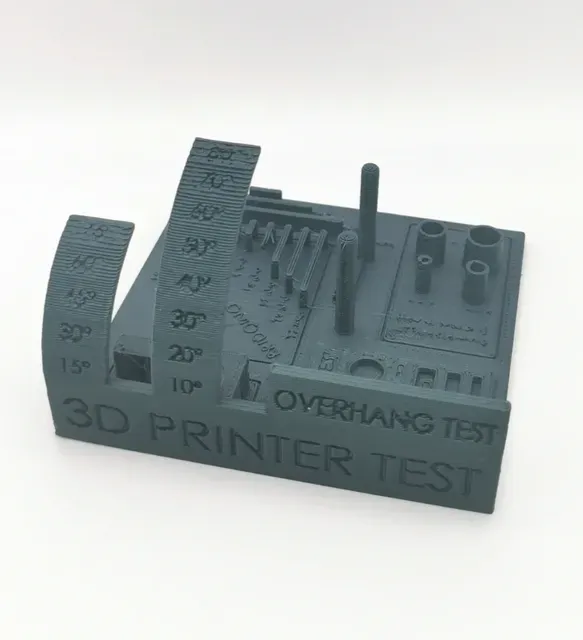
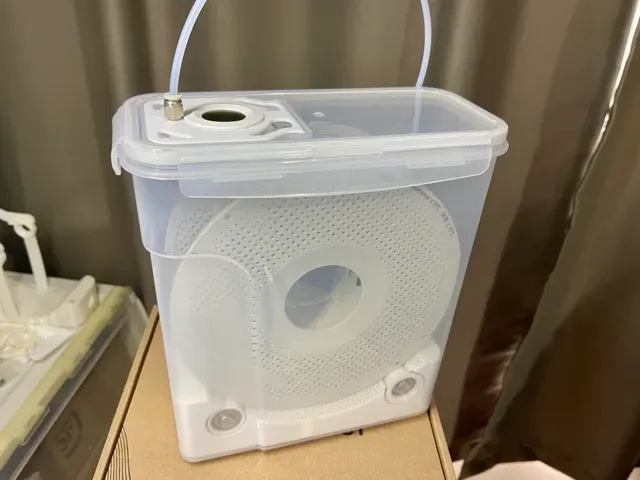
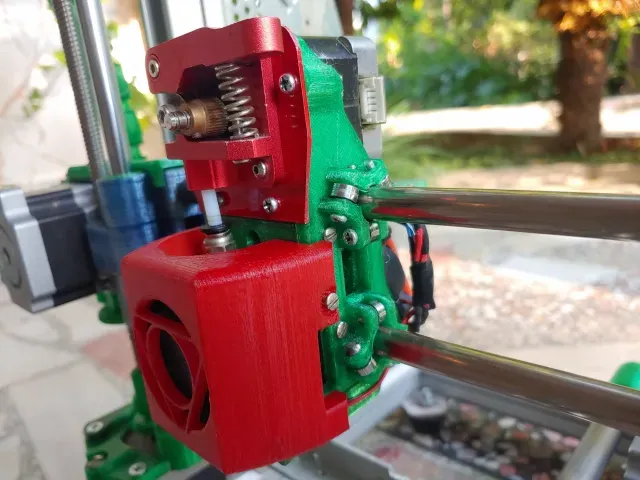
This collection brings together 3D models that revolve around 3D printing itself: calibration and stress tests, enclosures, mechanical upgrades, miniature parts and a few toys. It is useful when you want to check how a 3D printer behaves or give it something practical to produce. Every entry leads to the author's own model page, where the details are listed. Polyzon does not confirm whether models are free, their price, license, official status, affiliation, safety or fitness. Check the current terms at the source.
Le texte de cette collection est rédigé en anglais ; la recherche, elle, fonctionne dans toutes les langues.
 Une collection Polyzon · 48 modèles sur 4 plateformes
Polyzon compose cette collection à partir des résultats de recherche des plateformes connectées. Les doublons et les modèles sans aperçu sont retirés, les correspondances faibles sont placées à la fin, et le reste suit l’ordre de la recherche. Les modèles appartiennent à leurs auteurs : consultez les conditions sur la page de chaque modèle.
Règles de sélection : la rédaction de Polyzon · Texte mis à jour le 15/10/2026
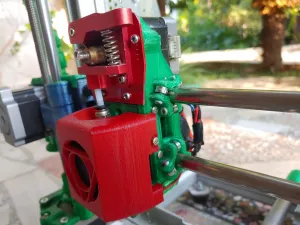


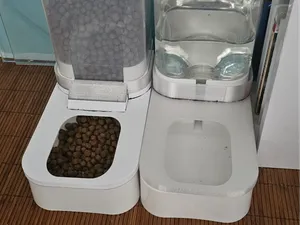
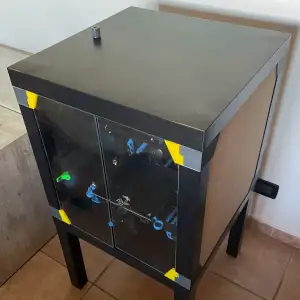

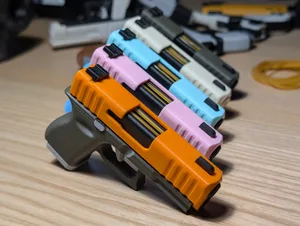
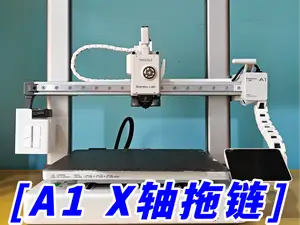
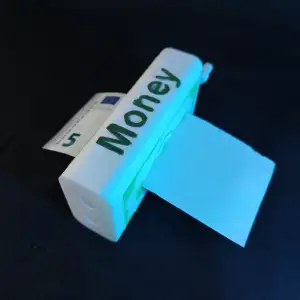

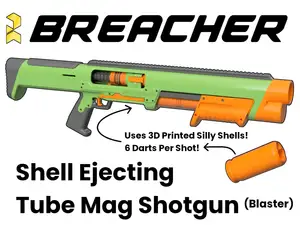
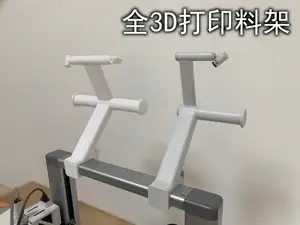
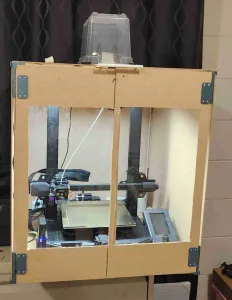

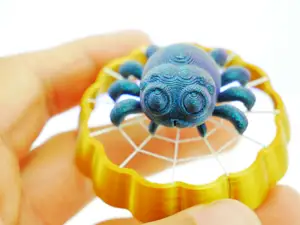
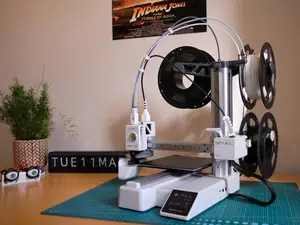
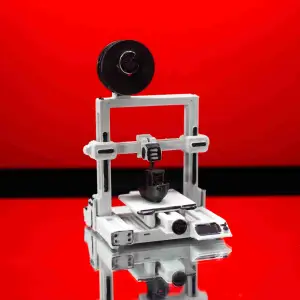


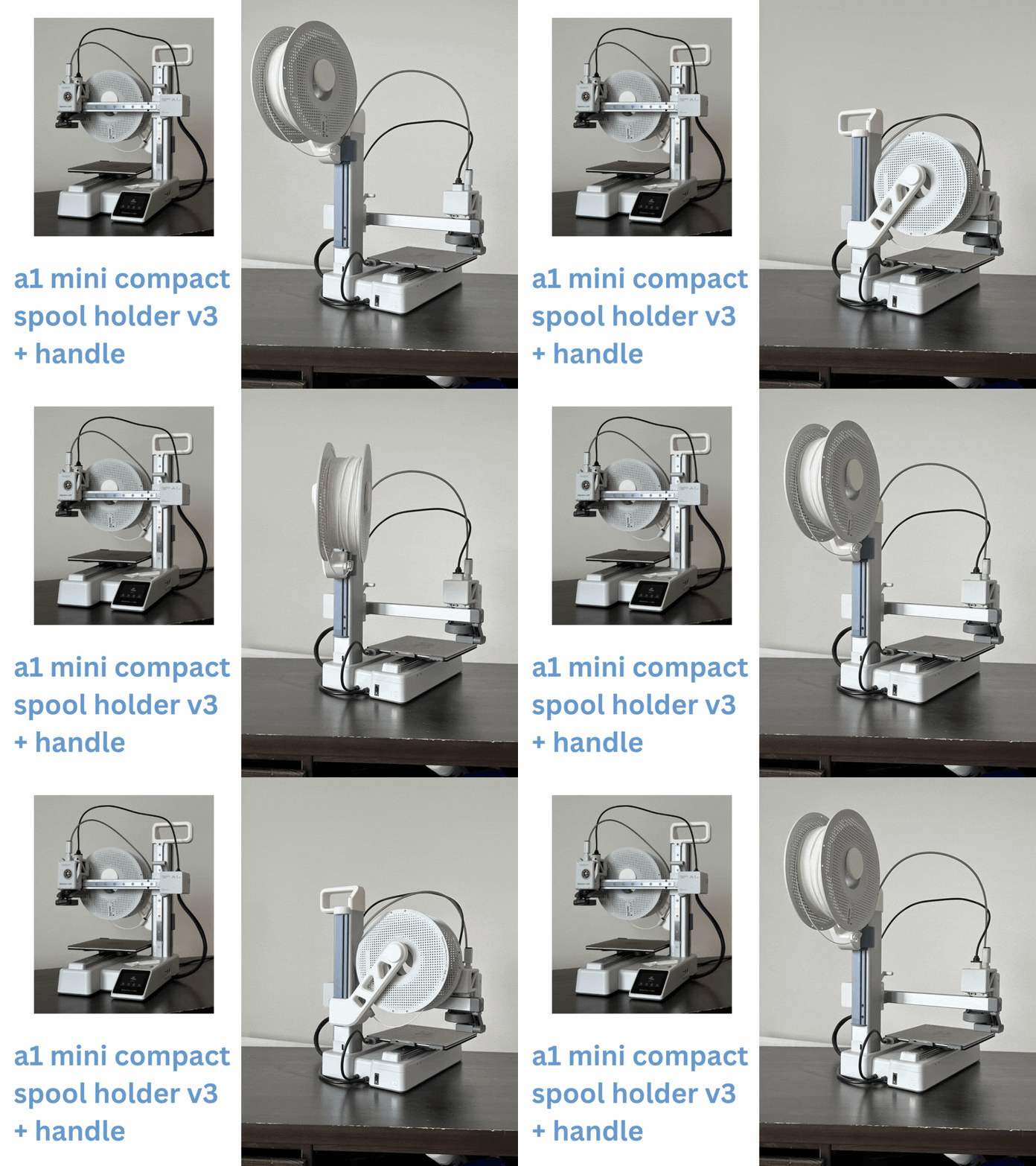
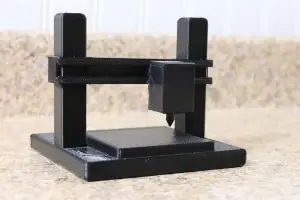


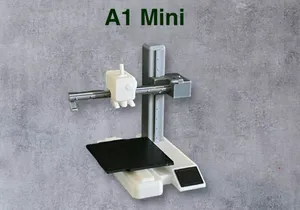
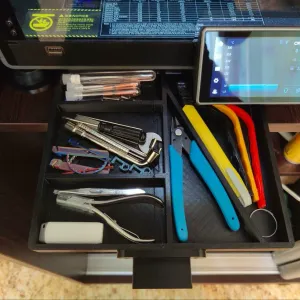

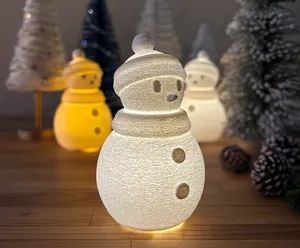
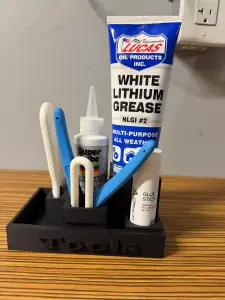

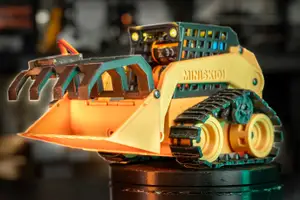
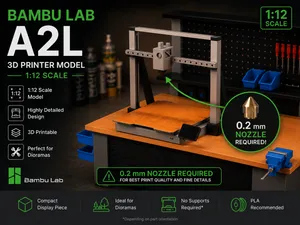
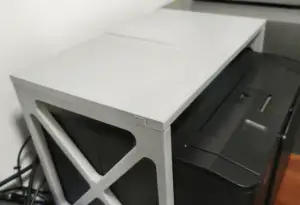


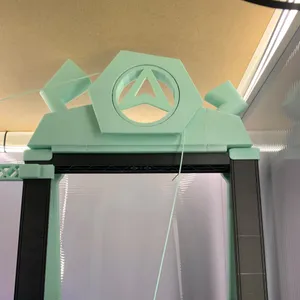


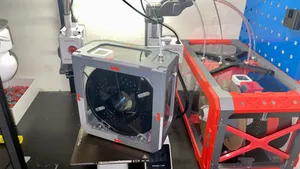
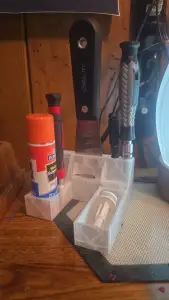

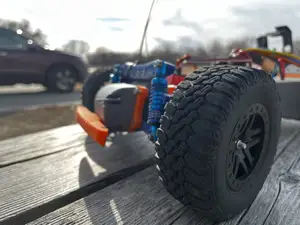
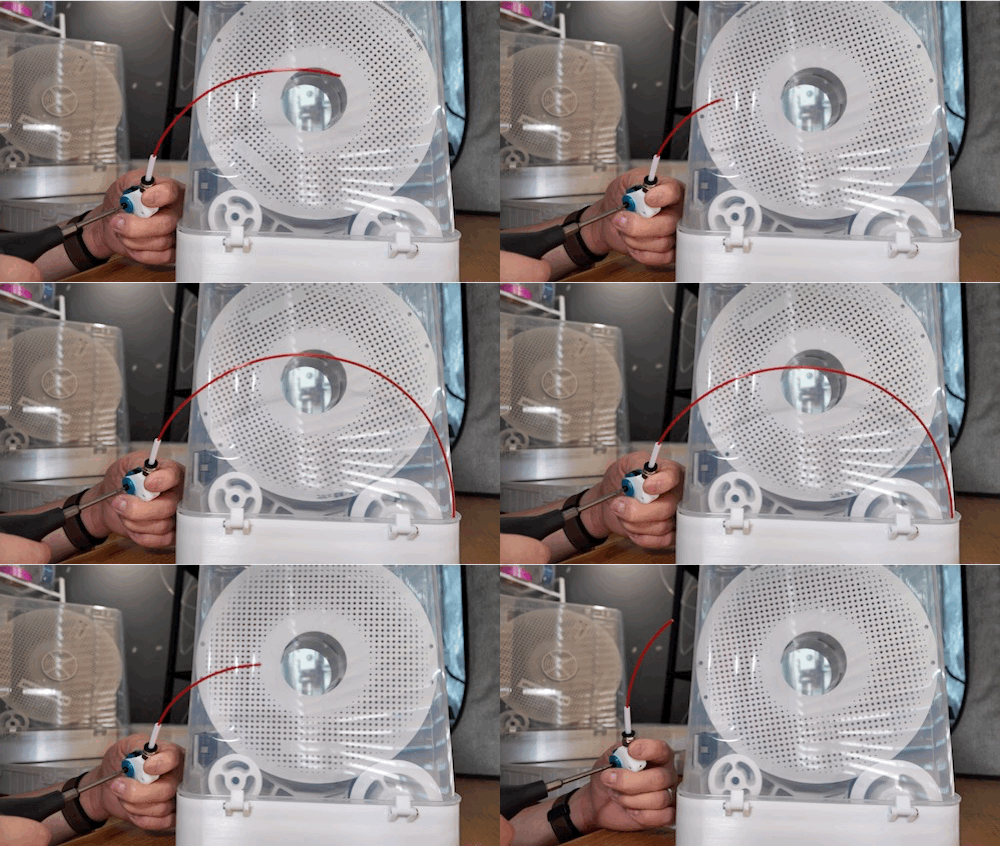
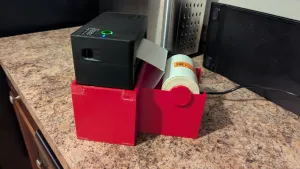
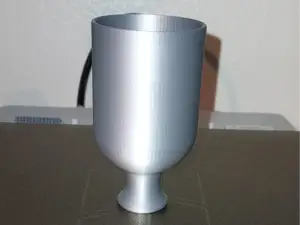
The files fall into a few groups. Test and calibration pieces are flat or compact shapes meant to be printed and measured. Enclosures and add-ons are larger assemblies, often built from several printed connectors plus panels or frames. Upgrades and spare parts are mechanical: slides, chains, spool holders and feeders. Miniature and toy models sit at the other end, where scale and moving joints matter more than fit on a machine.
When you open a model page, start with size and scale, since a part drawn for one machine may not match yours. Check how many pieces the build contains and whether they are meant to be glued, screwed or snapped together. Look at whether the author calls for supports, and at the material and settings they list. Photos of real prints show how the finished part actually looks, including surface finish and tolerances.
Search results widen quickly if you try related wording. Test prints also appear as calibration cubes, tolerance tests or bed level checks. Enclosure searches lead to panels, frames, filters and cable routing. For hardware, try spool holder, filament guide, belt tensioner or hotend mount. Miniature and toy searches work better with scale terms, print-in-place or articulated, and the type of object you have in mind.



Le catalogue complet des thèmes, de la maison à la CNC, avec une recherche sur tous les sites connectés.