
Gratuit 
African Mask
Thingiverse
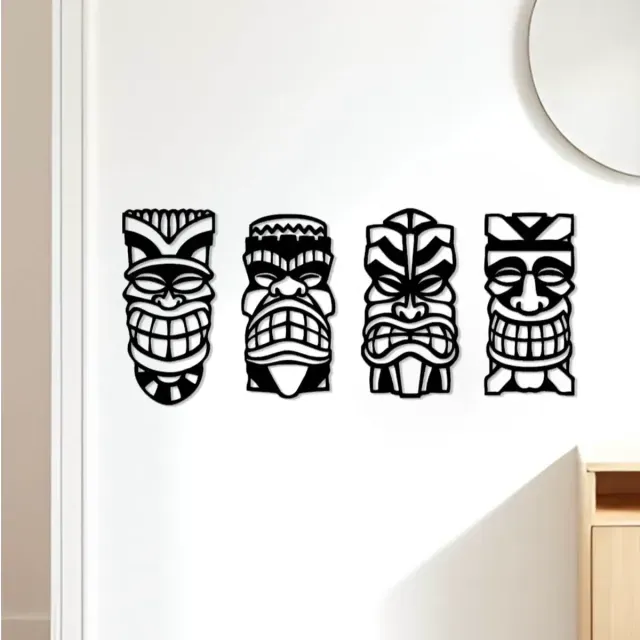
This collection gathers African mask models made for 3D printing, from ceremonial tribal faces to wall-mounted decor and carnival pieces. Most files are static display objects, so the choice comes down to size, mounting and how the surface is meant to read on a shelf or wall. It is useful if you want an STL that fits a 3D printer bed without splitting the design into many parts. Polyzon does not confirm whether models are free, their price, license, official status, affiliation, safety or fitness. Check the current terms at the source.
Le texte de cette collection est rédigé en anglais ; la recherche, elle, fonctionne dans toutes les langues.
 Une collection Polyzon · 47 modèles sur 4 plateformes
Polyzon compose cette collection à partir des résultats de recherche des plateformes connectées. Les doublons et les modèles sans aperçu sont retirés, les correspondances faibles sont placées à la fin, et le reste suit l’ordre de la recherche. Les modèles appartiennent à leurs auteurs : consultez les conditions sur la page de chaque modèle.
Règles de sélection : la rédaction de Polyzon · Texte mis à jour le 12/10/2026

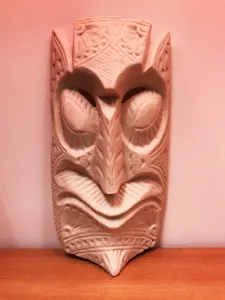


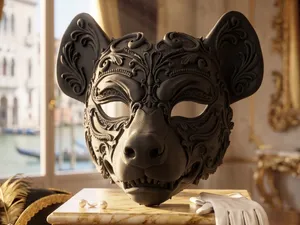
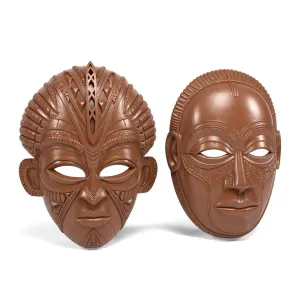


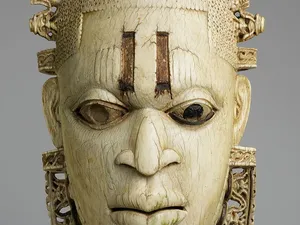
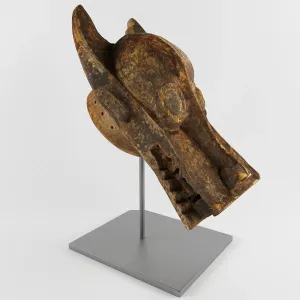

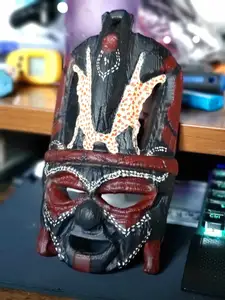
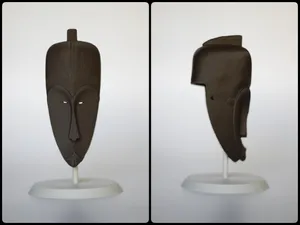
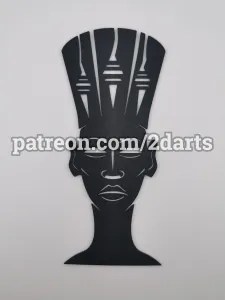

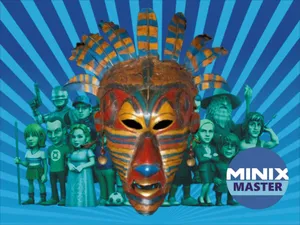
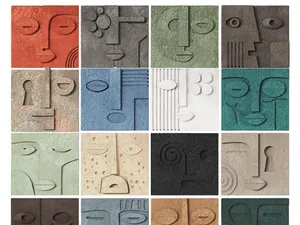
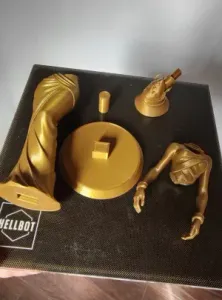


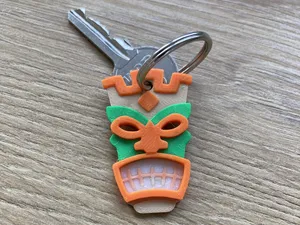
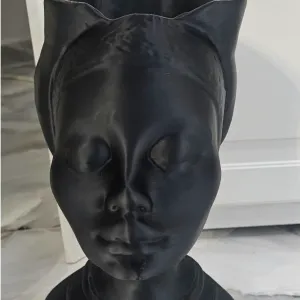

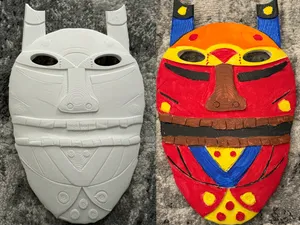
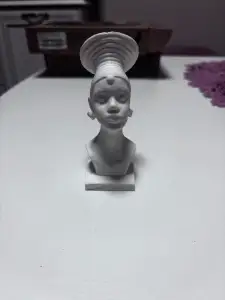

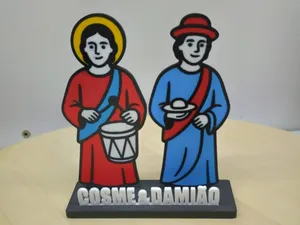
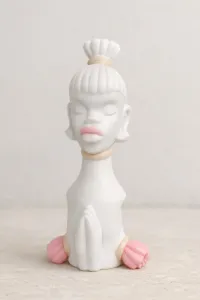

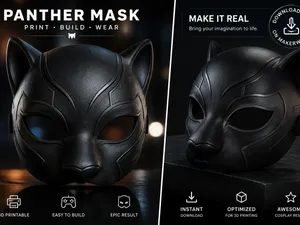
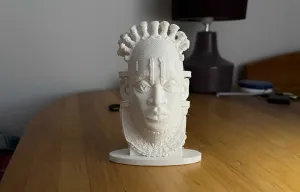


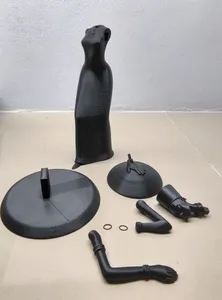

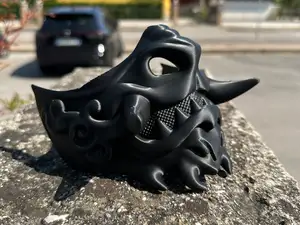
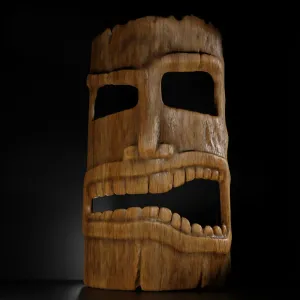


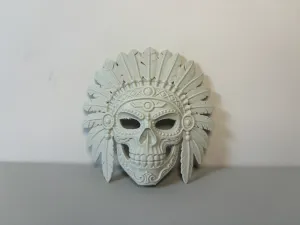

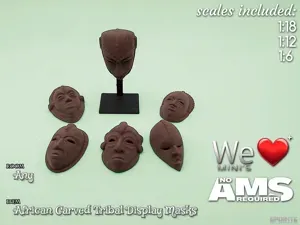
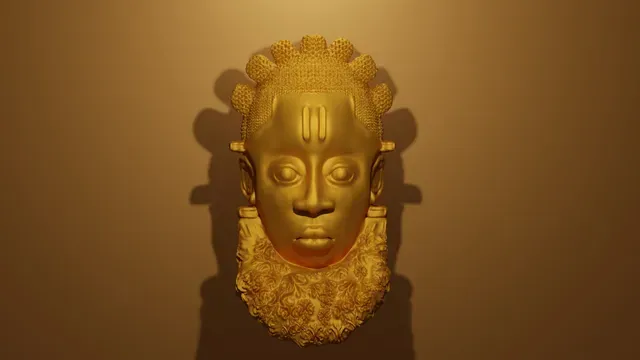
The models fall into a few recognizable groups. Ceremonial masks tend to have elongated faces, carved-looking planes and headdress or hair elements, while wall decor versions are flattened at the back and often grouped into sets. Carnival and festival masks lean toward brighter, rounder shapes, and bust or figurine versions extend the mask into a head-and-shoulders form. Museum-inspired pieces copy the proportions of an exhibit object, which usually means a thinner shell and more detail per centimeter.
Before printing, look at the author's page for wall thickness, whether the model is hollow or solid, and how many parts it has. Check if a mounting hole, loop or flat back is included, since a mask meant for a wall behaves differently from one meant to stand. Overhangs around the chin, nose and headdress decide whether supports are needed, and the listed material and layer height tell you how much surface detail will survive. Photos of real prints are the quickest way to judge how the eyes, lips and texture come out.
Scaling is the main variable: a small mask works as a shelf object, a larger one as wall decor, and both may need different infill and wall counts. If the reference you found is close but not exact, search synonyms such as tribal mask, Ngil, masquerade, wall art, bust or figurine. Related topics are worth trying too: African art, museum replica, home decor and carnival headwear often surface models that the main term misses.






Le catalogue complet des thèmes, de la maison à la CNC, avec une recherche sur tous les sites connectés.