
€ 1.28 
Air conditioner 1:12 Air conditioner AC
Cults3D
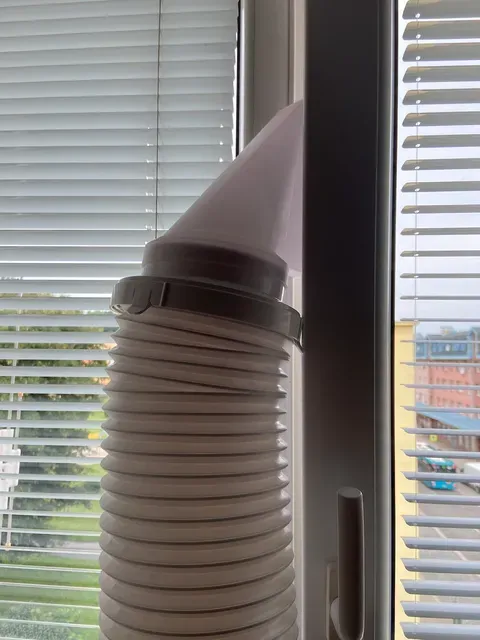
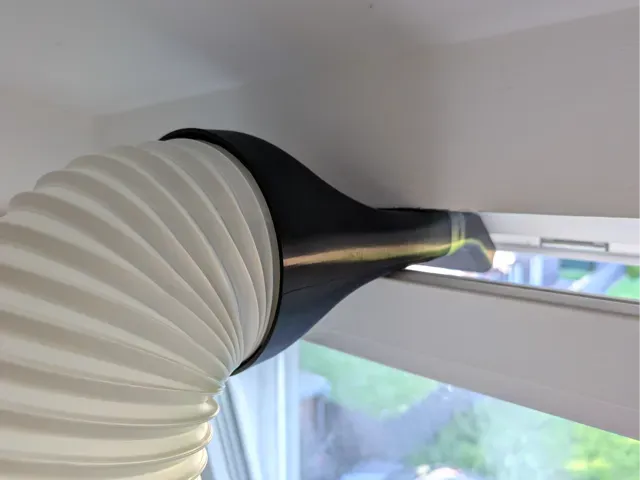
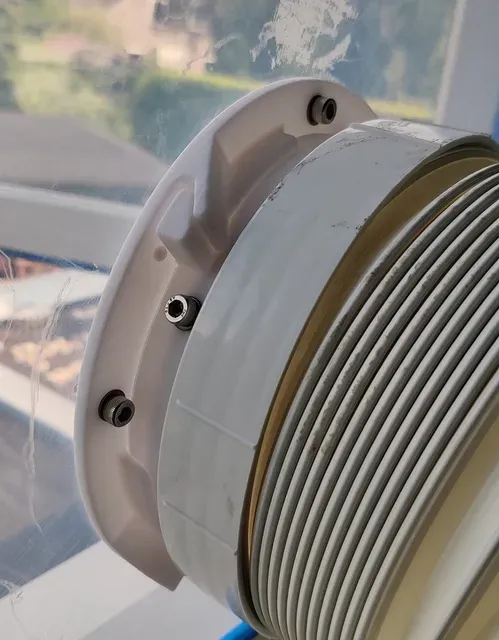
The collection covers STL files linked to air conditioners: hose and duct adapters, window vent outlets, miniature units for dioramas, and small personal coolers. It helps when a part of a real unit is missing or when you need a scaled air conditioner for a model scene. Most of these files are made for a desktop 3D printer and use common filaments. Polyzon does not confirm whether models are free, their price, license, official status, affiliation, safety or fitness. Check the current terms at the source.
Le texte de cette collection est rédigé en anglais ; la recherche, elle, fonctionne dans toutes les langues.
 Une collection Polyzon · 47 modèles sur 4 plateformes
Polyzon compose cette collection à partir des résultats de recherche des plateformes connectées. Les doublons et les modèles sans aperçu sont retirés, les correspondances faibles sont placées à la fin, et le reste suit l’ordre de la recherche. Les modèles appartiennent à leurs auteurs : consultez les conditions sur la page de chaque modèle.
Règles de sélection : la rédaction de Polyzon · Texte mis à jour le 14/10/2026




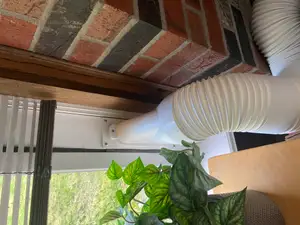
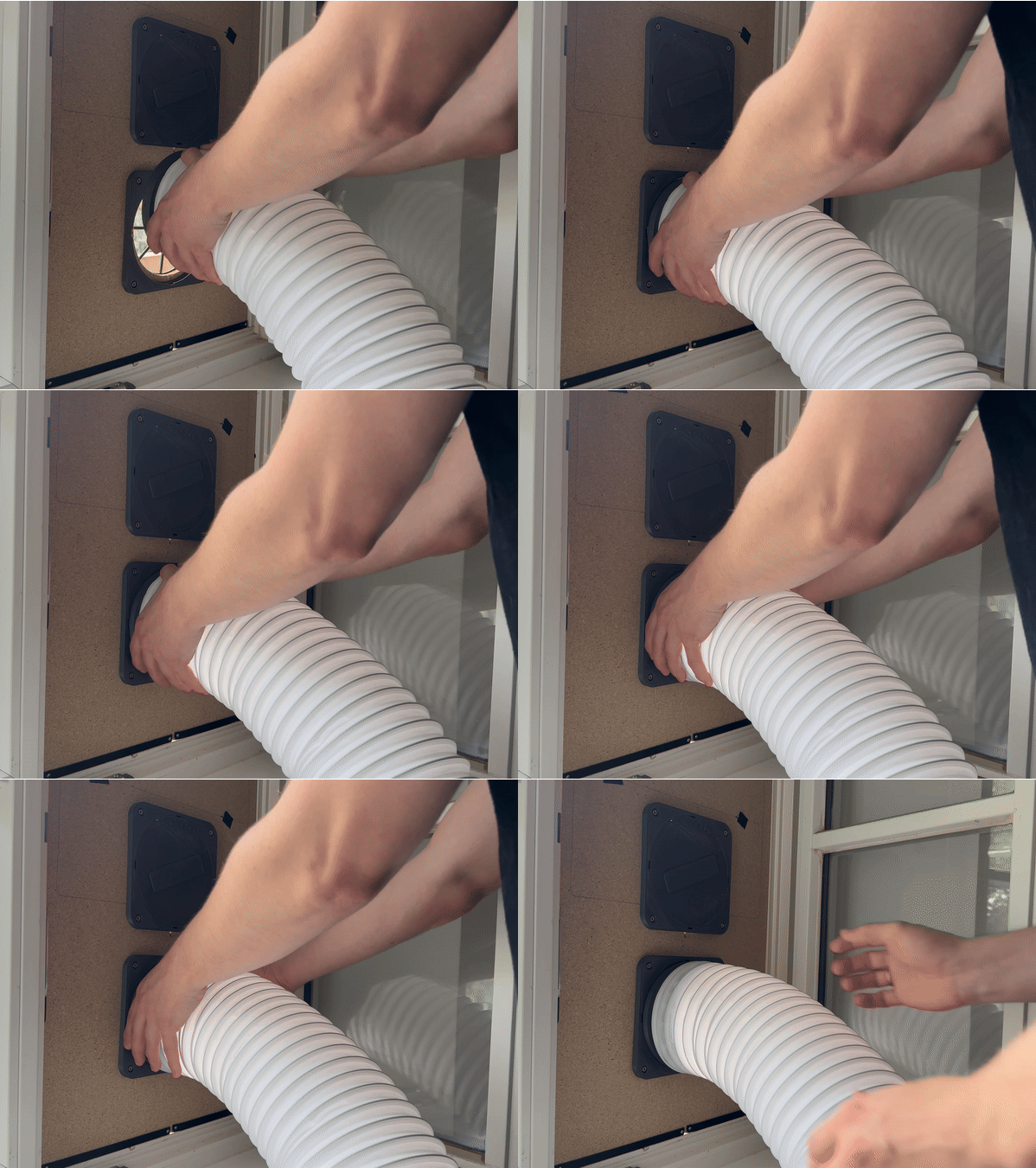


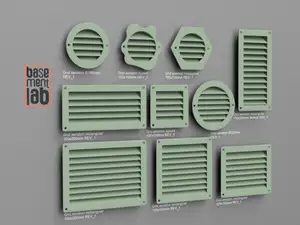


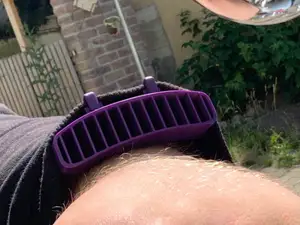





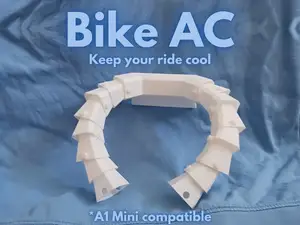


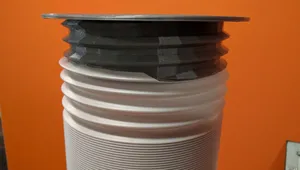
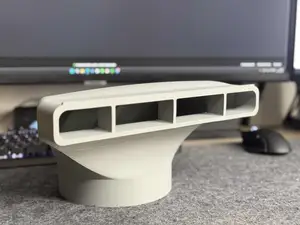


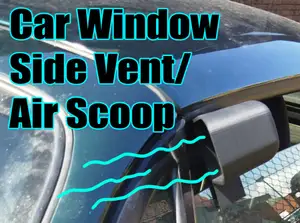


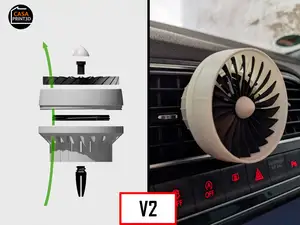


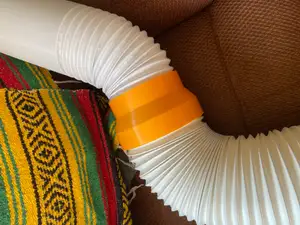


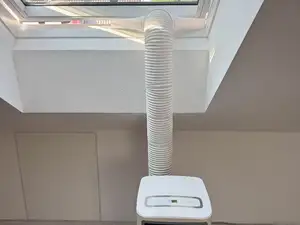
The files fall into a few groups that differ in purpose. Adapters and flanges connect a flexible hose to a unit, a window panel or a wall opening, and they are usually modelled around a stated diameter. Vent outlets and grilles replace or extend an existing opening. Miniature air conditioners are scaled props for dioramas, car scenes and figure setups, often split into several parts. A separate group covers small coolers worn or placed close to the body, plus holders and covers for specific units.
Before printing, open the author's model page and read what is listed there. Check the hose or opening diameter in millimetres or inches, the wall thickness, the number of separate parts and how they join, and whether the author used supports. Look at the material and settings the author reports, and at photos of real prints, since a thin flange or a snap fit behaves differently depending on the filament and layer orientation. For scale models, confirm the stated scale and measure the space where the part will sit.
If the first search gives few results, try other terms for the same object: duct adapter, hose connector, flange, vent outlet, exhaust kit, or the local word for the appliance. For scale work, search by scale and setting, such as 1:12, 1:18 or diorama, and add words like miniature or prop. Related topics worth checking are ventilation grilles, window inserts, hose clamps and general home appliance parts, which often include pieces that fit the same openings.



Le catalogue complet des thèmes, de la maison à la CNC, avec une recherche sur tous les sites connectés.