
Gratuit 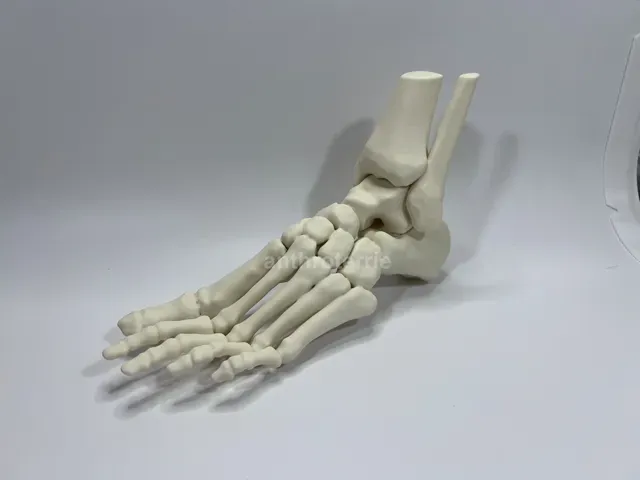
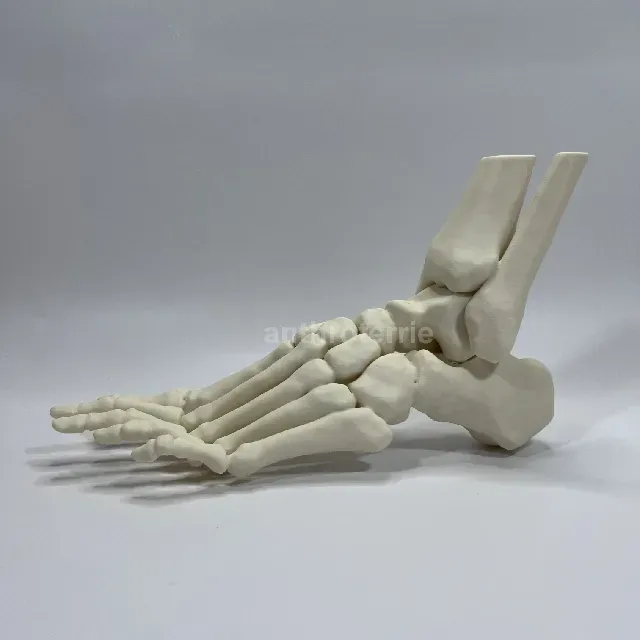
Left Foot Bones Anatomical Model
MakerWorld
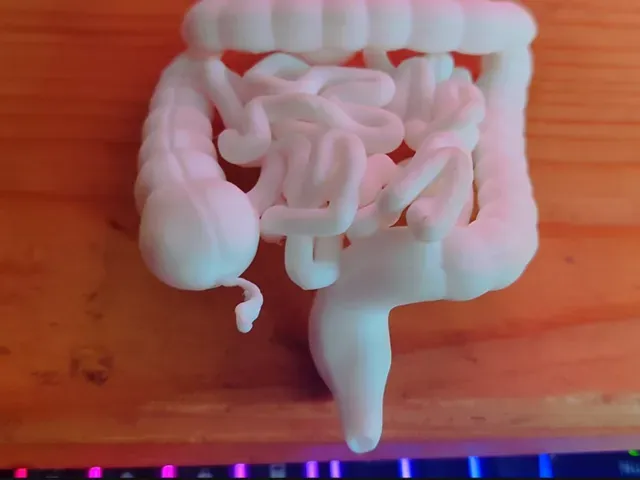
This collection gathers anatomical STL files for 3D printing: internal organs, bones, joints, ear structures and animal anatomy. Most of them are made for study, teaching or reference, so the useful part is often how clearly a file separates one structure from another. The list is broad, and the range of detail varies a lot from one upload to the next. Polyzon does not confirm whether models are free, their price, license, official status, affiliation, safety or fitness. Check the current terms at the source.
Le texte de cette collection est rédigé en anglais ; la recherche, elle, fonctionne dans toutes les langues.
 Une collection Polyzon · 47 modèles sur 9 plateformes
Polyzon compose cette collection à partir des résultats de recherche des plateformes connectées. Les doublons et les modèles sans aperçu sont retirés, les correspondances faibles sont placées à la fin, et le reste suit l’ordre de la recherche. Les modèles appartiennent à leurs auteurs : consultez les conditions sur la page de chaque modèle.
Règles de sélection : la rédaction de Polyzon · Texte mis à jour le 13/10/2026

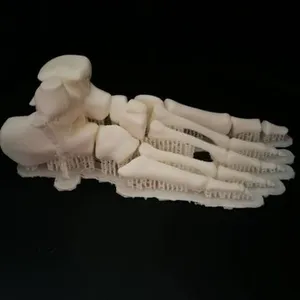
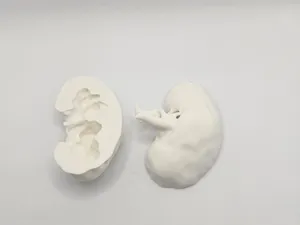
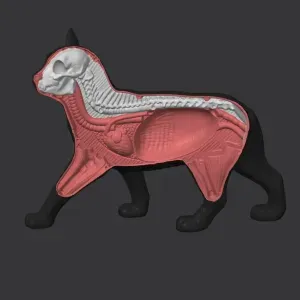
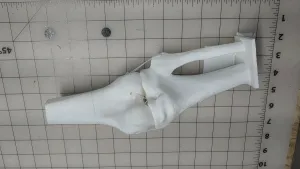
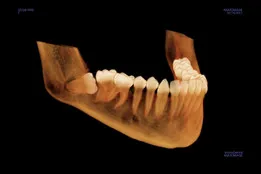

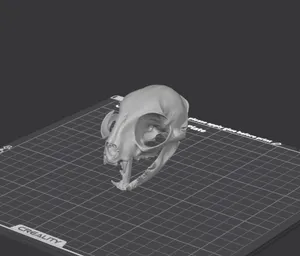


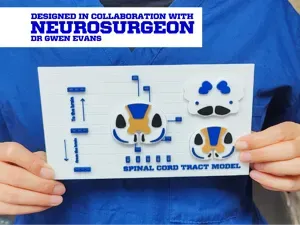


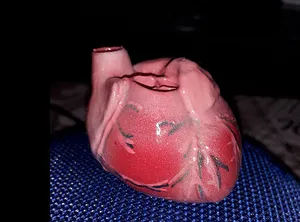

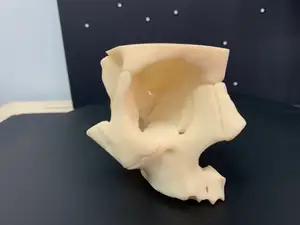

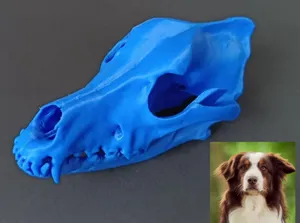


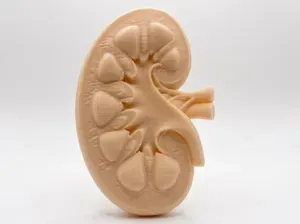



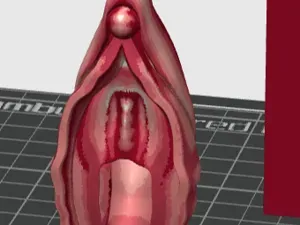


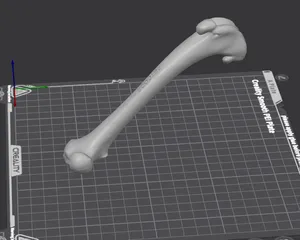

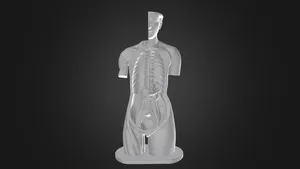


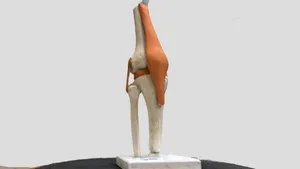

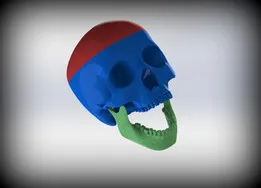
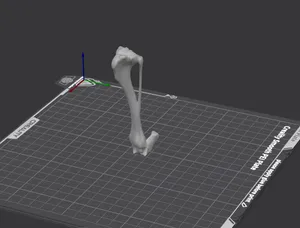
The models differ mainly in what they show and how they are built. Some files reproduce a single organ or bone, while others cover a region such as the pelvis, the knee or the spine and split it into several pieces. Teaching-oriented files often label or colour-code parts, and a few are derived from scan data, which affects surface detail and how the model is oriented in the slicer.
When you open a model page, look at the scale the author gives, since some files are sized for a real 1:1 print and others are scaled down for a desk. Check how many parts the model has and whether they are meant to be assembled, glued or printed as one piece. Read the listed material and layer settings, and look at photos of actual prints to judge wall thickness, thin features and whether supports are needed.
If a search returns too little, try related terms: a specific structure instead of the general word, the Latin name of a bone or organ, or words such as dissection, cross-section, scan or écorché. Animal anatomy, medical study and biology teaching are separate directions that lead to different files. Combining a body region with a purpose, for example a joint for demonstration or a skull for classroom use, usually narrows the results faster than a single broad query.


Le catalogue complet des thèmes, de la maison à la CNC, avec une recherche sur tous les sites connectés.