Gratuit 
Simple Jars
Thingiverse
This collection gathers 3D models of jars and jar-like containers: storage boxes with screw or sliding lids, parametric canisters you resize yourself, spice holders and small accessories such as jar openers. Most of them are simple shapes that a desktop 3D printer can handle in one piece, which makes the topic a practical starting point for organizing small parts at home or in a workshop. Polyzon does not confirm whether models are free, their price, license, official status, affiliation, safety or fitness. Check the current terms at the source.
Le texte de cette collection est rédigé en anglais ; la recherche, elle, fonctionne dans toutes les langues.
 Une collection Polyzon · 47 modèles sur 5 plateformes
Polyzon compose cette collection à partir des résultats de recherche des plateformes connectées. Les doublons et les modèles sans aperçu sont retirés, les correspondances faibles sont placées à la fin, et le reste suit l’ordre de la recherche. Les modèles appartiennent à leurs auteurs : consultez les conditions sur la page de chaque modèle.
Règles de sélection : la rédaction de Polyzon · Texte mis à jour le 13/10/2026
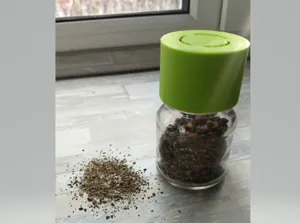
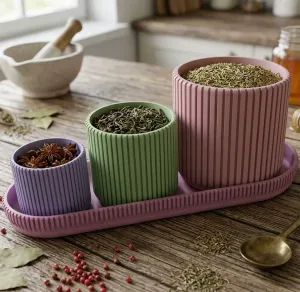


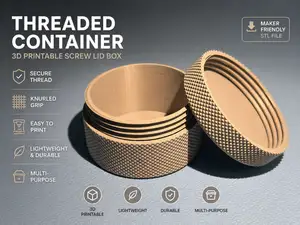
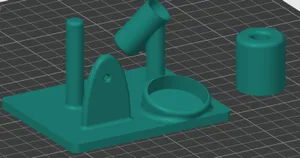
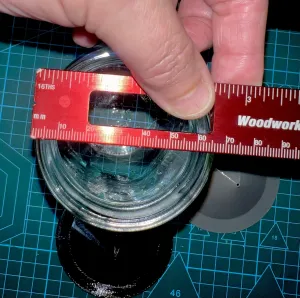

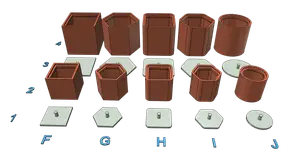
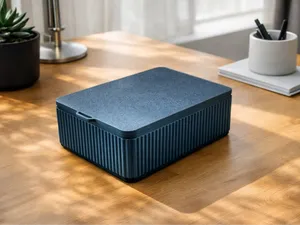
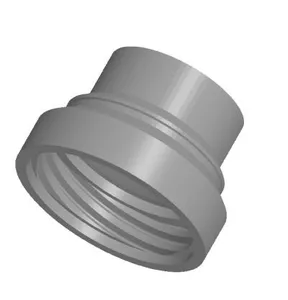
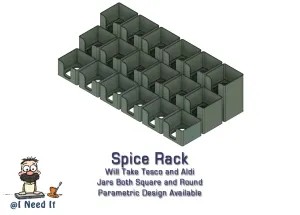

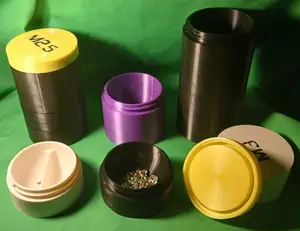
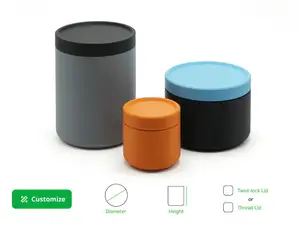
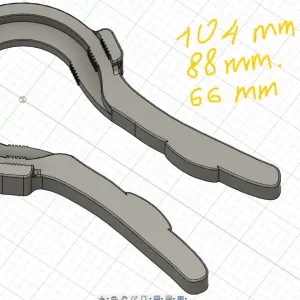
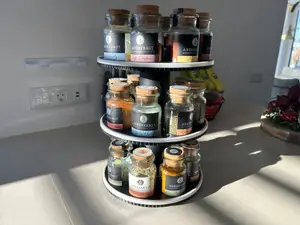
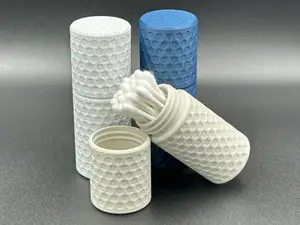
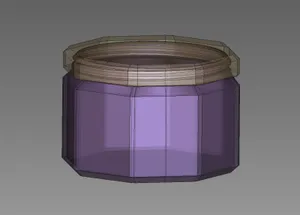
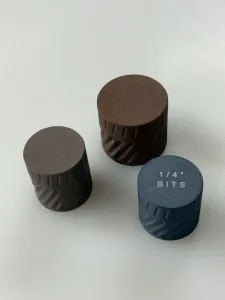

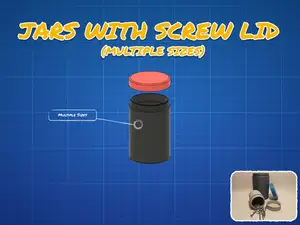
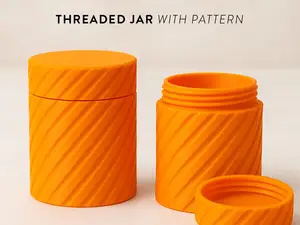
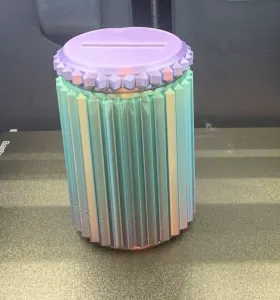

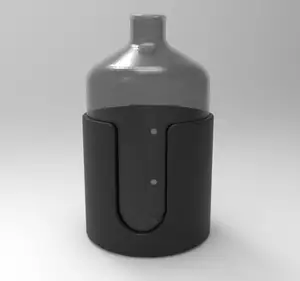
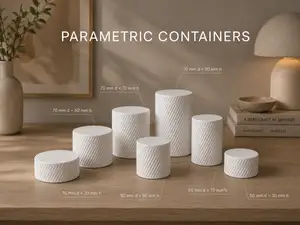
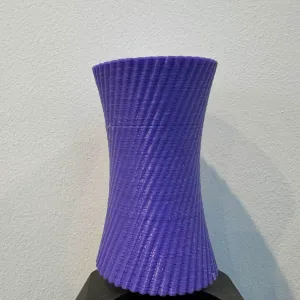

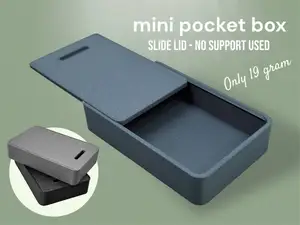
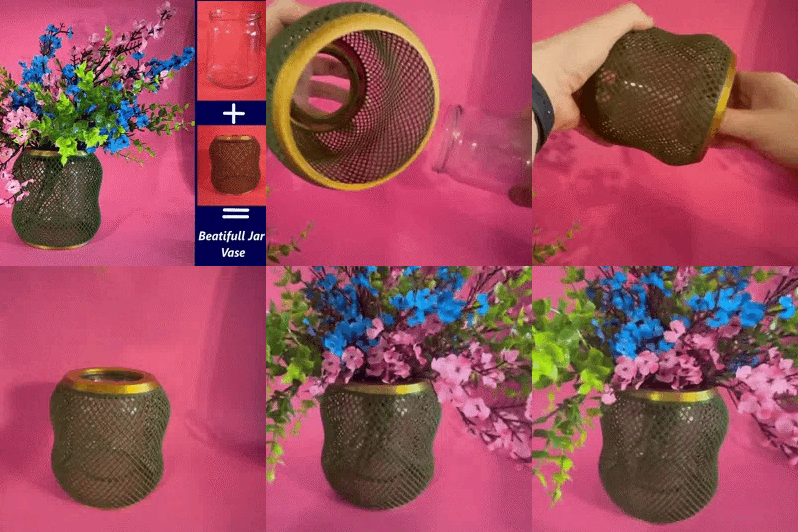

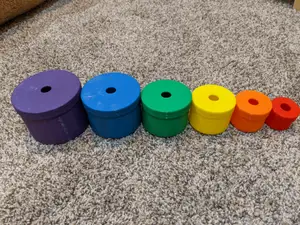
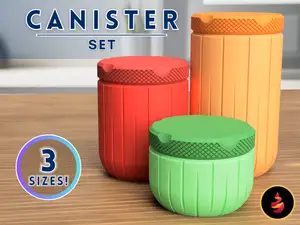


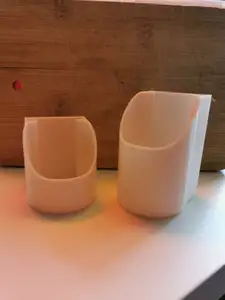
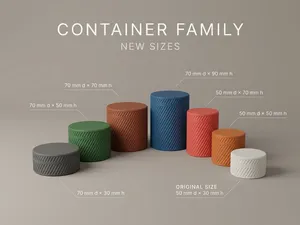
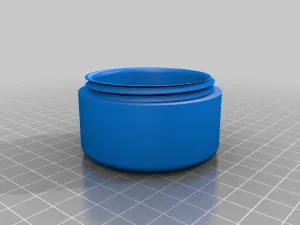


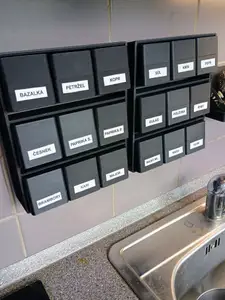
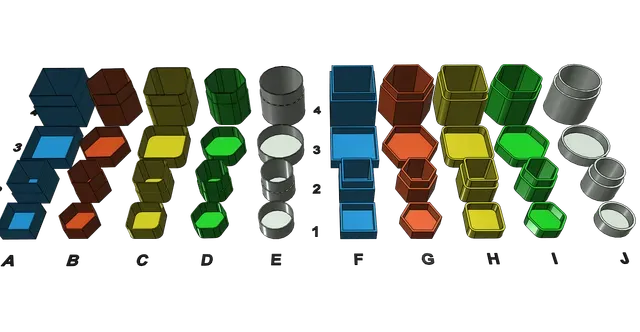
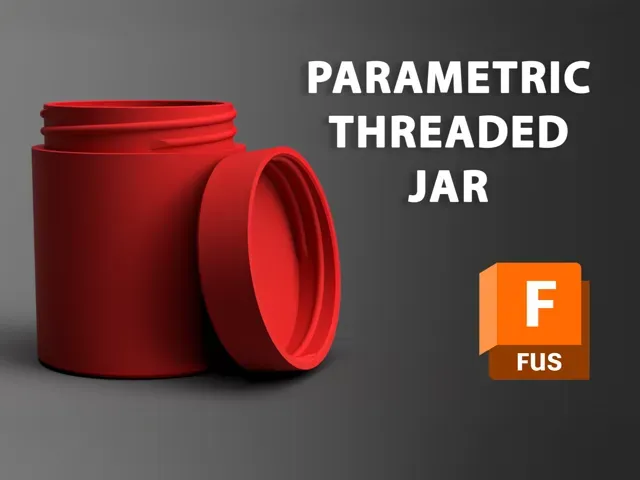
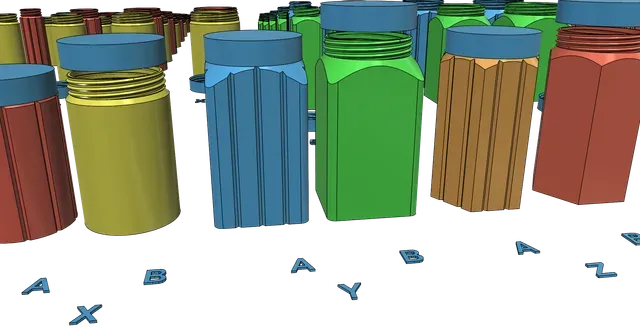
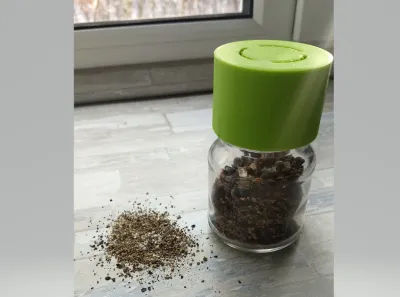
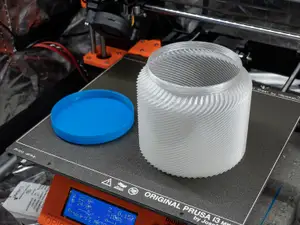
The models fall into a few groups. Storage jars and boxes usually come as a body plus a lid, sometimes threaded, sometimes sliding, and often stackable. Parametric versions let you set diameter, height or wall thickness before exporting. A separate group is built around spice jars: mills, racks and holders sized to a particular jar shape. Decorative jars and novelty shapes trade capacity for a more sculpted look, while openers and similar accessories are small parts printed on their own.
When choosing a model, open the author's page and read what is listed there: overall dimensions and scale, how many parts make up the assembly and how they join, whether the lid needs a separate print or a seal, and whether supports are required. Check the material and settings the author mentions, since thin walls and tall cylinders behave differently in different filaments. Photos of real prints are the most useful signal for judging wall thickness, thread fit and lid clearance.
If the results feel narrow, try related wording. Searches for canister, container, tin, box, capsule or storage box return overlapping designs, and terms like screw lid, sliding lid, stackable or threaded bring up different lid mechanisms. Adding a purpose helps too: spice, kitchen, workshop, bathroom, sample or pill. You can also search by the object the jar is meant to hold, or by the mechanism you want, such as a hinged lid or a press-fit cap.



Le catalogue complet des thèmes, de la maison à la CNC, avec une recherche sur tous les sites connectés.