Gratuit 
LiFePO4 20ah Mini-Battery Box
Thingiverse
This collection gathers 3D printing files built around 20Ah battery packs and the parts that go with them: enclosures, cell holders, terminal covers and mounting brackets. It is useful when you already have cells or a pack and need a housing or a mount that fits your setup. Most entries are parametric or sized for a specific cell format, so the dimensions on the model page matter more than the picture. Polyzon does not confirm whether models are free, their price, license, official status, affiliation, safety or fitness. Check the current terms at the source.
Le texte de cette collection est rédigé en anglais ; la recherche, elle, fonctionne dans toutes les langues.
 Une collection Polyzon · 47 modèles sur 4 plateformes
Polyzon compose cette collection à partir des résultats de recherche des plateformes connectées. Les doublons et les modèles sans aperçu sont retirés, les correspondances faibles sont placées à la fin, et le reste suit l’ordre de la recherche. Les modèles appartiennent à leurs auteurs : consultez les conditions sur la page de chaque modèle.
Règles de sélection : la rédaction de Polyzon · Texte mis à jour le 14/10/2026
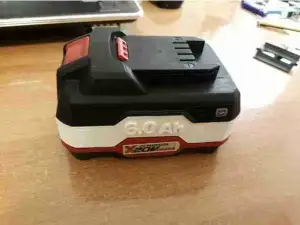


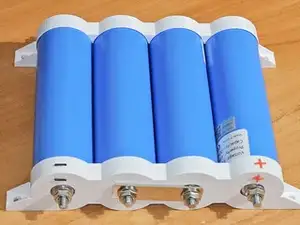
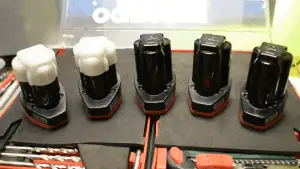

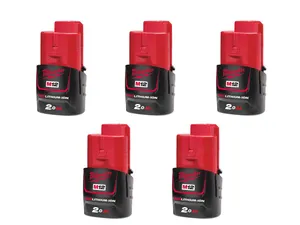
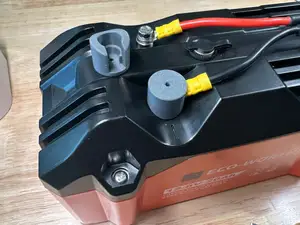
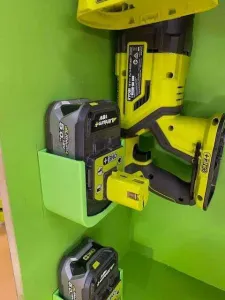


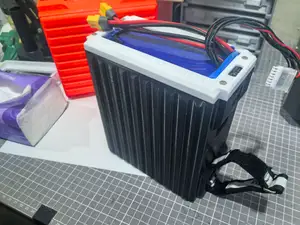
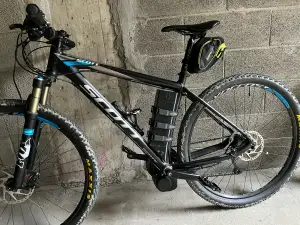

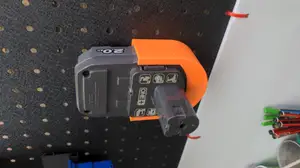
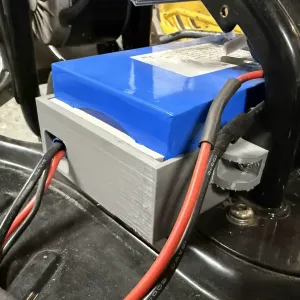


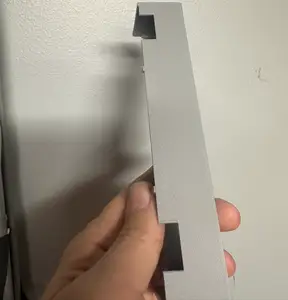
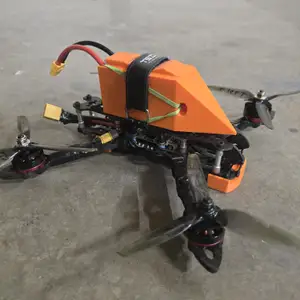


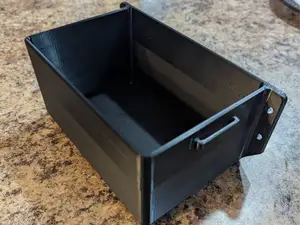
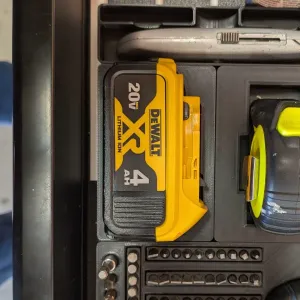

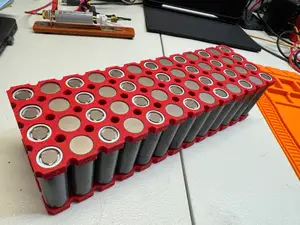
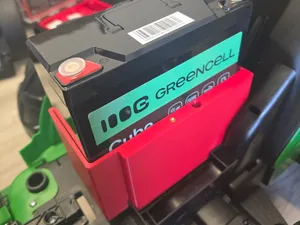
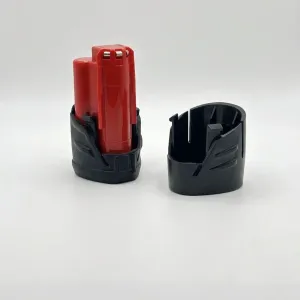

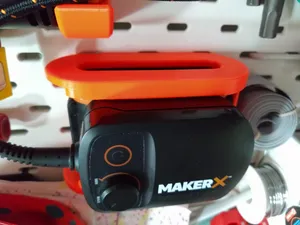
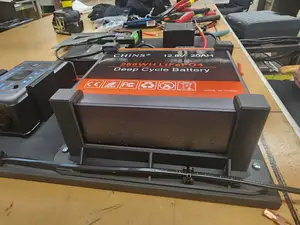
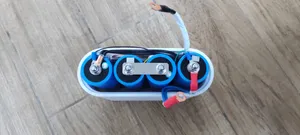


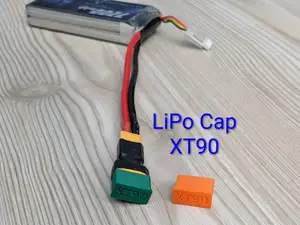
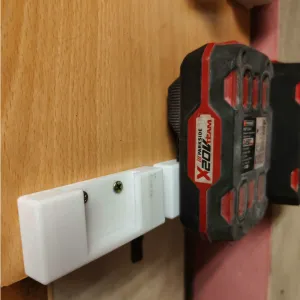


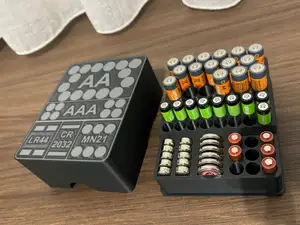
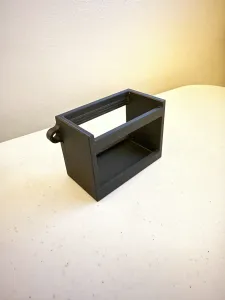

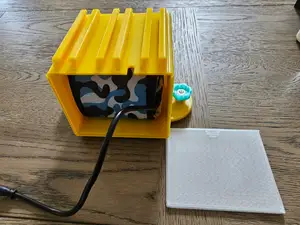
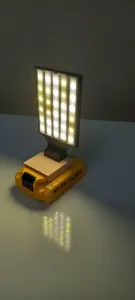
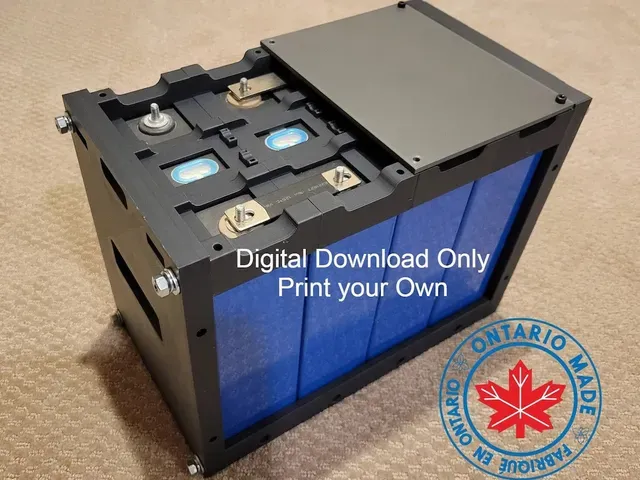
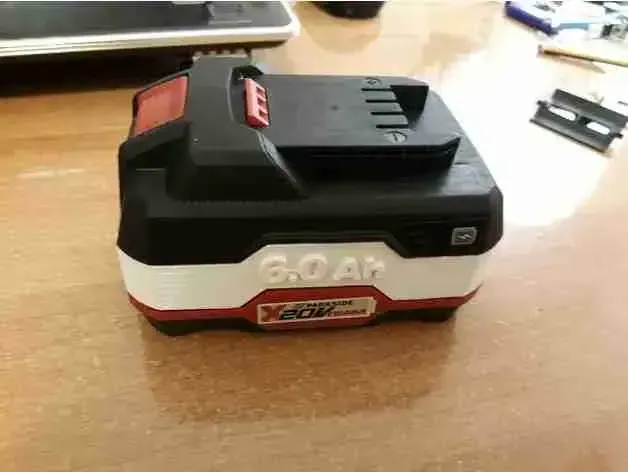
The files fall into a few groups. Enclosures and boxes house a full 20Ah pack, often LiFePO4, and range from minimal shells to multi-part cases with lids and cable openings. Holders and mounts are smaller: wall brackets, pegboard hooks and tray-style seats for power-tool batteries. A third group covers the details around the pack, such as terminal covers, cell brackets and trays that sit inside a vehicle or an e-bike frame.
When choosing a model, start with the cell or pack dimensions the author lists and compare them with your own hardware. Check how many parts the design has and how they join, whether screws, heat-set inserts or glue are involved, and whether the author notes supports or particular print orientation. Look at photos of finished prints to judge wall thickness, tolerances and how the lid or latch actually closes. Material and settings matter too: a box that sits near heat or carries load behaves differently in PLA than in PETG or ASA.
Search results improve when you describe the cell rather than the capacity alone. Terms such as prismatic cell holder, cylindrical cell bracket, LiFePO4 enclosure, battery terminal cover or pack spacer lead to different designs than a plain capacity query. Adding the pack voltage, the cell format or the device the battery belongs to narrows things further, and related topics like power station cases, battery spacers and fuse or connector cutouts often surface useful variants.


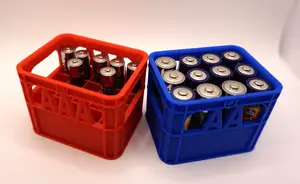

Le catalogue complet des thèmes, de la maison à la CNC, avec une recherche sur tous les sites connectés.