Gratuit 
Multi Color Kirby! [4 Colors]
Thingiverse
This collection gathers 3D models designed around four-color printing, from small calibration prints to figures, signs and games. It is useful when you want to test how your 3D printer handles several filaments in one job or plan a model where color carries part of the design. Polyzon does not confirm whether models are free, their price, license, official status, affiliation, safety or fitness. Check the current terms at the source.
Le texte de cette collection est rédigé en anglais ; la recherche, elle, fonctionne dans toutes les langues.
 Une collection Polyzon · 47 modèles sur 4 plateformes
Polyzon compose cette collection à partir des résultats de recherche des plateformes connectées. Les doublons et les modèles sans aperçu sont retirés, les correspondances faibles sont placées à la fin, et le reste suit l’ordre de la recherche. Les modèles appartiennent à leurs auteurs : consultez les conditions sur la page de chaque modèle.
Règles de sélection : la rédaction de Polyzon · Texte mis à jour le 13/10/2026
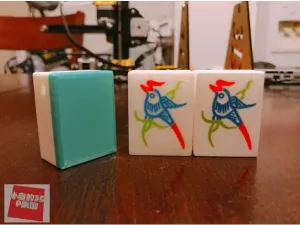


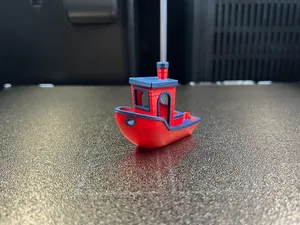
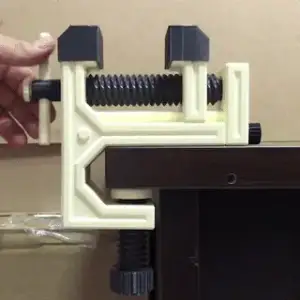


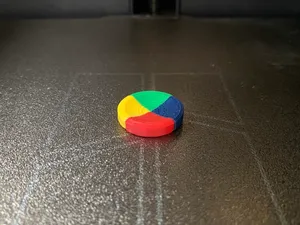
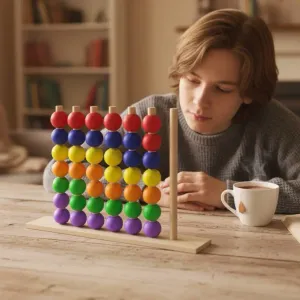


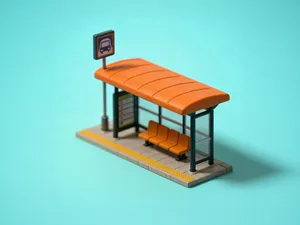
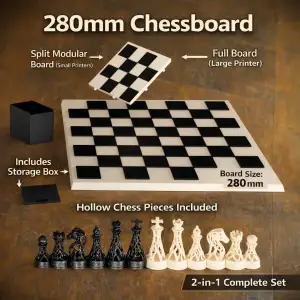


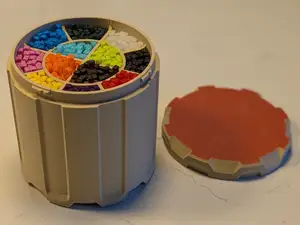
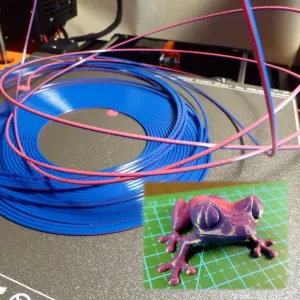


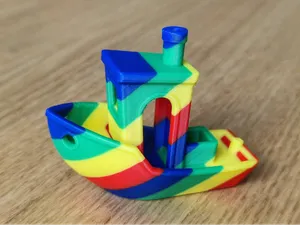
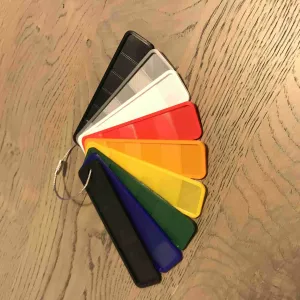

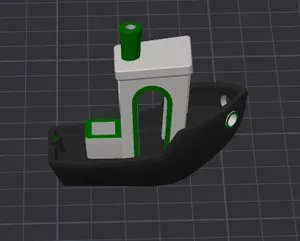
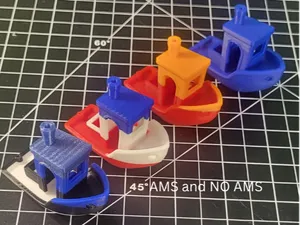
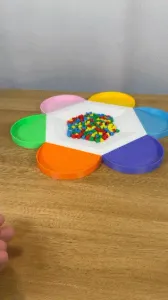


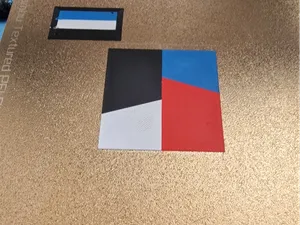
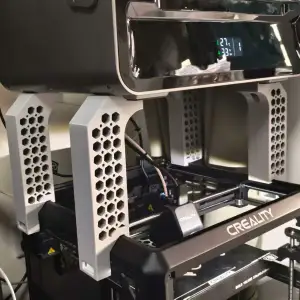

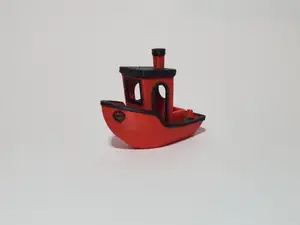

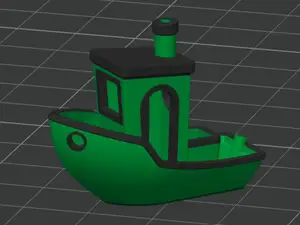
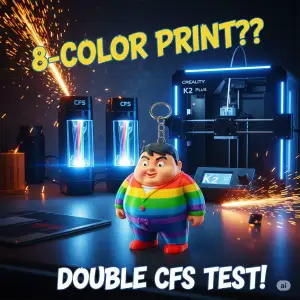

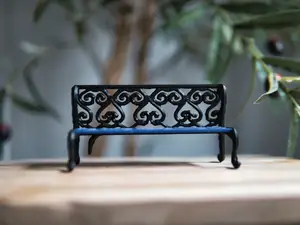
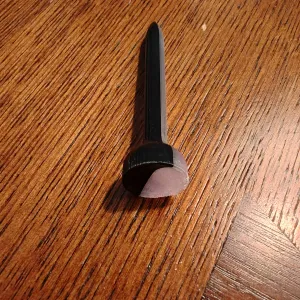

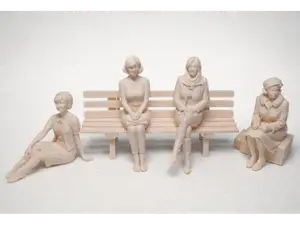
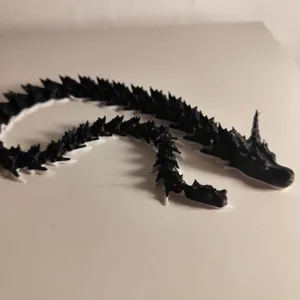

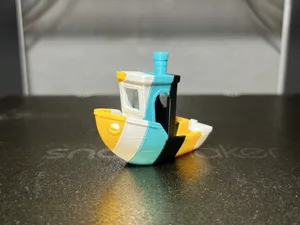


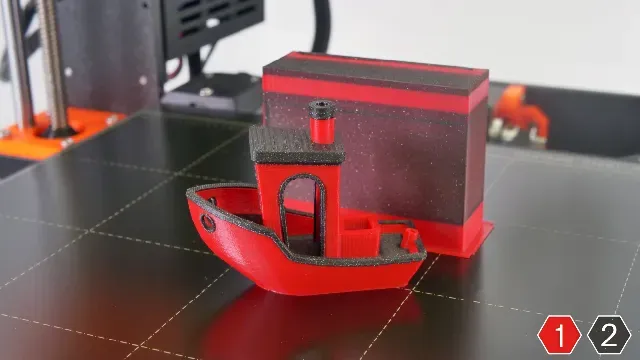
The most common group is test and calibration geometry, where a simple shape is split into color zones so you can watch how each filament lays down. Alongside those are characters and low-poly figures, where the color split follows clothing, facial features or body panels. Signs, keychains and earrings usually come as two or more separate parts that are printed in different colors and joined afterwards, while games and board sets use color to mark players, tiles or pieces.
When choosing a model, open the author's page and read how the color changes are meant to happen: some files are split into separate objects, others rely on filament swaps at a set layer. Check the number of parts, whether supports are needed, the material and settings the author lists, and any photos of real prints. Scale matters too, since thin color bands can disappear or smear on a very small print.
To widen the search, try terms such as multi-color, multicolor, filament change, dual color or two-tone, and combine them with what you want to make: test print, benchy, keychain, chess set, earrings. Related topics like color sorting toys, low-poly figures or multi-part signs often lead to models with the same color logic.


Le catalogue complet des thèmes, de la maison à la CNC, avec une recherche sur tous les sites connectés.