
Gratuit 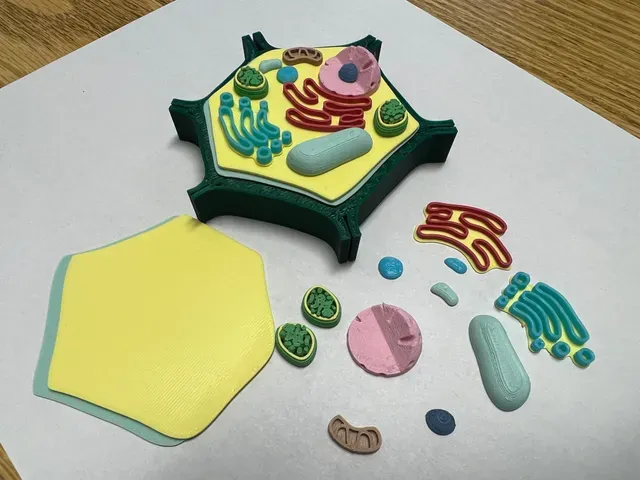
Small Plant Cell Model for Biology
Printables
This collection gathers biology-themed 3D models for study and display, from cell shapes to lab accessories. You can use them to prepare a lesson, build a visual aid, or test an STL file on your 3D printer. The set is broad, so the main task is to match the model to the level of detail you need. Polyzon does not confirm whether models are free, their price, license, official status, affiliation, safety or fitness. Check the current terms at the source.
Le texte de cette collection est rédigé en anglais ; la recherche, elle, fonctionne dans toutes les langues.
 Une collection Polyzon · 48 modèles sur 7 plateformes
Polyzon compose cette collection à partir des résultats de recherche des plateformes connectées. Les doublons et les modèles sans aperçu sont retirés, les correspondances faibles sont placées à la fin, et le reste suit l’ordre de la recherche. Les modèles appartiennent à leurs auteurs : consultez les conditions sur la page de chaque modèle.
Règles de sélection : la rédaction de Polyzon · Texte mis à jour le 12/10/2026


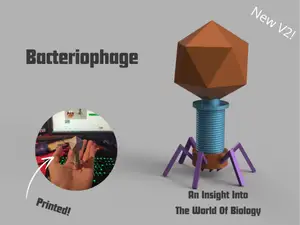


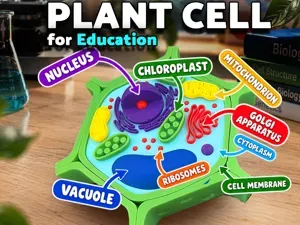


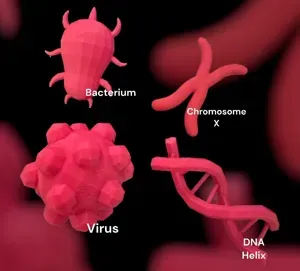

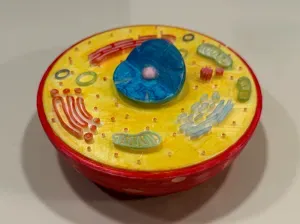


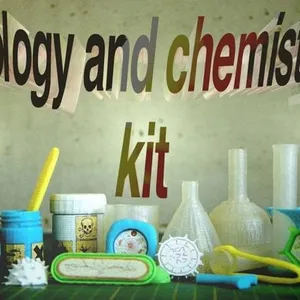


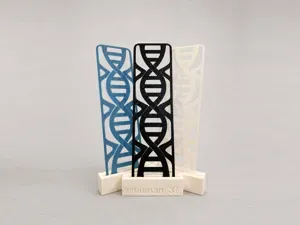


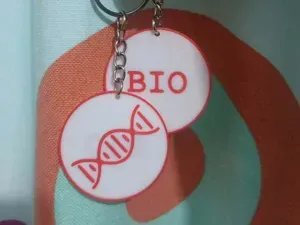
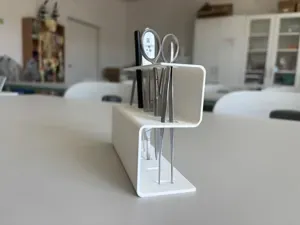


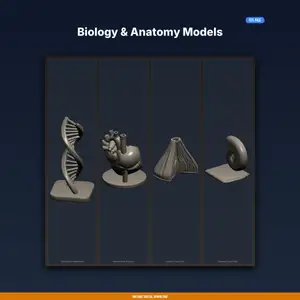
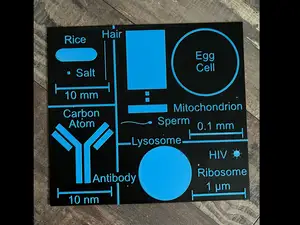
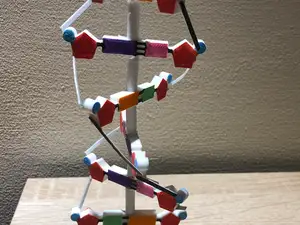
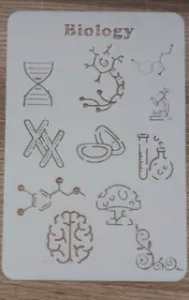

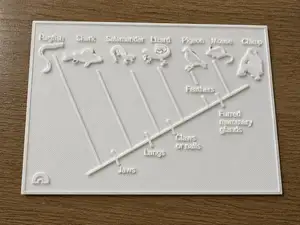
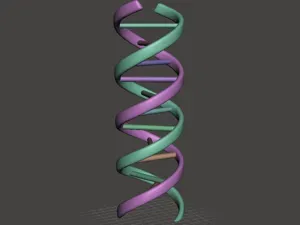

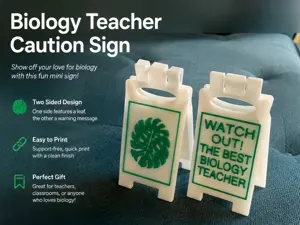


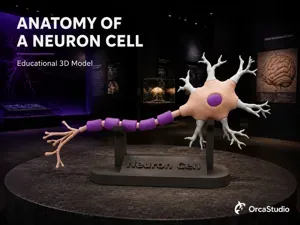
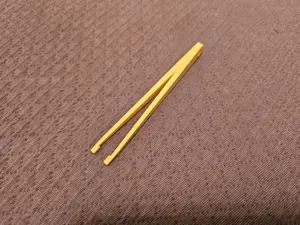
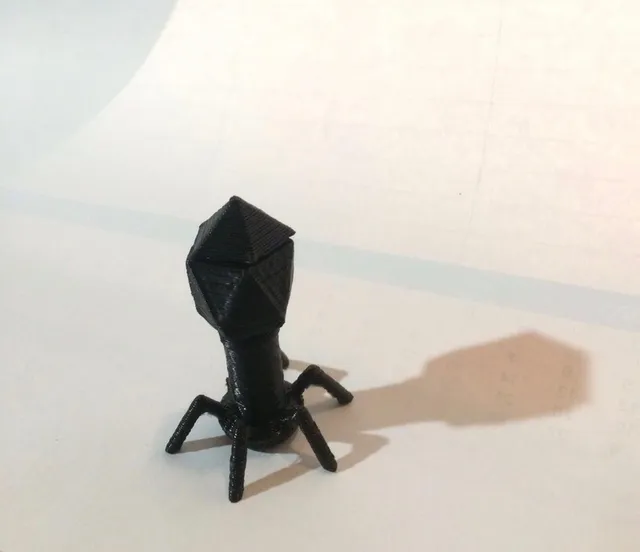
Cell models range from simple rounded forms to multi-part builds with separate organelles, while virus and bacteriophage models often use a base, a body and thin tail fibers. Kits may combine several pieces for classroom use, and lab items such as tube racks or well plates follow a more functional shape. The differences show up in part count, scale and the amount of fine structure on the surface.
When choosing a file, check the dimensions and scale first, then look at how many parts need assembly and whether the author shows supports in the print orientation. Read the listed material and settings, and compare them with photos of real prints to judge surface detail and thin sections. If a model has delicate fibers or small wells, consider how your nozzle and layer height will handle them.
To refine the search, try terms such as cell, organelle, virus, bacteriophage, dissection, microscope, lab, or classroom model. Related topics include chemistry, anatomy, microbiology and science education, which often lead to similar files. You can also search by format, part count or the name of the structure you want to study.



Le catalogue complet des thèmes, de la maison à la CNC, avec une recherche sur tous les sites connectés.