
Gratuit 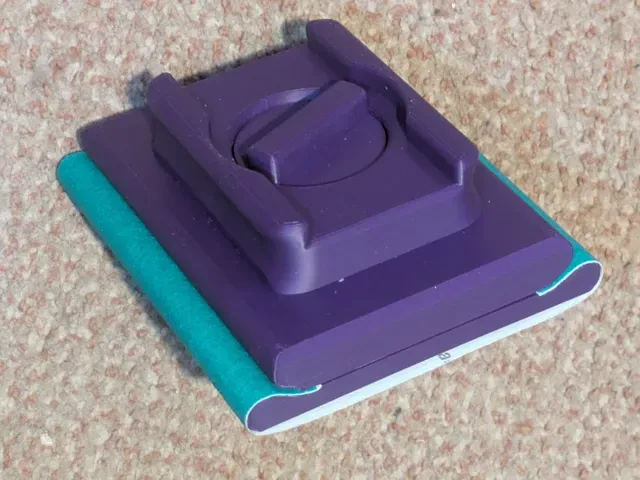
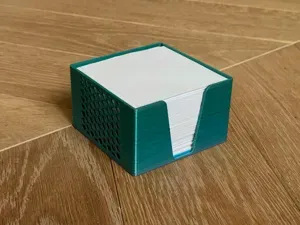
Sanding block for 115 mm roll paper finger saving
MakerWorld
This collection gathers 3D models that revolve around small blocks handled with the fingers: grip trainers, fidget pieces, fingerboard rails, splints and articulated extensions. It is useful when you want a compact object to print on a desktop 3D printer and test how a shape feels in the hand. The STL files come from several platforms, so the level of detail in the descriptions varies. Polyzon does not confirm whether models are free, their price, license, official status, affiliation, safety or fitness. Check the current terms at the source.
Le texte de cette collection est rédigé en anglais ; la recherche, elle, fonctionne dans toutes les langues.
 Une collection Polyzon · 48 modèles sur 8 plateformes
Polyzon compose cette collection à partir des résultats de recherche des plateformes connectées. Les doublons et les modèles sans aperçu sont retirés, les correspondances faibles sont placées à la fin, et le reste suit l’ordre de la recherche. Les modèles appartiennent à leurs auteurs : consultez les conditions sur la page de chaque modèle.
Règles de sélection : la rédaction de Polyzon · Texte mis à jour le 12/10/2026




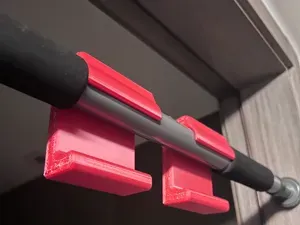
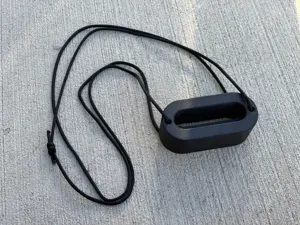

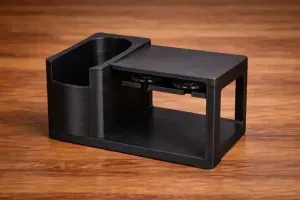
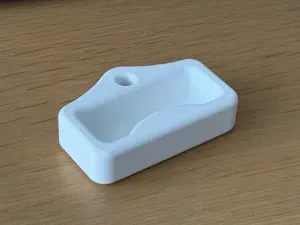
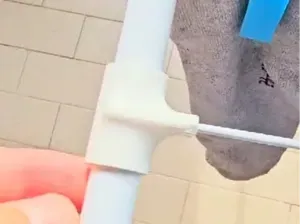

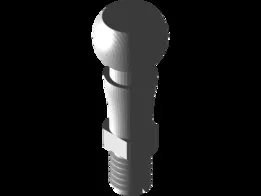
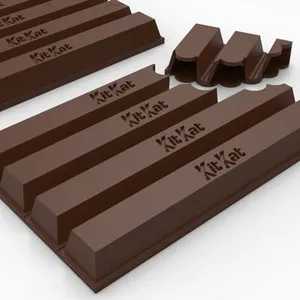


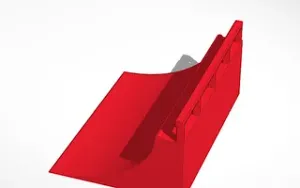
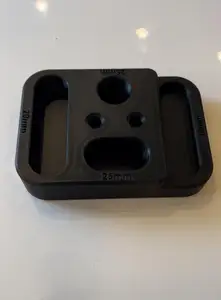
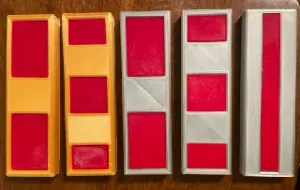

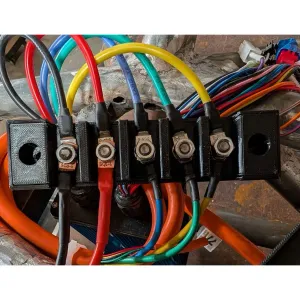
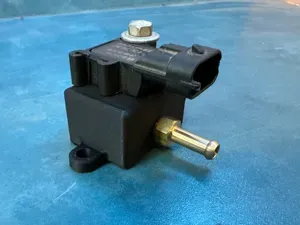
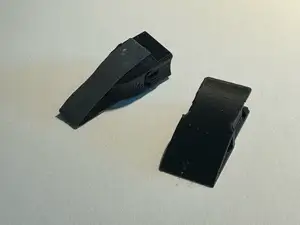


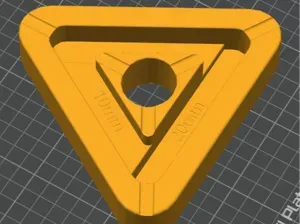
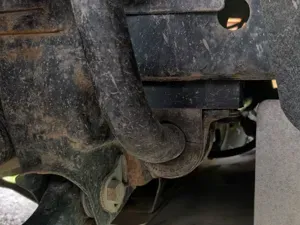
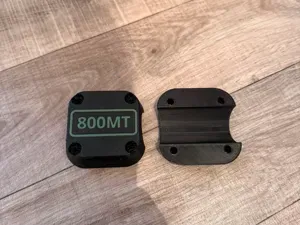

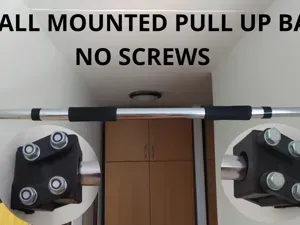

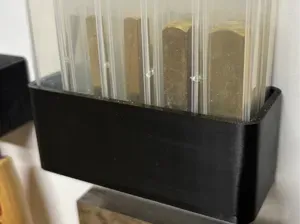
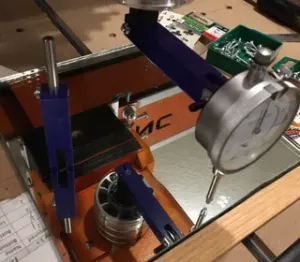

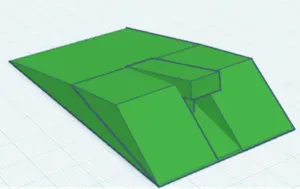
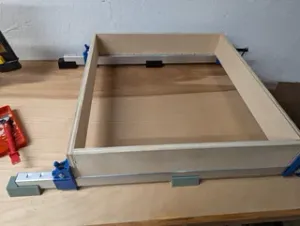

The models fall into a few groups that behave differently on the plate. Grip and training blocks are usually solid shapes with textured faces, while fidget pieces rely on moving parts and clearances. Fingerboard rails and obstacles are long, thin profiles meant to sit on a desk, and splints or articulated extensions are closer to wearable shapes with joints and straps. Bench blocks and tool holders are heavier, flatter parts where stiffness matters more than surface feel.
Before printing, open the author's model page and read what is listed there. Check the overall size and scale, since a block that fits one hand may be too large or too small for another. Look at how many parts the model has and whether assembly is required, then see whether the author mentions supports and which material and settings were used. Photos of real prints are the most useful signal, because they show layer lines, gaps between moving parts and how the surface actually looks.
If the results feel narrow, try other wordings for the same idea: finger trainer, grip block, hand exerciser, fidget toy, desk toy, fingerboard ramp or obstacle, finger support, articulated finger. Related searches such as therapy aids, sensory toys, miniature ramps or workshop organizers often lead to similar geometry. Combining a shape word with a use word, for example a block plus the hand motion it is meant for, tends to bring up models that a single term misses.


Le catalogue complet des thèmes, de la maison à la CNC, avec une recherche sur tous les sites connectés.