Gratuit 
Mini Keychain FPV Racer
Thingiverse
This collection gathers miniature keychain 3D models: clickers and switch fidgets, flexi animals, tiny vehicles, and small replicas of everyday objects. Most of them are designed to print in one piece on a desktop 3D printer, which makes them a common choice for quick test prints and small gifts. The STL files come from several platforms, so each entry leads to the author's own page. Polyzon does not confirm whether models are free, their price, license, official status, affiliation, safety or fitness. Check the current terms at the source.
Le texte de cette collection est rédigé en anglais ; la recherche, elle, fonctionne dans toutes les langues.
 Une collection Polyzon · 47 modèles sur 4 plateformes
Polyzon compose cette collection à partir des résultats de recherche des plateformes connectées. Les doublons et les modèles sans aperçu sont retirés, les correspondances faibles sont placées à la fin, et le reste suit l’ordre de la recherche. Les modèles appartiennent à leurs auteurs : consultez les conditions sur la page de chaque modèle.
Règles de sélection : la rédaction de Polyzon · Texte mis à jour le 15/10/2026
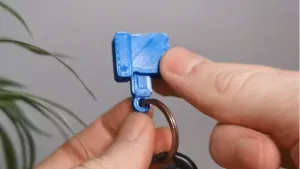

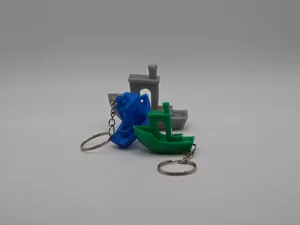
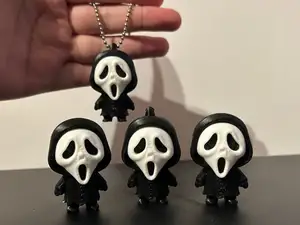
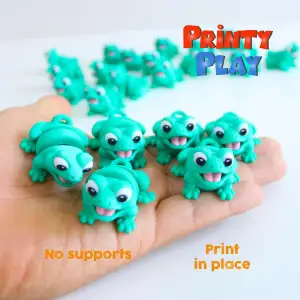

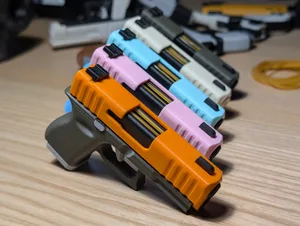
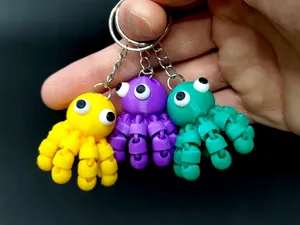

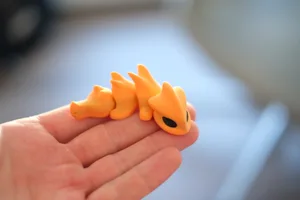
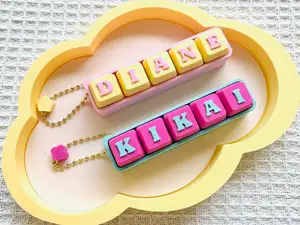
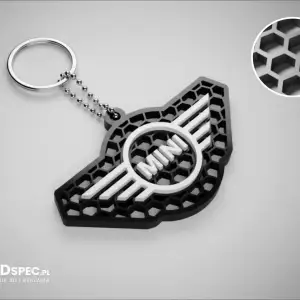
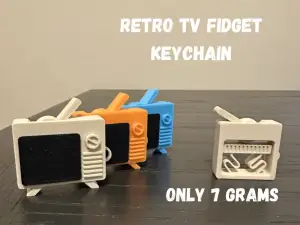

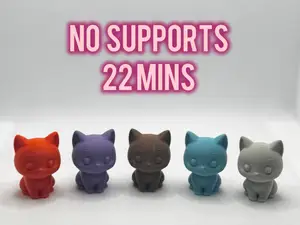
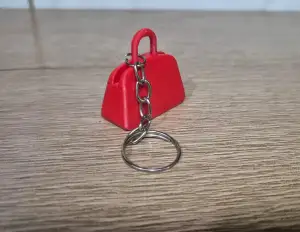
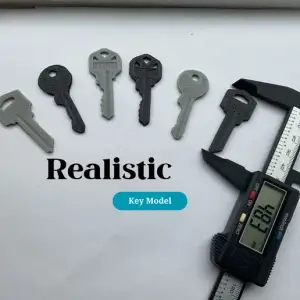
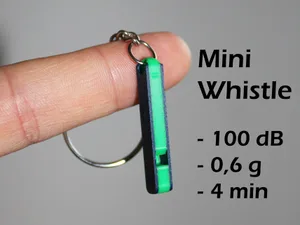
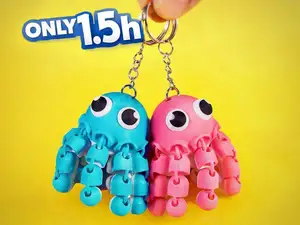
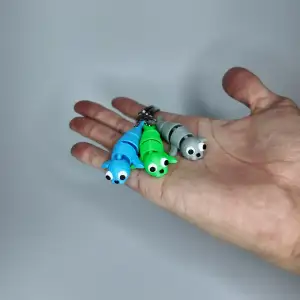

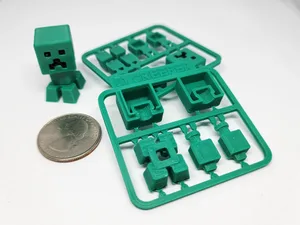
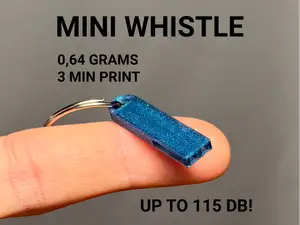
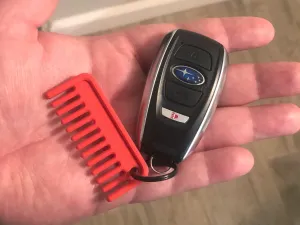

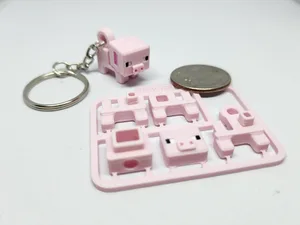
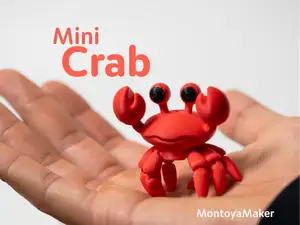
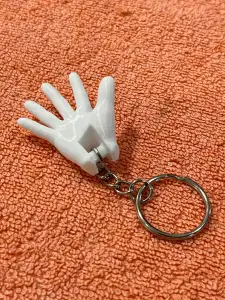

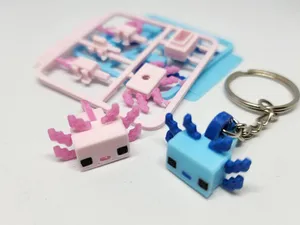
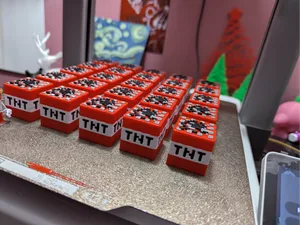
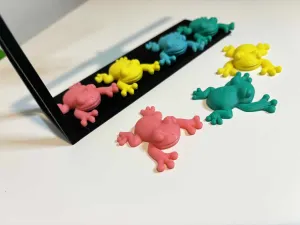

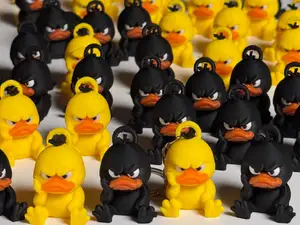
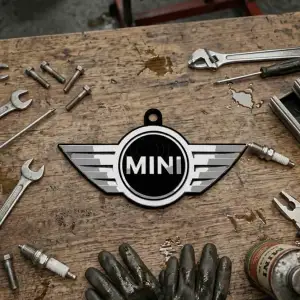

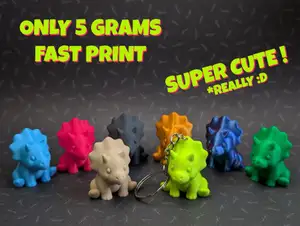
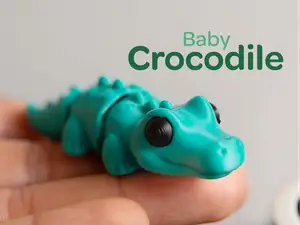

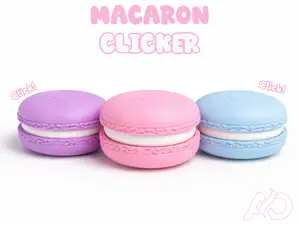
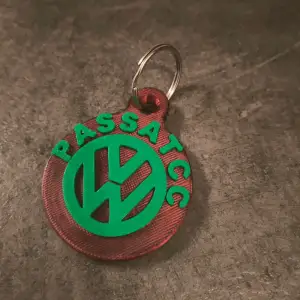

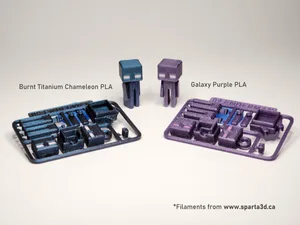
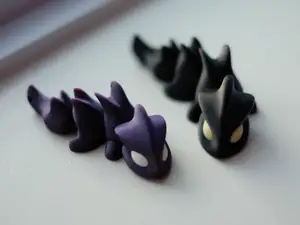
The range splits into a few clear groups. Fidget pieces rely on a moving part — a clicker, a toggle, or a sliding element — and are usually printed as a single body. Flexi and articulated animals use linked segments, so they bend after printing. Vehicle, logo, and character charms are mostly static shapes that carry a keyring hole, while miniature replicas of objects and buildings sit somewhere between a charm and a small display model.
Before printing, open the model page and read what the author lists. Check the overall size and scale, since a keychain has to stay light enough to hang without pulling at a pocket or a zipper. Look at the part count and whether assembly or glue is involved, whether the geometry needs supports, and which material and settings the author used. Photos of real prints are the most useful reference for judging how thin walls and small holes come out on a filament printer.
If the results feel too narrow, try other wording. "Charm", "pendant", "tag", and "key ring" describe similar objects, and "fidget", "clicker", and "switch" cover the moving variants. Related topics worth searching are bag tags, zipper pulls, miniature animals, and small articulated toys. Combining a subject with a size word, such as mini or small, usually narrows a broad list faster than sorting through it.


Le catalogue complet des thèmes, de la maison à la CNC, avec une recherche sur tous les sites connectés.