Gratuit 
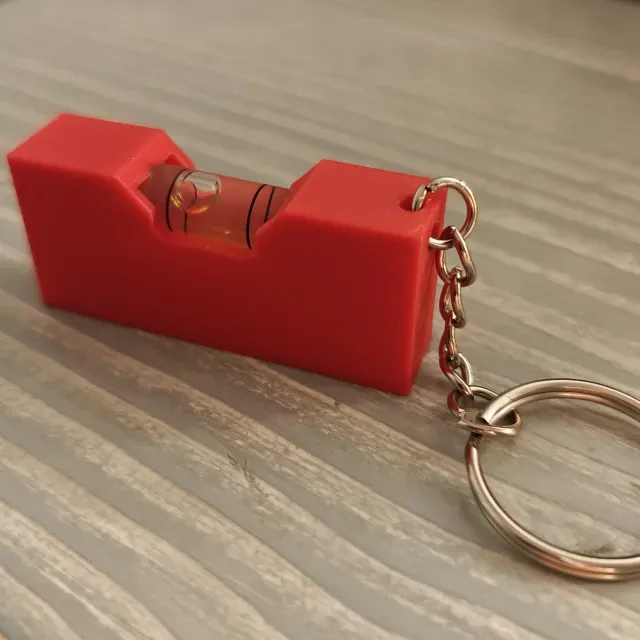
Mini Bubble Spirit Level keychain
Thingiverse
This collection gathers 3D models of bubble and spirit levels, from tiny keychain bodies to rail-mounted anti-cant units and tripod accessories. Most are simple housings that hold a vial, so they are a practical subject for 3D printing. The STL files differ mainly in size, mounting method and how the vial is retained. Polyzon does not confirm whether models are free, their price, license, official status, affiliation, safety or fitness. Check the current terms at the source.
Le texte de cette collection est rédigé en anglais ; la recherche, elle, fonctionne dans toutes les langues.
 Une collection Polyzon · 45 modèles sur 4 plateformes
Polyzon compose cette collection à partir des résultats de recherche des plateformes connectées. Les doublons et les modèles sans aperçu sont retirés, les correspondances faibles sont placées à la fin, et le reste suit l’ordre de la recherche. Les modèles appartiennent à leurs auteurs : consultez les conditions sur la page de chaque modèle.
Règles de sélection : la rédaction de Polyzon · Texte mis à jour le 12/10/2026
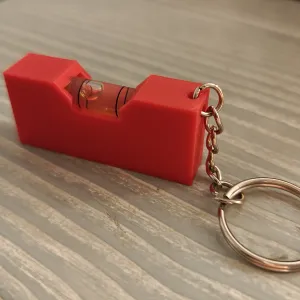

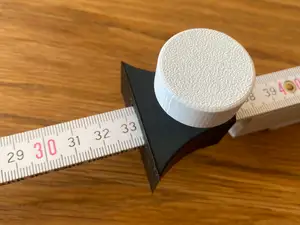
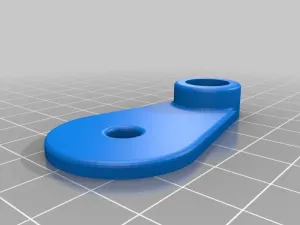


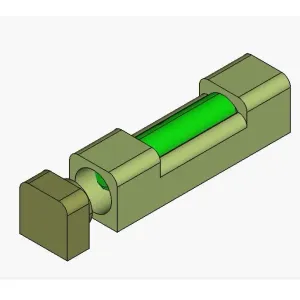


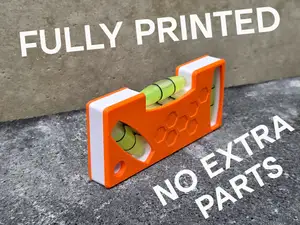
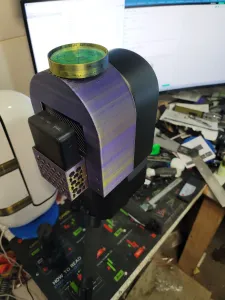

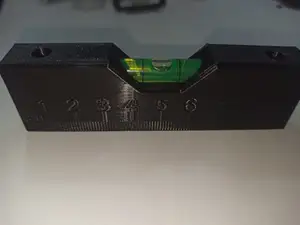
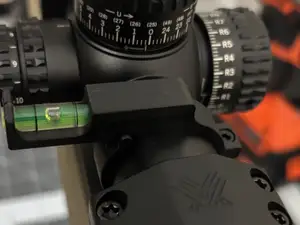
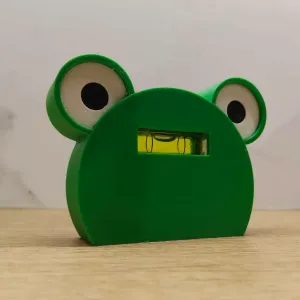


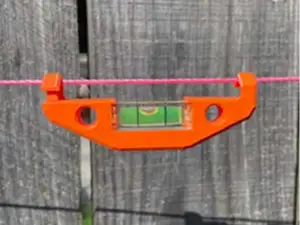
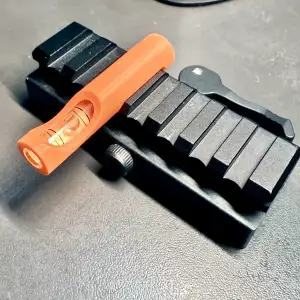


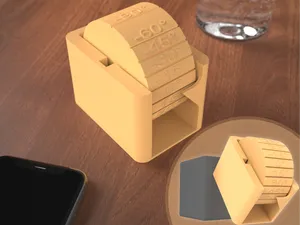



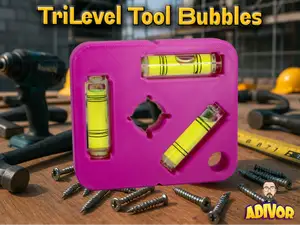
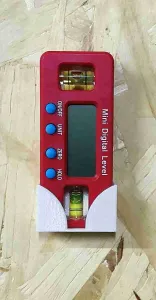

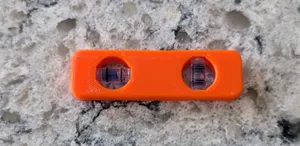
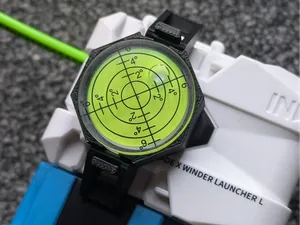
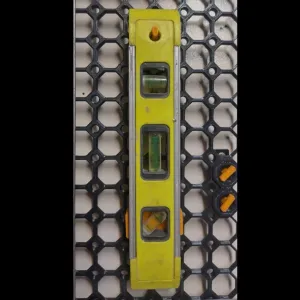
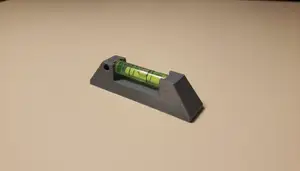


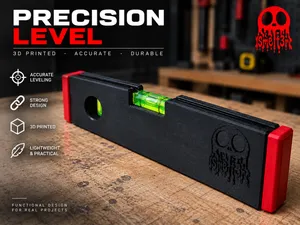


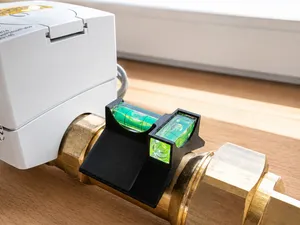
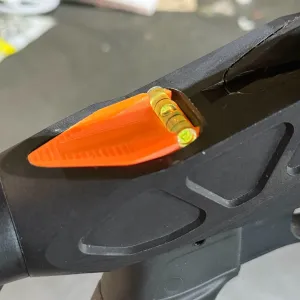
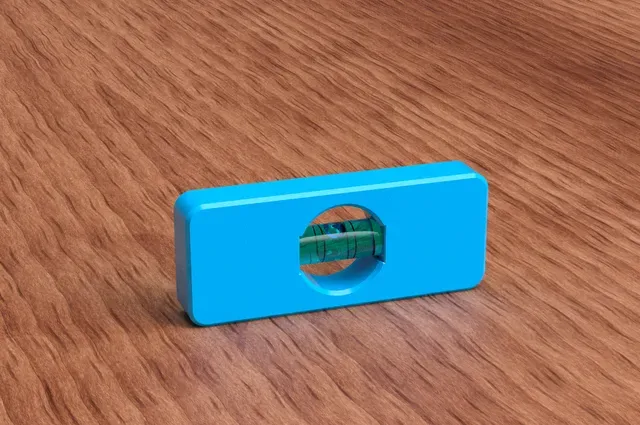
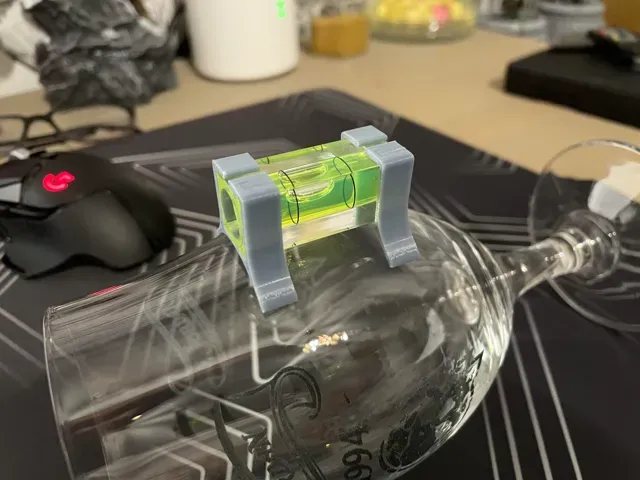
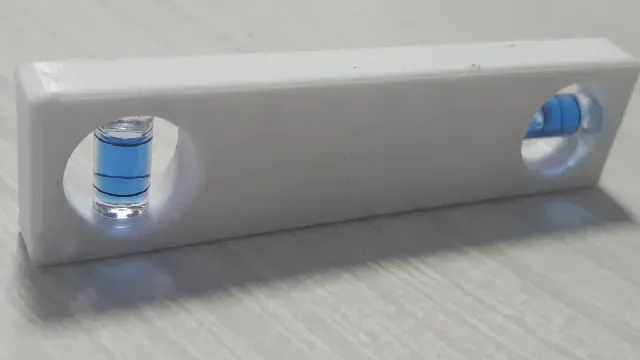
The models fall into a few groups. Pocket and keychain versions are small bodies with a single vial pocket, often printed as one piece. Scope and rail levels are longer, with a clamp or screw mount and sometimes a second vial for cross-checking. Tripod, hammock and equipment-holder versions are shaped around an existing object, so their geometry follows that mount rather than a flat reference surface. Magnetic and larger bench levels add a base or magnet pocket, which changes both the footprint and the print orientation.
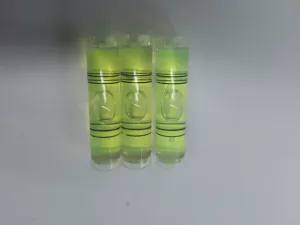
When choosing a model, look at the vial dimensions the author lists: pocket diameter and depth decide which vial fits, and a loose or oversized pocket affects how the level reads. Check the number of parts and whether assembly or glue is required, the orientation the author recommends, and whether supports are needed for overhangs. Material and settings matter less than wall thickness and flatness of the reference face, so read the notes and photos of real prints before starting.
To widen or narrow the search, try synonyms such as spirit level, bubble vial, anti-cant level, inclinometer or torpedo level, and combine them with a use case like keychain, tripod, scope, hammock or workshop. Related topics include vial holders, mounting brackets and calibration jigs, which often appear under different names. If you need a specific size, search by the vial dimensions or the object the level attaches to rather than by the word level alone.




Le catalogue complet des thèmes, de la maison à la CNC, avec une recherche sur tous les sites connectés.