
Gratuit 
Bunny Furry (Commission)
Sketchfab
This collection gathers furry bunny 3D models that range from cartoon characters and anthropomorphic figures to Easter sculptures and mechanical helmets. It is useful when you want a single place to compare how different authors approach fur, ears, tails and poses for 3D printing. Most entries are STL files meant for a resin or filament 3D printer, with the author's own notes on scale and assembly. Polyzon does not confirm whether models are free, their price, license, official status, affiliation, safety or fitness. Check the current terms at the source.
Le texte de cette collection est rédigé en anglais ; la recherche, elle, fonctionne dans toutes les langues.
 Une collection Polyzon · 48 modèles sur 6 plateformes
Polyzon compose cette collection à partir des résultats de recherche des plateformes connectées. Les doublons et les modèles sans aperçu sont retirés, les correspondances faibles sont placées à la fin, et le reste suit l’ordre de la recherche. Les modèles appartiennent à leurs auteurs : consultez les conditions sur la page de chaque modèle.
Règles de sélection : la rédaction de Polyzon · Texte mis à jour le 12/10/2026

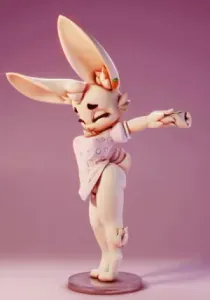
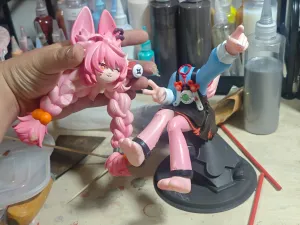
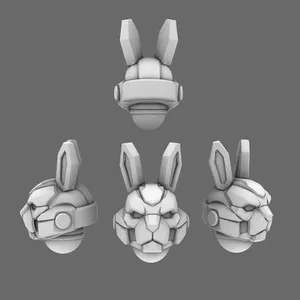
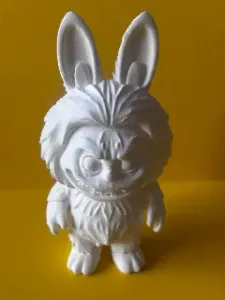

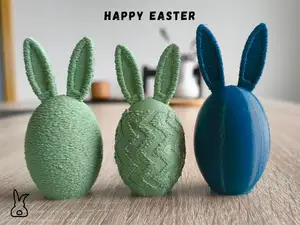
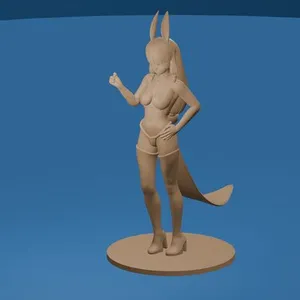
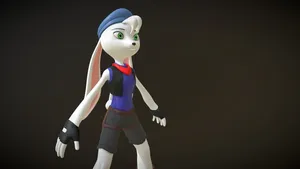
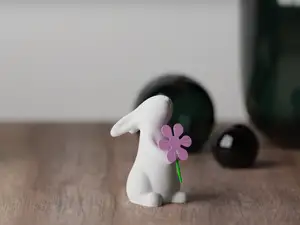

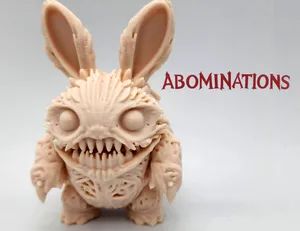
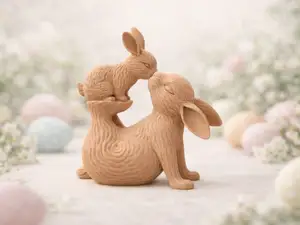
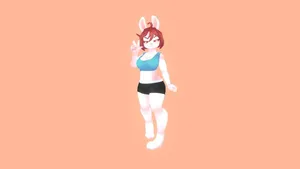
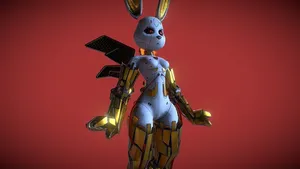

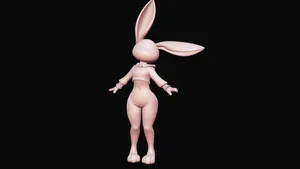
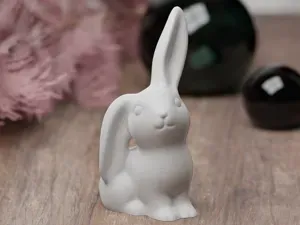
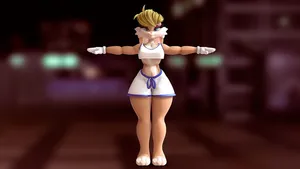


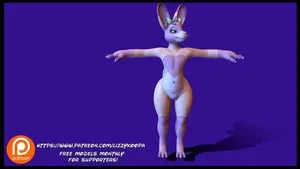
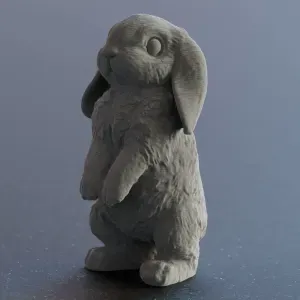


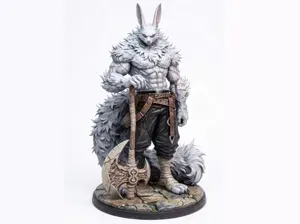


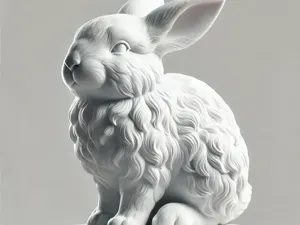
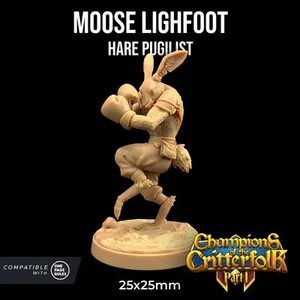

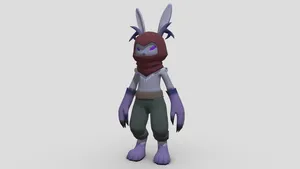
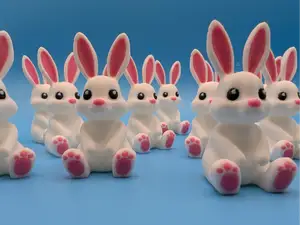
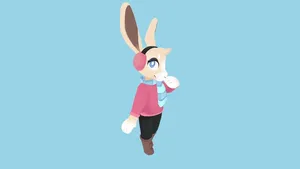
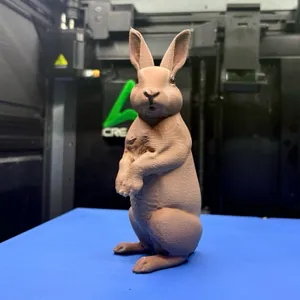
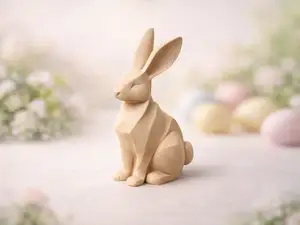

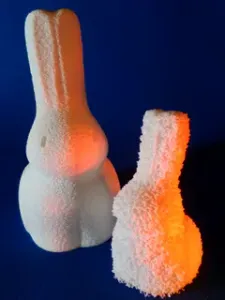
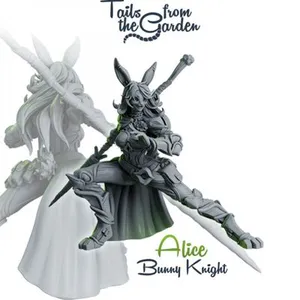
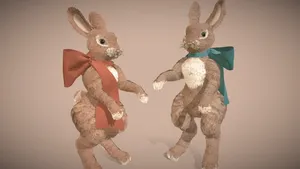
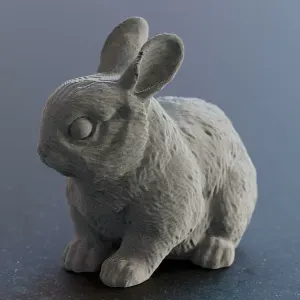
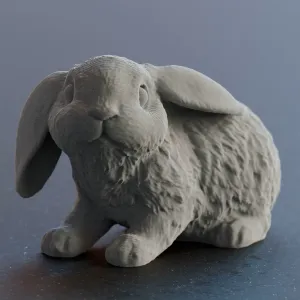
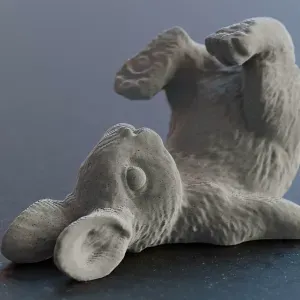
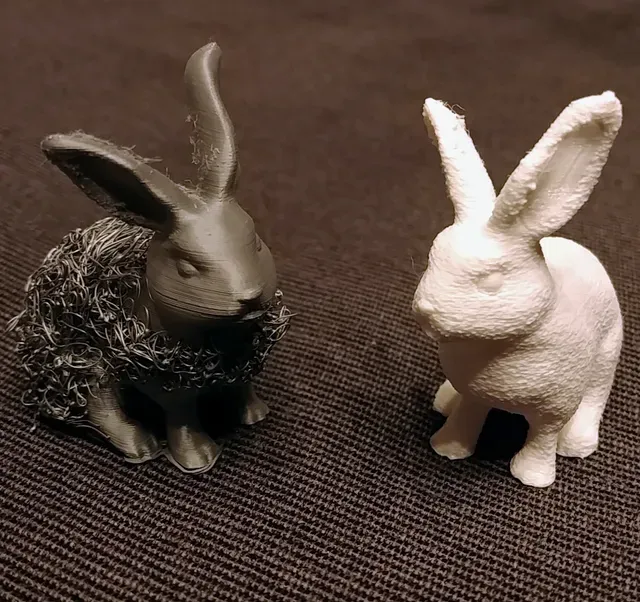
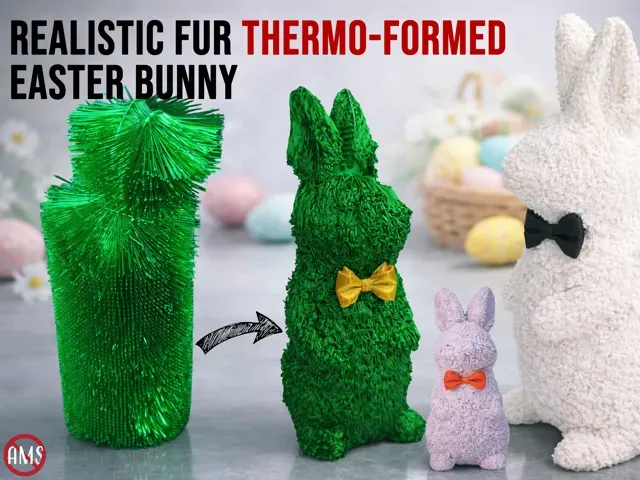
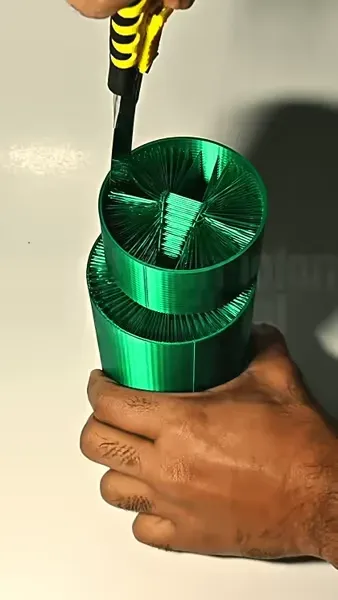
The models fall into a few recognizable groups. Character figures lean on smooth stylized shapes and exaggerated proportions, while Easter-oriented pieces often use thermo-formed or sculpted surfaces to suggest fur texture. Mech and helmet variants replace the organic body with hard panels, and accessory designs such as stacking cups or bowling pins are shaped around small animals rather than display.
When choosing a model, open the author's page and read what is listed there: finished size and scale, how many separate parts are included, whether the parts are keyed or need gluing, and whether supports are expected. For furry surfaces, layer height and orientation matter more than usual, because fine strands and thin ears can be fragile or hard to clean up. Photos of actual prints, if the author provides them, tell you more about the surface than a render does.
Search results for this topic are wide, so it helps to try several phrasings: rabbit, bun, bunny girl, anthropomorphic, cartoon animal, Easter rabbit, or mech bunny. Related directions include fandom character figures, animal sculptures, and small-pet accessories, which often appear under separate terms. Combining a style word with a format word, such as figurine, bust or helmet, narrows the list quickly.


Le catalogue complet des thèmes, de la maison à la CNC, avec une recherche sur tous les sites connectés.