
Gratuit 
Beer Crate battery holder AA/AAA/9V/18650 Stackable
Thingiverse
This collection gathers small cases you can make on a 3D printer: storage boxes, hinged containers, organizers for small parts and compact shells for hardware. Most of them are sized for a modest build volume, so they are a practical starting point for 3D printing. The range is wide, from simple lidded boxes to cases built around a specific object. Polyzon does not confirm whether models are free, their price, license, official status, affiliation, safety or fitness. Check the current terms at the source.
Le texte de cette collection est rédigé en anglais ; la recherche, elle, fonctionne dans toutes les langues.
 Une collection Polyzon · 45 modèles sur 4 plateformes
Polyzon compose cette collection à partir des résultats de recherche des plateformes connectées. Les doublons et les modèles sans aperçu sont retirés, les correspondances faibles sont placées à la fin, et le reste suit l’ordre de la recherche. Les modèles appartiennent à leurs auteurs : consultez les conditions sur la page de chaque modèle.
Règles de sélection : la rédaction de Polyzon · Texte mis à jour le 14/10/2026


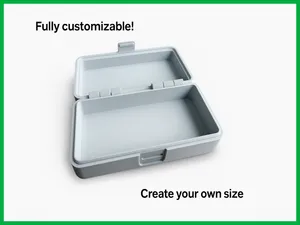


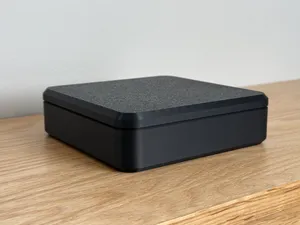


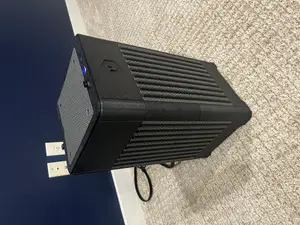
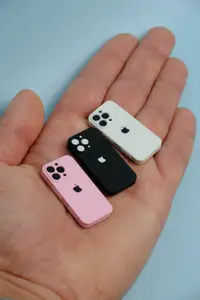


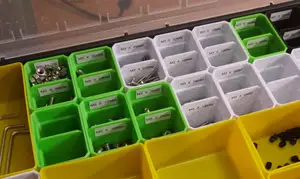
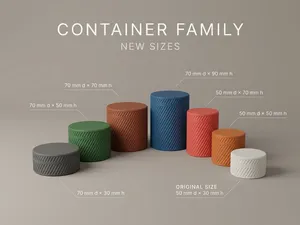


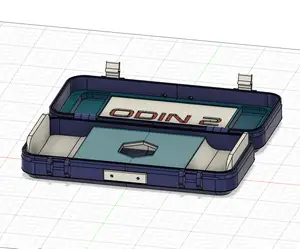
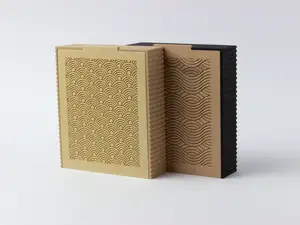

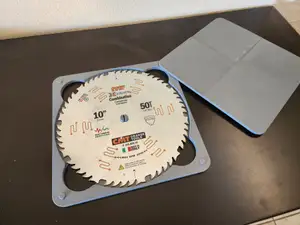
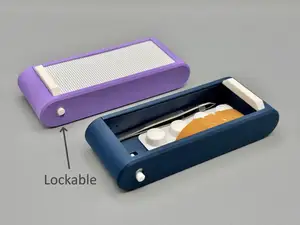


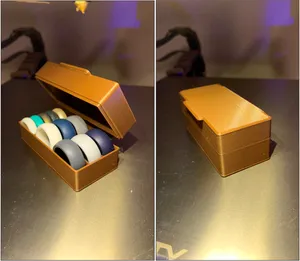
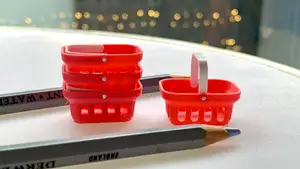


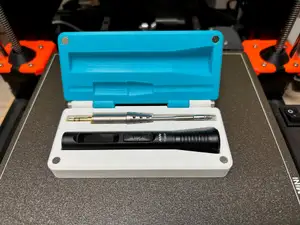
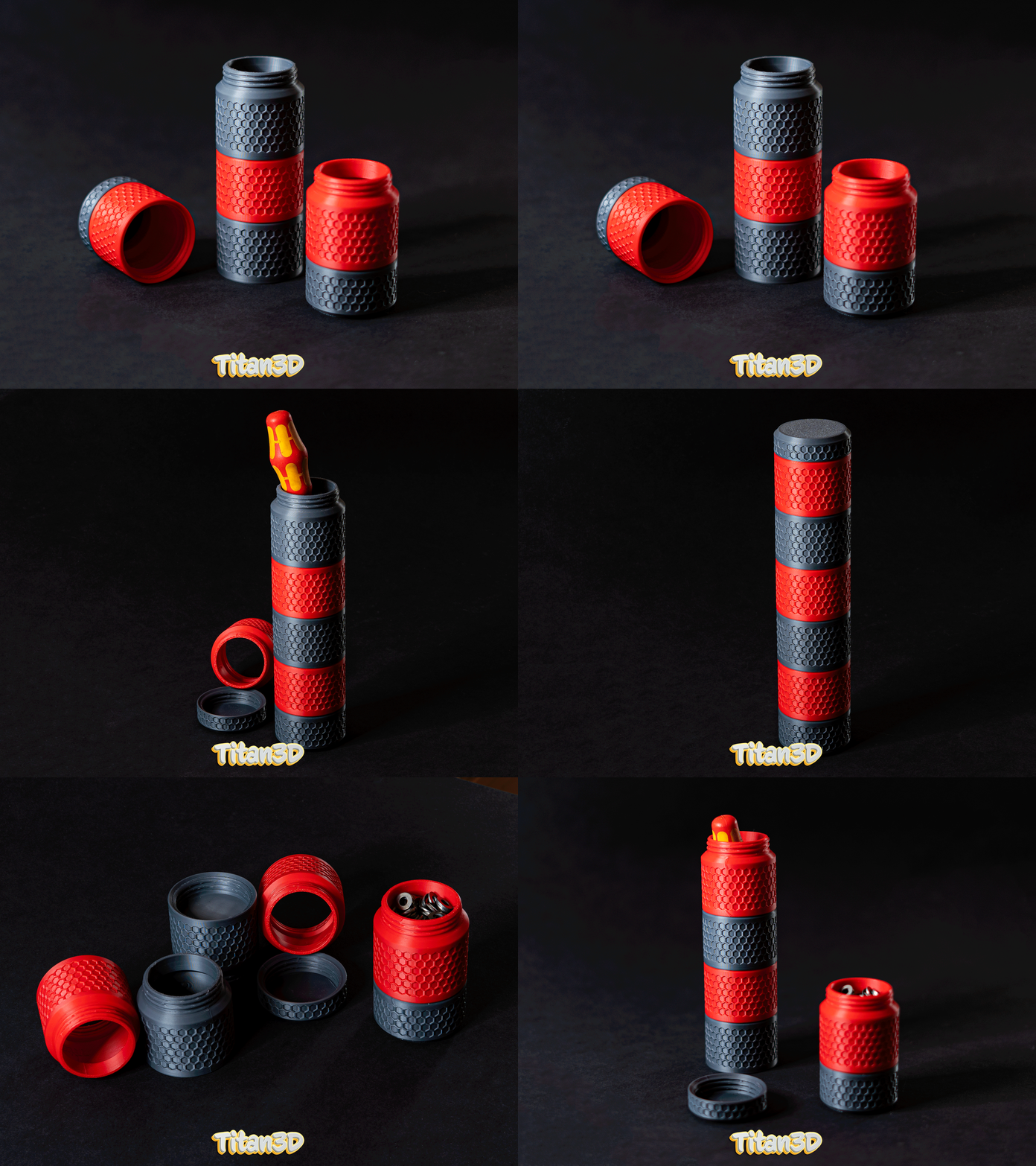

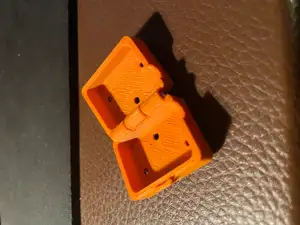
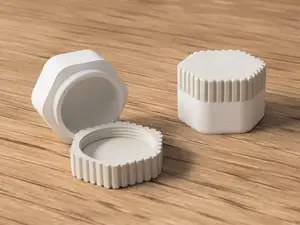


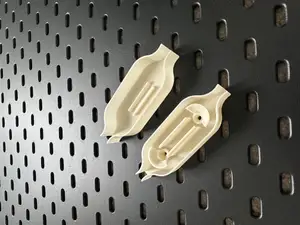
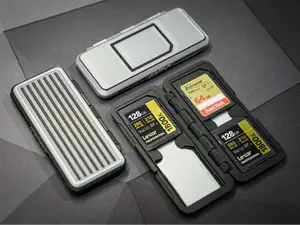


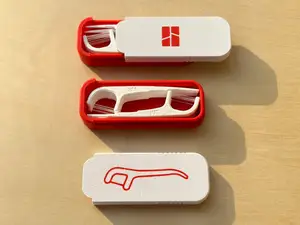
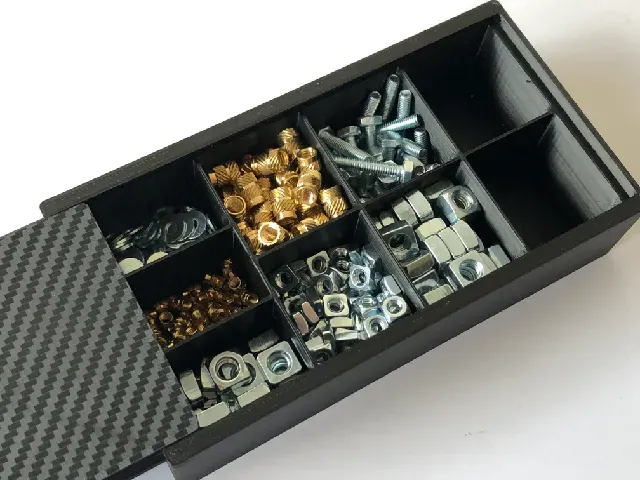
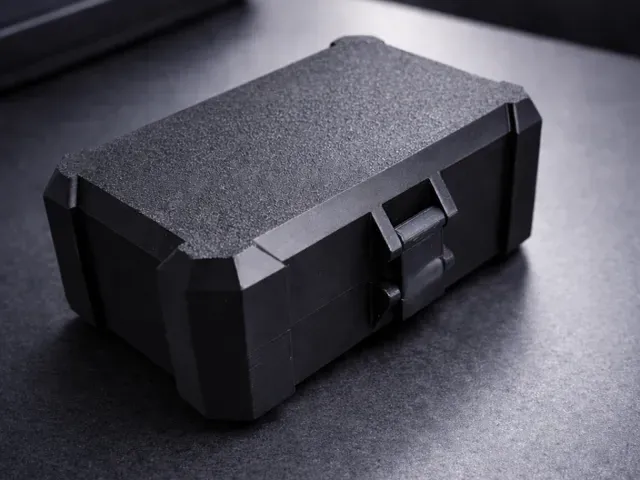
The models split into a few recognizable groups. Lidded storage boxes and parametric containers are the most common, often with sliding lids or dividers for screws, batteries and other small parts. A second group uses print-in-place hinges, where the lid and body come off the plate already connected. A third group is functional rather than generic: compact PC cases for small mainboards, and protective shells shaped around earbuds, lighters, miniatures or similar items.
When you open a model page, check the outer dimensions and the wall thickness first, because a case that is a few millimetres off will not close around its contents. Look at how many parts are involved and whether they are joined with hinges, screws or snap fits, since that decides the assembly work. Read the material and settings the author lists, note whether the geometry needs supports, and look at photos of real prints to judge tolerances and surface finish.
If the results feel too broad, narrow them with more specific wording. Try terms such as storage box, organizer, hinged container, sliding lid, insert, tray or enclosure, and add the object it should hold, for example batteries, earbuds, miniatures or a small mainboard. Related topics like desk organizers, drawer inserts, tool holders and parametric containers often lead to the same kind of model.



Le catalogue complet des thèmes, de la maison à la CNC, avec une recherche sur tous les sites connectés.