
Gratuit 
Star Wars Imperial Drop Ship 19BBY
Thingiverse
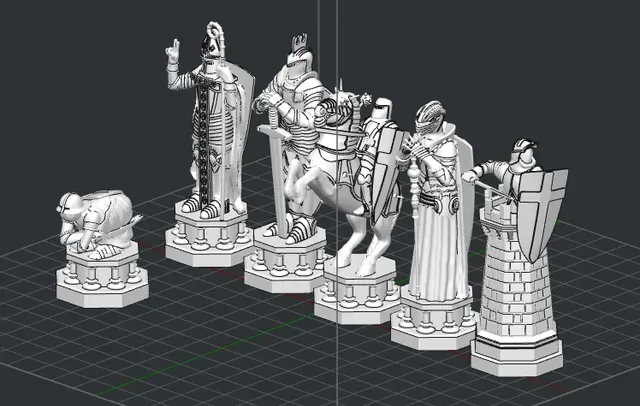
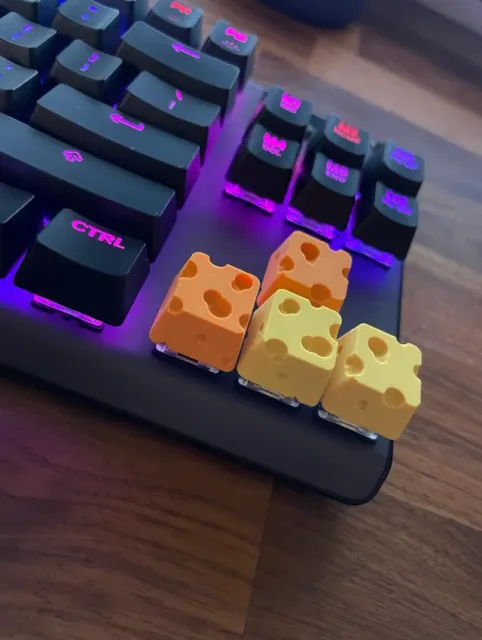
This collection gathers two overlapping groups of files: chess pieces and boards, and objects shaped like cheese, from keycaps to clickers. It is useful if you want a single place to compare how different authors approach the same simple shapes for 3D printing. Many entries are small enough to test a new filament or a new 3D printer setting without a long job. Polyzon does not confirm whether models are free, their price, license, official status, affiliation, safety or fitness. Check the current terms at the source.
Le texte de cette collection est rédigé en anglais ; la recherche, elle, fonctionne dans toutes les langues.
 Une collection Polyzon · 48 modèles sur 4 plateformes
Polyzon compose cette collection à partir des résultats de recherche des plateformes connectées. Les doublons et les modèles sans aperçu sont retirés, les correspondances faibles sont placées à la fin, et le reste suit l’ordre de la recherche. Les modèles appartiennent à leurs auteurs : consultez les conditions sur la page de chaque modèle.
Règles de sélection : la rédaction de Polyzon · Texte mis à jour le 14/10/2026


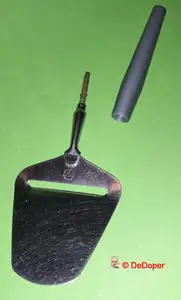
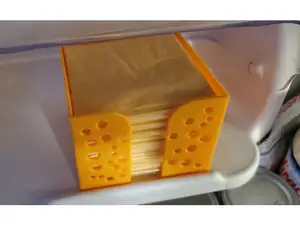


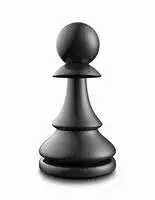
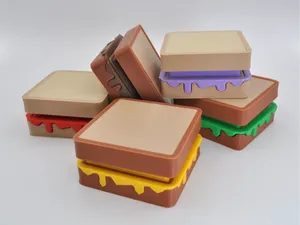


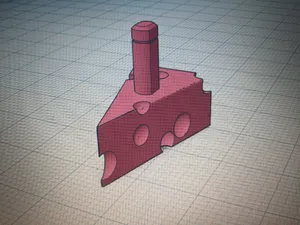
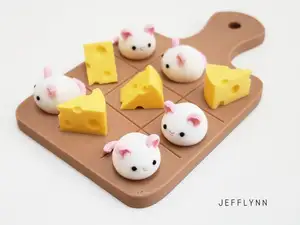


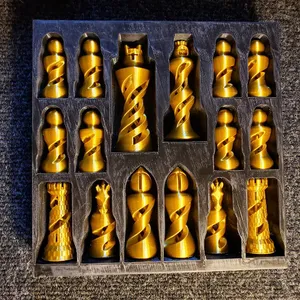
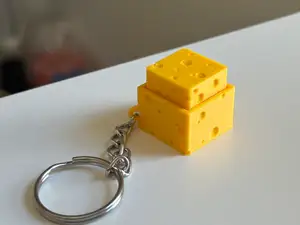


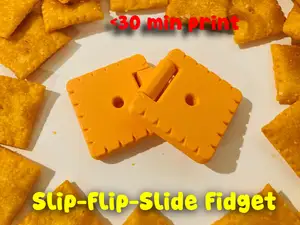


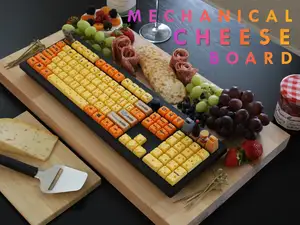


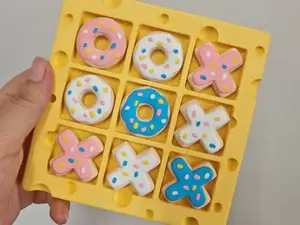


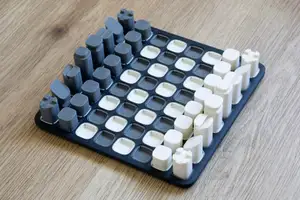
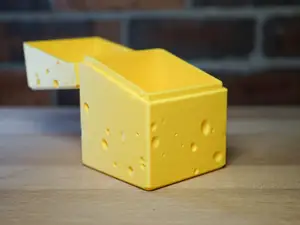


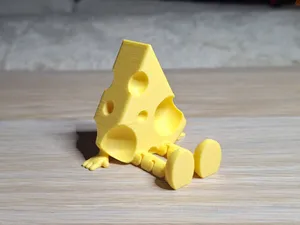


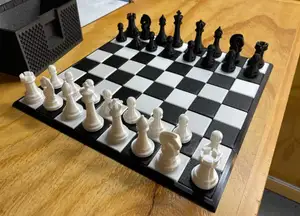
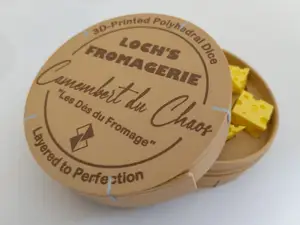


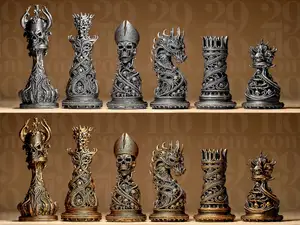
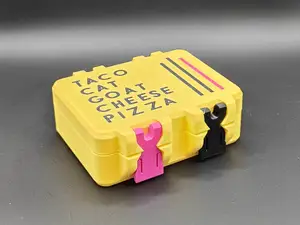
Chess entries range from single pieces such as a pawn or a king to full sets and boards, and some authors rework the standard shapes into animals, silhouettes or organic forms. Cheese entries are mostly small decorative or interactive objects: keycaps, keychain clickers, slicer handles and holders. The two groups differ in purpose, so a piece meant to sit on a board is usually judged by proportions, while a clicker or keycap is judged by how its moving parts fit together.
When choosing a file, open the author's model page and read what is listed there: the size and scale, the number of separate parts, whether supports are needed, and the material and settings the author names. For chess sets, check that the pieces share a consistent base diameter and height so they stand evenly on the board. For small cheese-shaped items, look at wall thickness and at photos of real prints, since thin decorative parts and snap-fit joints behave differently across materials.
If a search returns few results, try related wording. Chess files also appear under board game, game set, pawn, knight or bishop, and under the names of themed variants. Cheese-shaped items are often filed as keycap, keychain, fidget, clicker or desk toy, and slicer parts under kitchen tool or handle. Combining a shape word with a function word usually narrows the list faster than a single broad term.


Le catalogue complet des thèmes, de la maison à la CNC, avec une recherche sur tous les sites connectés.