Gratuit 
Wall Flower Mount (CLICK)
Thingiverse
This collection gathers 3D models built around a click: fidget clickers, mechanical switch bodies, print-in-place spinners and small keychain versions. Most of them are small parts, so they are a practical subject for testing tolerances and layer settings on a 3D printer. The variety comes from how the click is made, not from the shape alone. Polyzon does not confirm whether models are free, their price, license, official status, affiliation, safety or fitness. Check the current terms at the source.
Le texte de cette collection est rédigé en anglais ; la recherche, elle, fonctionne dans toutes les langues.
 Une collection Polyzon · 47 modèles sur 4 plateformes
Polyzon compose cette collection à partir des résultats de recherche des plateformes connectées. Les doublons et les modèles sans aperçu sont retirés, les correspondances faibles sont placées à la fin, et le reste suit l’ordre de la recherche. Les modèles appartiennent à leurs auteurs : consultez les conditions sur la page de chaque modèle.
Règles de sélection : la rédaction de Polyzon · Texte mis à jour le 14/10/2026
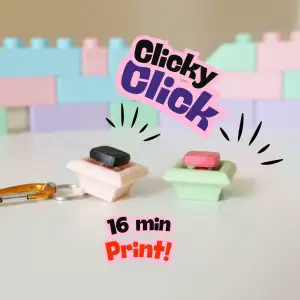


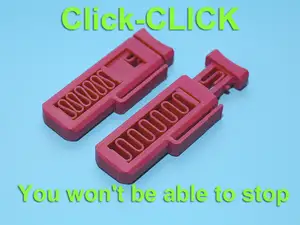
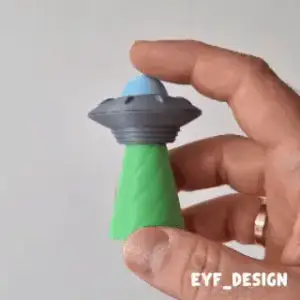

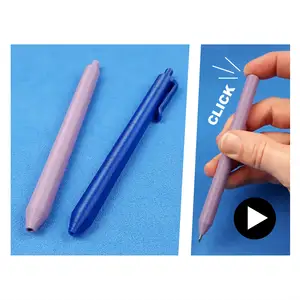
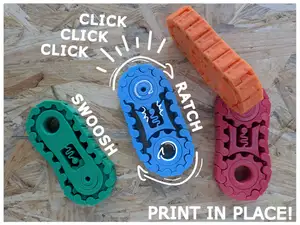
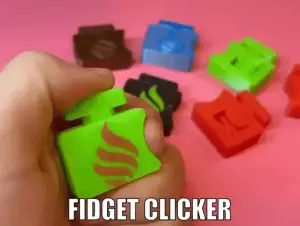


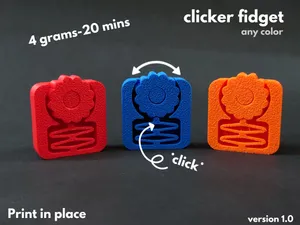
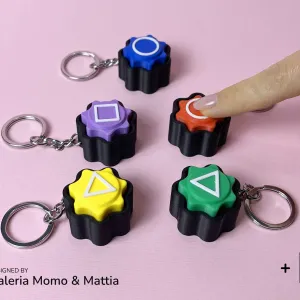

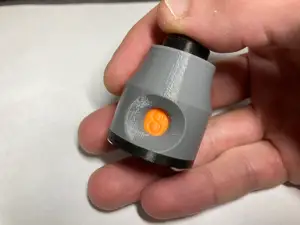
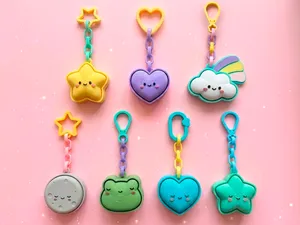
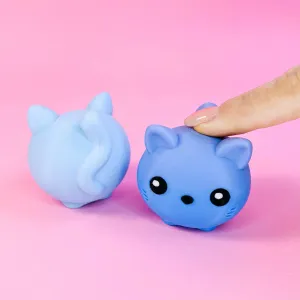


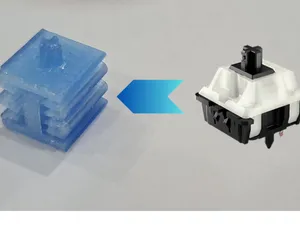



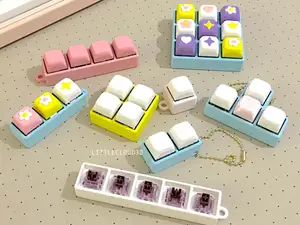
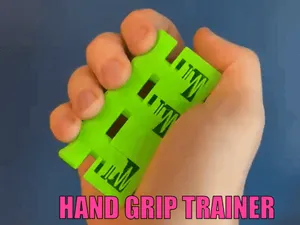

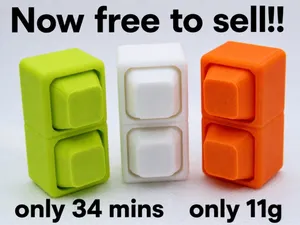
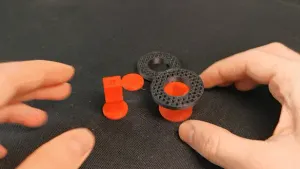


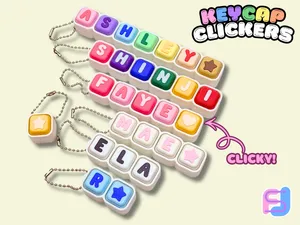
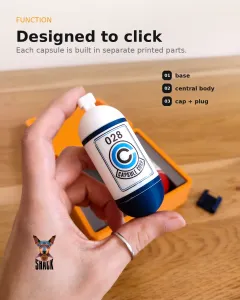

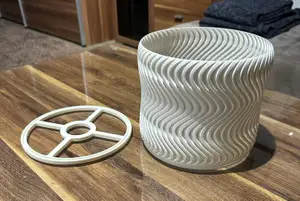

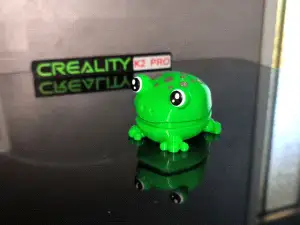


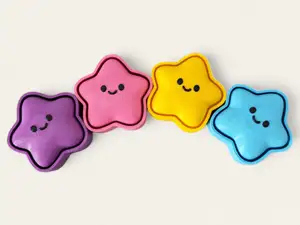
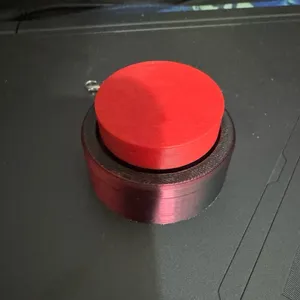

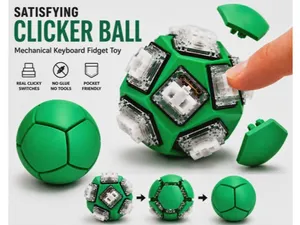
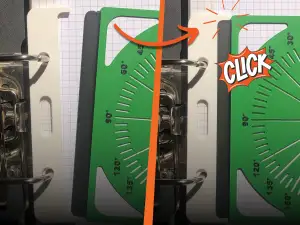
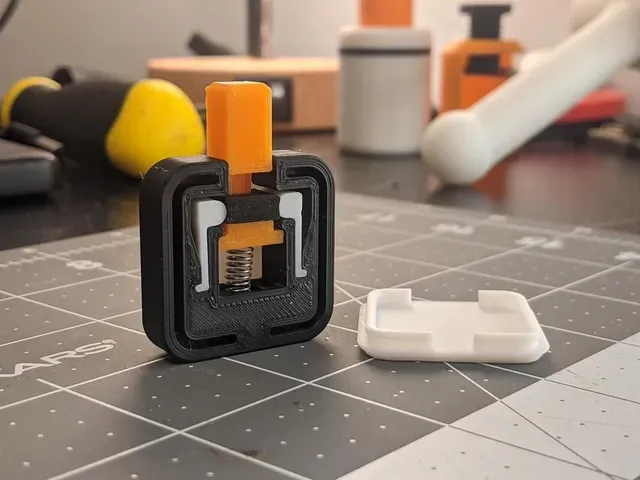
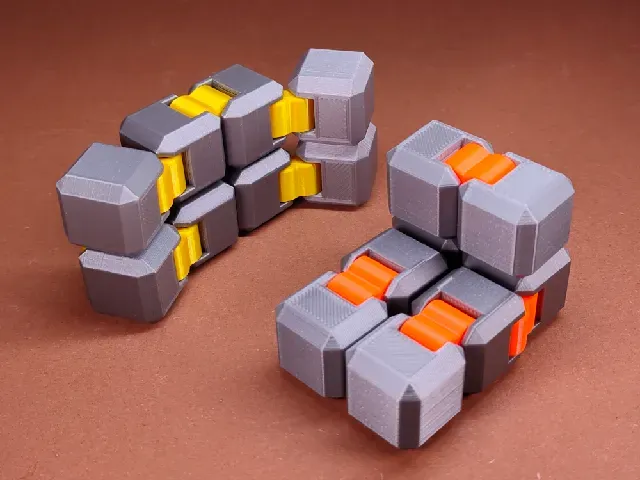
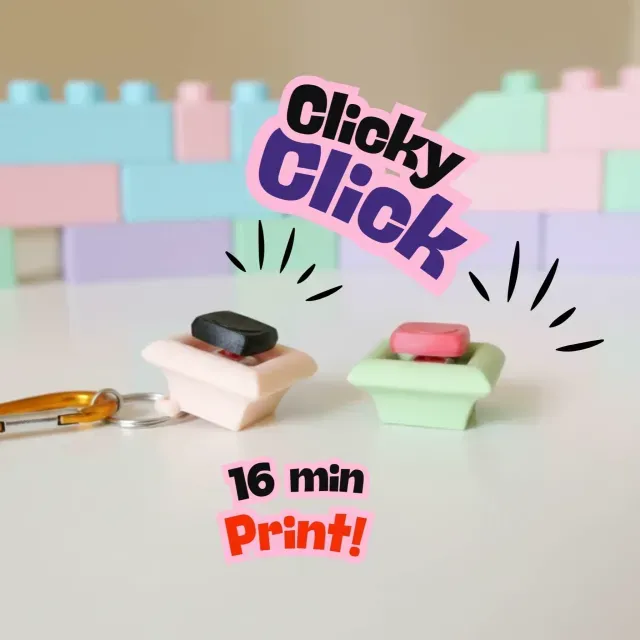
The models split into a few families. Simple clickers and push buttons rely on a flexible arm or a dome that snaps back after each press. Mechanical switch and ratchet designs use a spring, a sliding pin or a toothed wheel to produce the sound and the resistance. Print-in-place spinners and cubes combine rotation with a click, while keychain and charm versions shrink the same mechanism to a few centimetres.
When choosing a model, read the author's page rather than the preview image. Check the size and scale, the number of separate parts, whether supports are needed, and whether the mechanism is printed assembled or glued afterwards. The material and settings the author lists matter here: a click depends on small gaps and thin flexing elements, so layer height and clearance between moving surfaces decide whether the part works. Photos of real prints show how the mechanism looks after assembly.
If the results are too narrow, try related wording. Terms such as fidget, clicker, switch, button, ratchet, snap and print-in-place describe overlapping ideas, and searching for a mechanism instead of an object often returns more. You can also widen by theme, for example seasonal or animal-shaped click toys, or narrow by size, such as keychain or desk-sized versions.

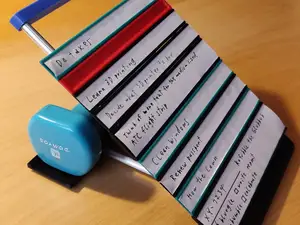
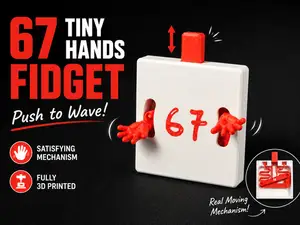


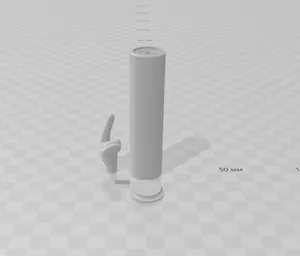
Le catalogue complet des thèmes, de la maison à la CNC, avec une recherche sur tous les sites connectés.