

Gratuit 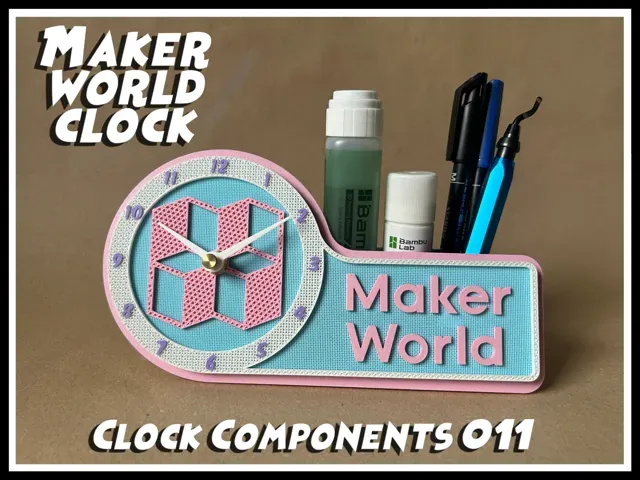
Clock Components 011 - Maker World Clock
MakerWorld
This collection gathers clock models made for 3D printing, from escapement-driven mechanisms to flat wall faces and desk-sized novelties. It is useful if you want a working movement, a decorative face, or spare parts for a build you already started. Many entries are shared as STL sets, so you can scale or split them for your 3D printer. Polyzon does not confirm whether models are free, their price, license, official status, affiliation, safety or fitness. Check the current terms at the source.
Le texte de cette collection est rédigé en anglais ; la recherche, elle, fonctionne dans toutes les langues.
 Une collection Polyzon · 48 modèles sur 8 plateformes
Polyzon compose cette collection à partir des résultats de recherche des plateformes connectées. Les doublons et les modèles sans aperçu sont retirés, les correspondances faibles sont placées à la fin, et le reste suit l’ordre de la recherche. Les modèles appartiennent à leurs auteurs : consultez les conditions sur la page de chaque modèle.
Règles de sélection : la rédaction de Polyzon · Texte mis à jour le 14/10/2026


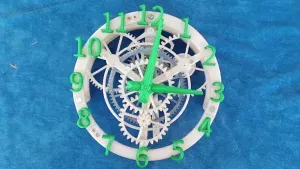


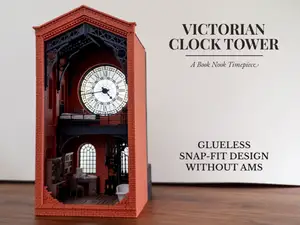


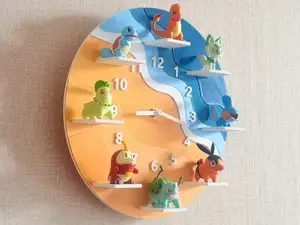

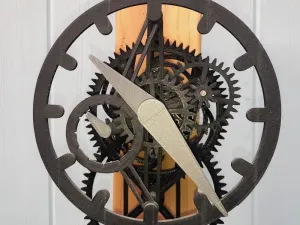
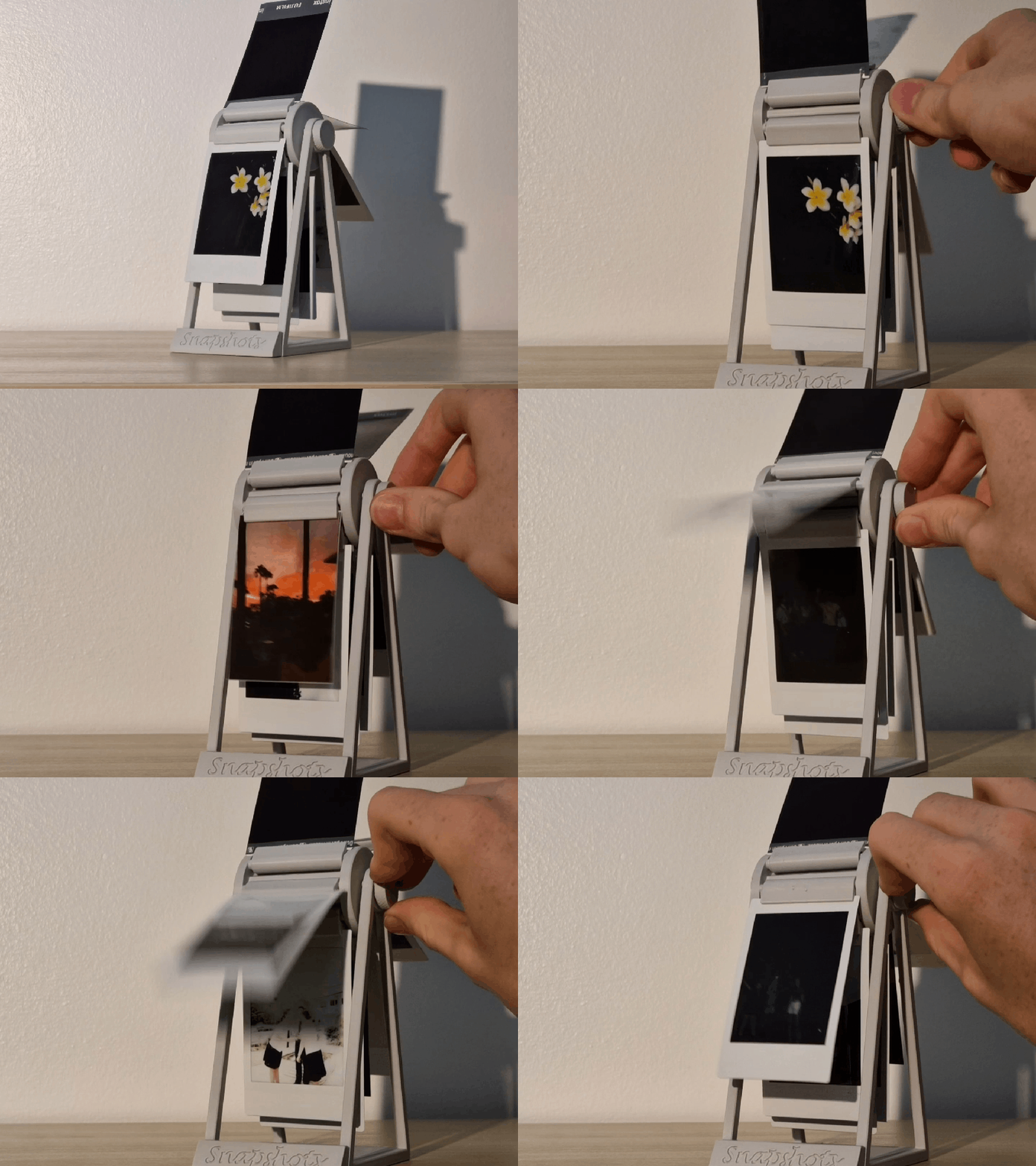


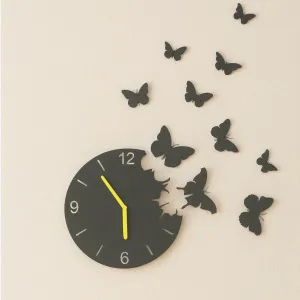


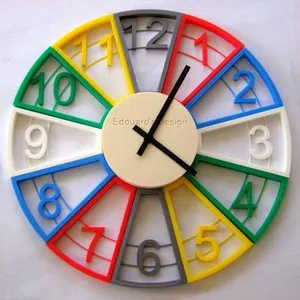

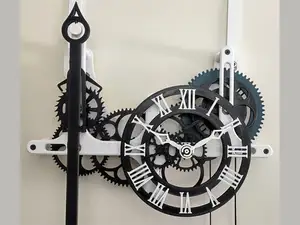

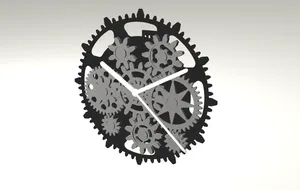
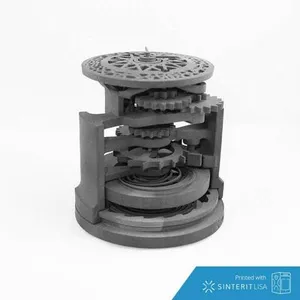


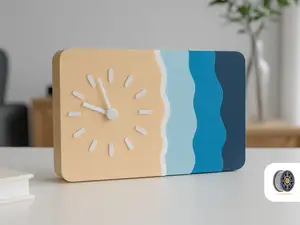

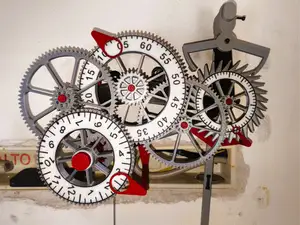

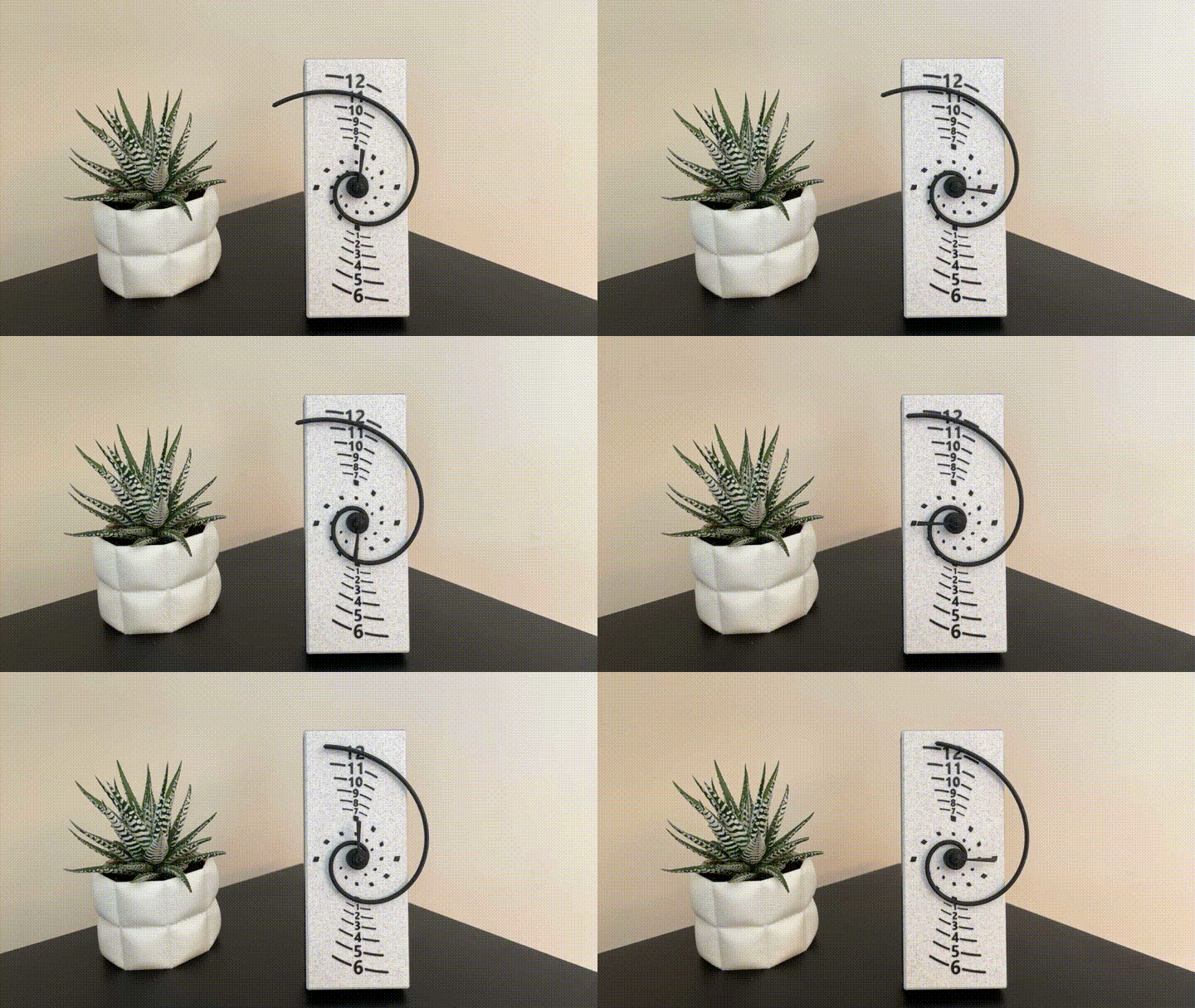


Mechanical designs form one group: they include gears, an anchor or tourbillon escapement, and often a pendulum, so the model is judged by how the parts interact rather than by the face alone. Wall clocks are usually simpler, printed as a dial with hands and a mount, and some titles mention recycled filament, which changes surface finish. A third group covers themed faces and desk pieces such as flip or wandering-hour displays, where the housing and the mechanism are printed together.
Before printing, read the author's page for the part count, the scale in millimetres, and whether supports are needed on overhangs. Check the hardware list: many clocks expect a quartz movement, bearings, screws or a weight, and those are not printed. Look at photos of finished prints to judge tolerances on gear teeth, then decide on layer height and material based on what the author lists.
If the results feel narrow, try related wording: pendulum, escapement, gear train, clockwork, or movement instead of clock. Searching by placement helps too, for example desk, wall or tower, and by style such as vintage, modern or character-themed. Combining a mechanism term with a size term usually narrows the list faster than one broad word.


Le catalogue complet des thèmes, de la maison à la CNC, avec une recherche sur tous les sites connectés.

