
Gratuit 
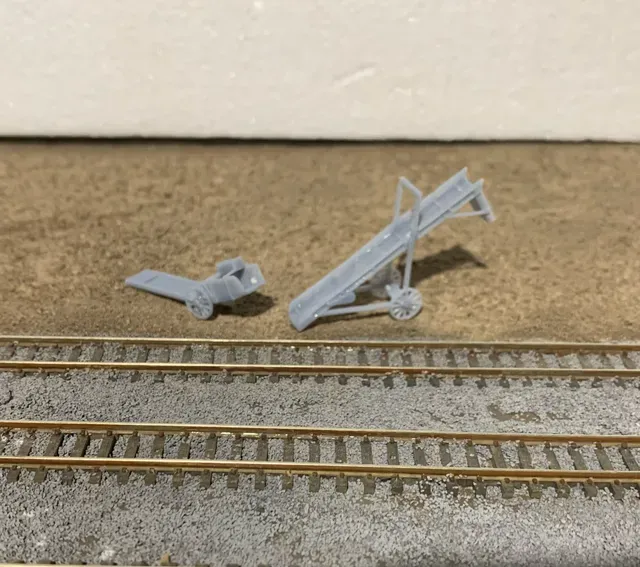
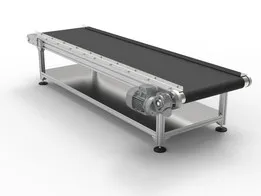
CONVEYOR MOTORIZED HO SCALE
Thingiverse
This collection gathers 3D models built around coal handling: scale railway conveyors and tipples, mining figures, modular belt sections and industrial details. Most files are meant for 3D printing on a home 3D printer, in scales that range from model railway layouts to tabletop terrain. It is useful when you need a structure that matches an existing track, diorama or game board rather than a standalone ornament. Polyzon does not confirm whether models are free, their price, license, official status, affiliation, safety or fitness. Check the current terms at the source.
Le texte de cette collection est rédigé en anglais ; la recherche, elle, fonctionne dans toutes les langues.
 Une collection Polyzon · 43 modèles sur 4 plateformes
Polyzon compose cette collection à partir des résultats de recherche des plateformes connectées. Les doublons et les modèles sans aperçu sont retirés, les correspondances faibles sont placées à la fin, et le reste suit l’ordre de la recherche. Les modèles appartiennent à leurs auteurs : consultez les conditions sur la page de chaque modèle.
Règles de sélection : la rédaction de Polyzon · Texte mis à jour le 12/10/2026



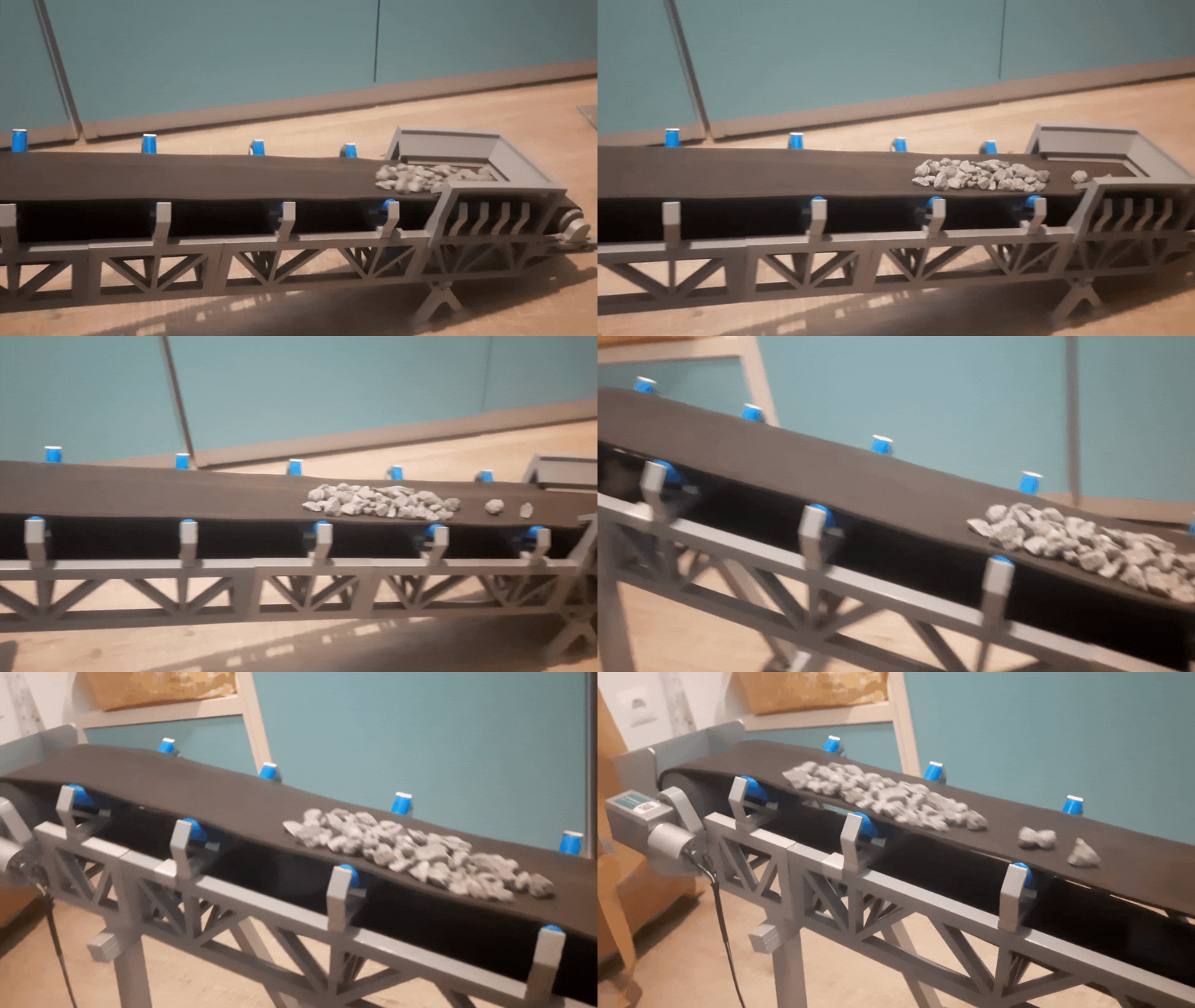

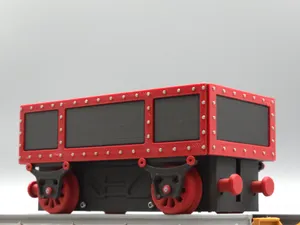

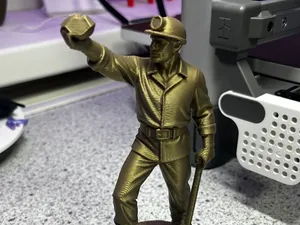


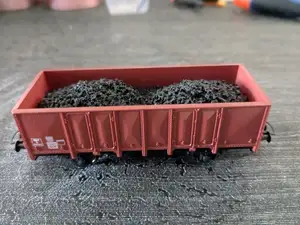

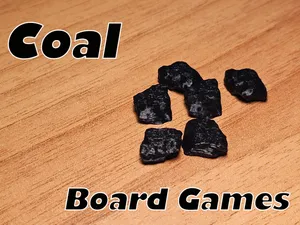



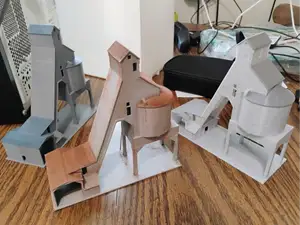

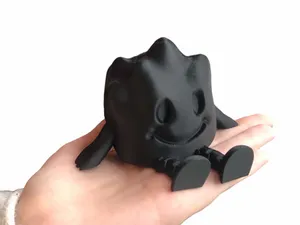

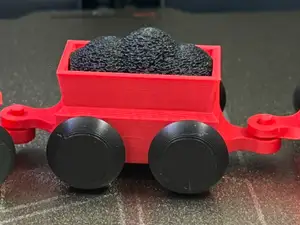

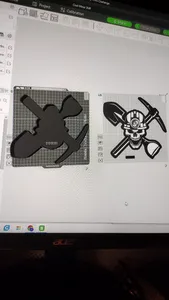

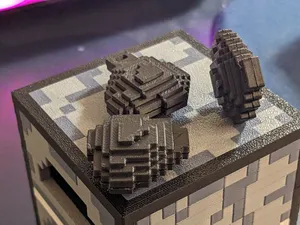

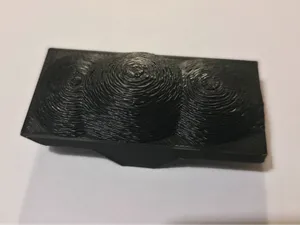

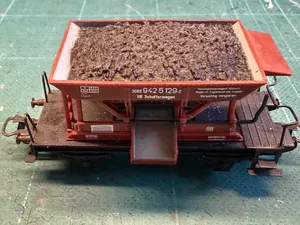

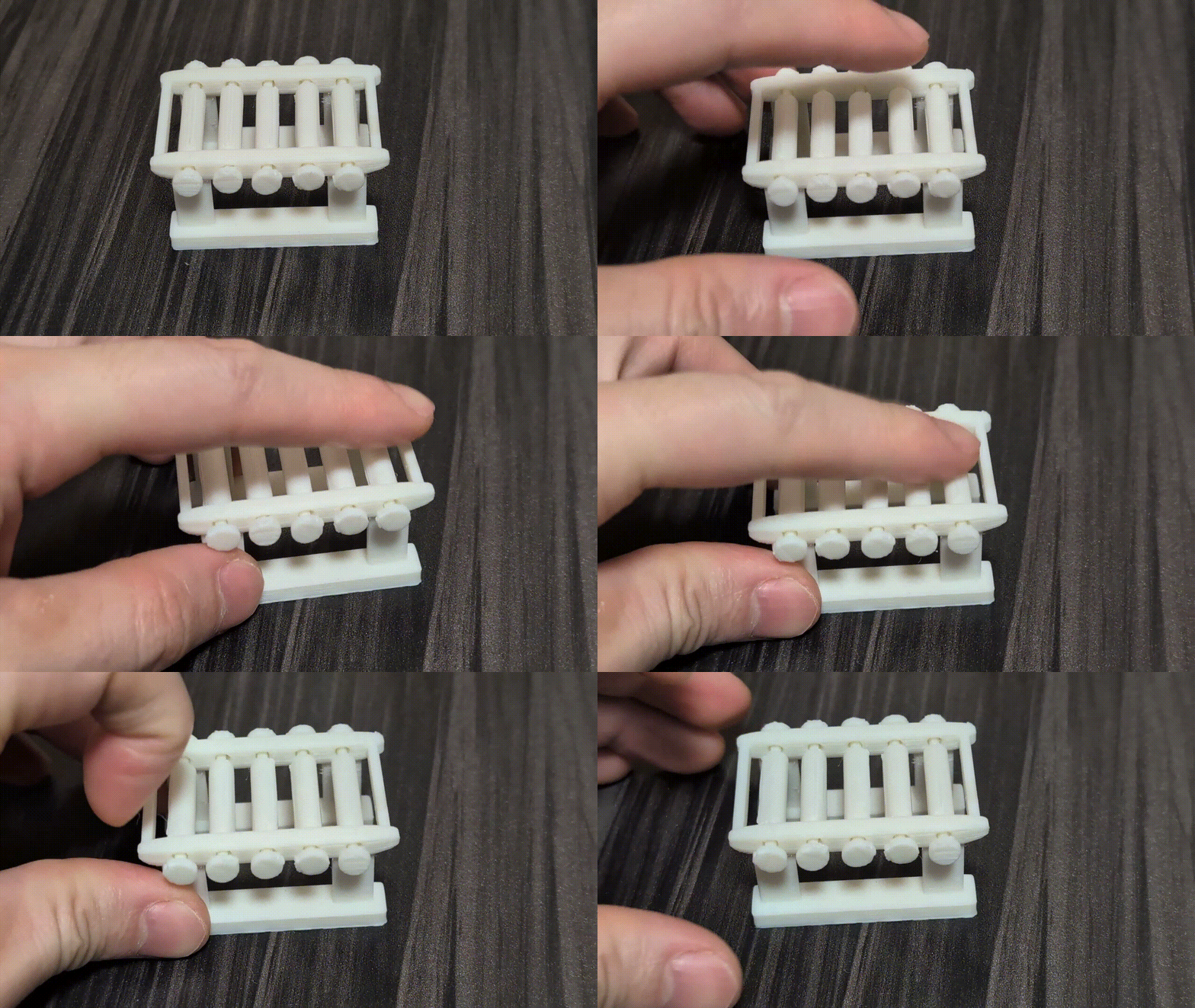

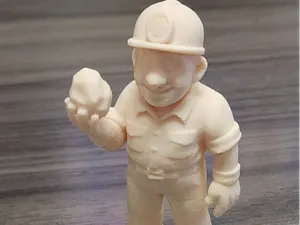

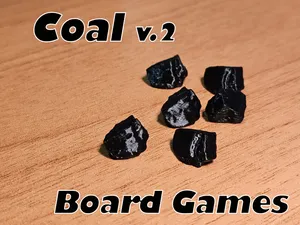

The reference mixes several sizes of the same idea. Model railway pieces dominate: conveyors, tipples and loaders sized for a layout, where the track gauge sets the proportions of everything around them. Alongside them sit mining figures and machinery, belt sections joined with magnets or pins, and small industrial structures such as chimneys and coal loads. Tabletop and board-game versions reuse the same shapes at a smaller size, so a part that reads well on a gaming base can look coarse on a layout.
Before printing, open the author's model page and check the listed dimensions and scale, the number of separate parts, and whether the model is assembled from several pieces. Look at how the belt and frame are split, since long spans are often cut into sections that print flat. The material and settings the author lists matter as much as the geometry: thin railings and fine mesh behave differently in resin and in filament. Photos of real prints show how joints and thin edges came out.
Search terms around this topic are not fixed. Conveyor, belt, tipple, flood loader, headhouse and transfer tower all describe parts of the same material-handling setup, and scale tags narrow the results quickly. Related searches include mining equipment, coal wagon, industrial diorama and modular conveyor. Combining a structure word with a scale word usually returns a shorter, more relevant list than one broad term.




Le catalogue complet des thèmes, de la maison à la CNC, avec une recherche sur tous les sites connectés.