Gratuit 
CONDUCTOR LDSP 16/18MM
Thingiverse
This collection gathers 3D models that use the word conductor in several different senses: musical figures and batons, train crew miniatures, drilling jigs, and electrical or duct parts. It helps when you are looking for one specific meaning of the term and want to see what other makers have prepared for 3D printing. Many entries are small STL files meant for a diorama, a model layout or a workshop task. Polyzon does not confirm whether models are free, their price, license, official status, affiliation, safety or fitness. Check the current terms at the source.
Le texte de cette collection est rédigé en anglais ; la recherche, elle, fonctionne dans toutes les langues.
 Une collection Polyzon · 48 modèles sur 7 plateformes
Polyzon compose cette collection à partir des résultats de recherche des plateformes connectées. Les doublons et les modèles sans aperçu sont retirés, les correspondances faibles sont placées à la fin, et le reste suit l’ordre de la recherche. Les modèles appartiennent à leurs auteurs : consultez les conditions sur la page de chaque modèle.
Règles de sélection : la rédaction de Polyzon · Texte mis à jour le 14/10/2026



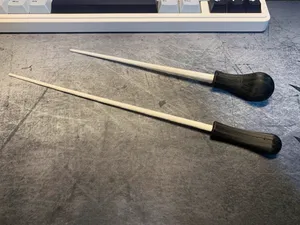


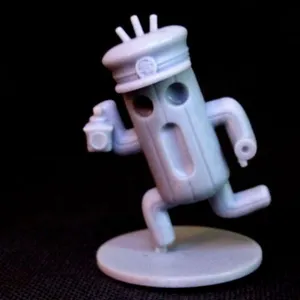

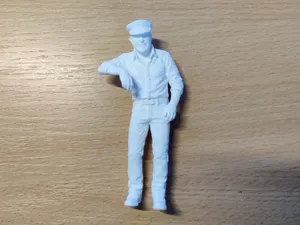

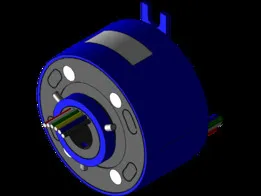

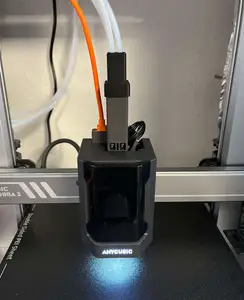

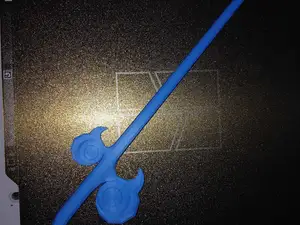


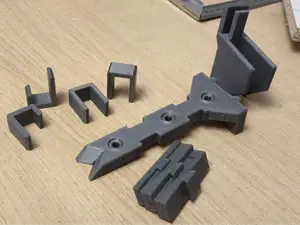


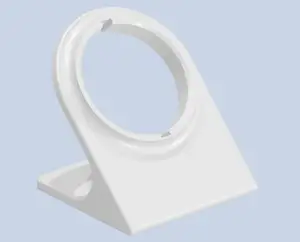


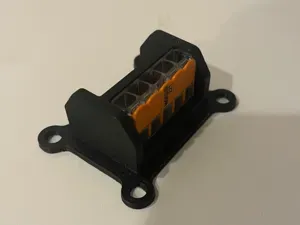


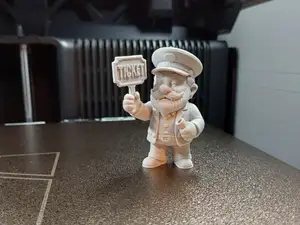
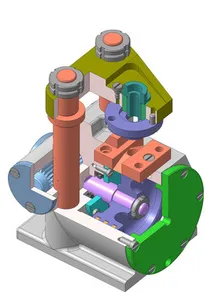

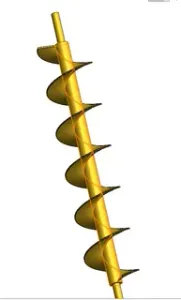
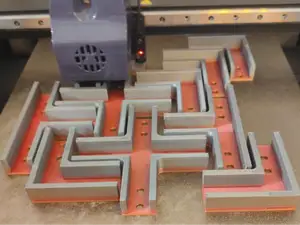
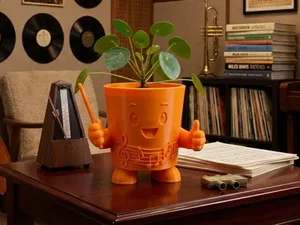

The musical side covers figures of conductors and baton-like pointers, often modeled as display pieces or as parts of a small scene. The railway and diorama side is dominated by seated or standing crew figures, drivers and passengers at scales used for layouts and scale vehicles. A third group is technical: drilling and assembly jigs that share the same word in several languages, plus conductive parts, lightning conductor markers and modular duct sections.
When choosing a model, look at the scale or dimensions stated on the author's page, since figures for a layout and jigs for a workshop follow very different size conventions. Check how many parts the file contains, whether the author shows an assembled version, and whether supports are mentioned for overhanging shapes such as arms, hats or thin batons. Material and print settings listed by the author are worth reading before you slice, especially for thin rods and small facial details.
If your first search gives mixed results, add a qualifier: musical, baton, railway, scale figure, jig, duct or marker. Related terms such as maestro, orchestra, train crew, diorama figure, drilling template or air adapter can surface models that the single word misses. Browsing a category like miniatures, tools or vehicles often works better than repeating the same query.


Le catalogue complet des thèmes, de la maison à la CNC, avec une recherche sur tous les sites connectés.

