Gratuit 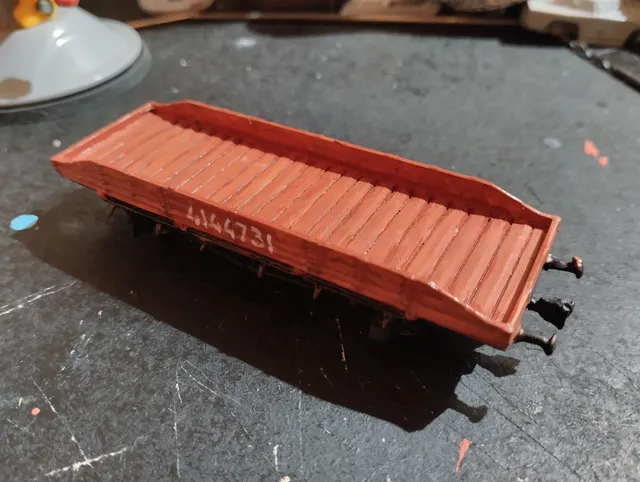
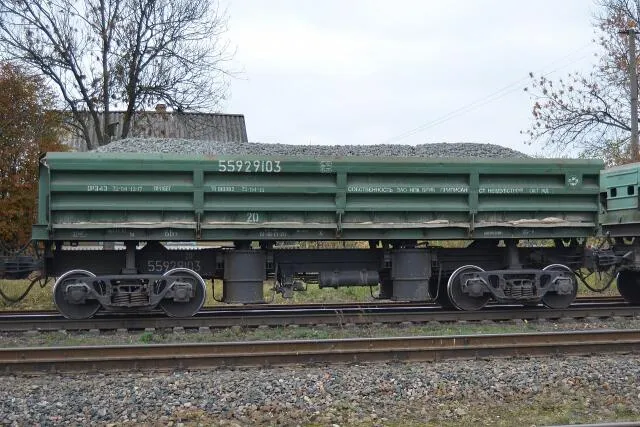
старый двухосный вагон-платформа
3DToday
This collection gathers 3D models of railway wagons and carriages, from passenger coaches and double-deckers to hoppers, refrigerator cars and covered goods wagons. Many entries are built to a stated scale or track gauge, so the same subject can appear as a display piece or as part of a running train. It is useful if you already print rolling stock or want to start with a single wagon in STL form. Polyzon does not confirm whether models are free, their price, license, official status, affiliation, safety or fitness. Check the current terms at the source.
Le texte de cette collection est rédigé en anglais ; la recherche, elle, fonctionne dans toutes les langues.
 Une collection Polyzon · 48 modèles sur 8 plateformes
Polyzon compose cette collection à partir des résultats de recherche des plateformes connectées. Les doublons et les modèles sans aperçu sont retirés, les correspondances faibles sont placées à la fin, et le reste suit l’ordre de la recherche. Les modèles appartiennent à leurs auteurs : consultez les conditions sur la page de chaque modèle.
Règles de sélection : la rédaction de Polyzon · Texte mis à jour le 15/10/2026
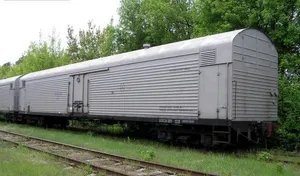
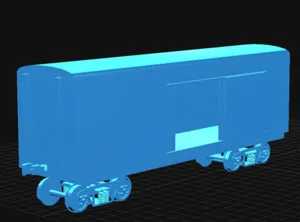
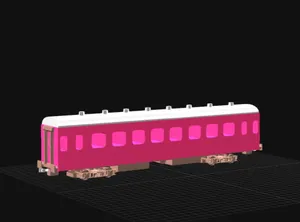

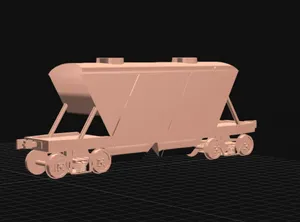
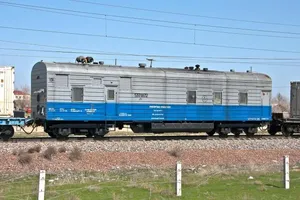
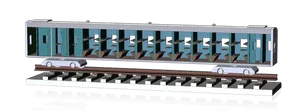
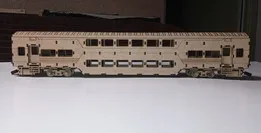
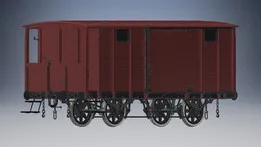
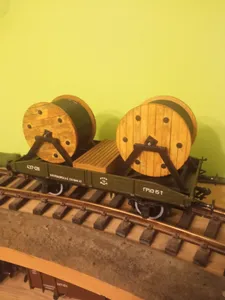
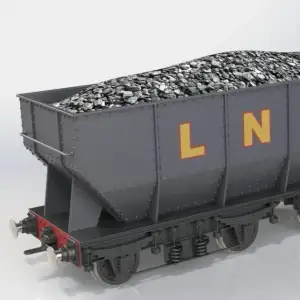
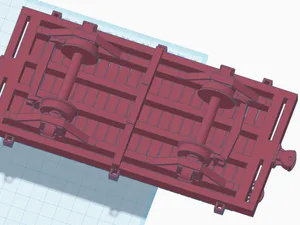
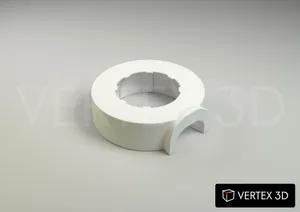
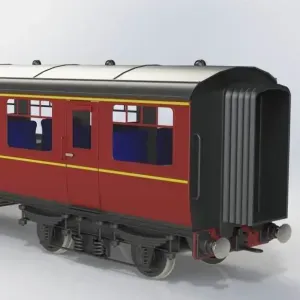
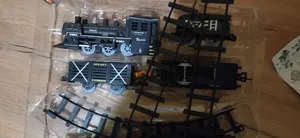
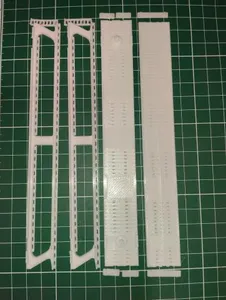
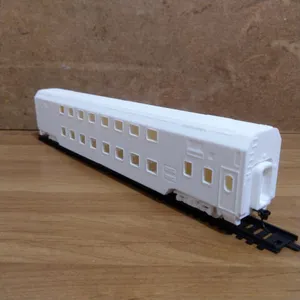
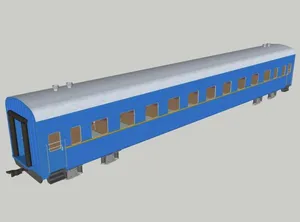
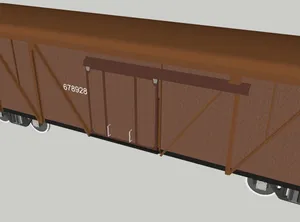
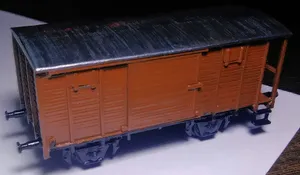
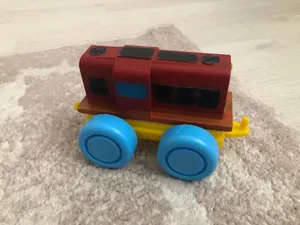

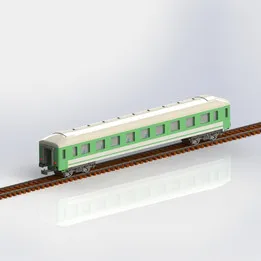

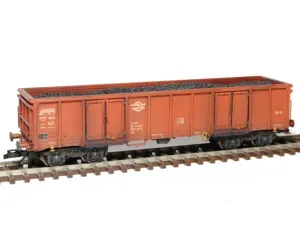
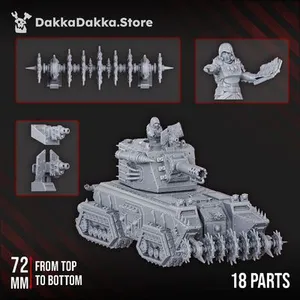


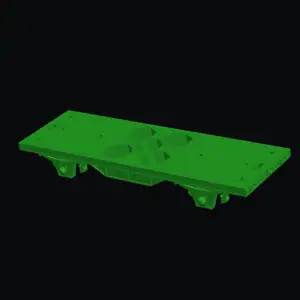

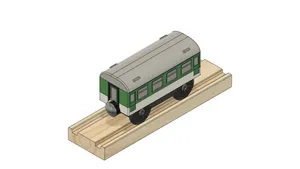
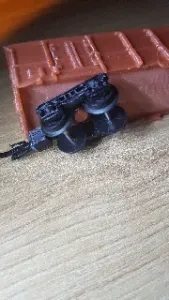
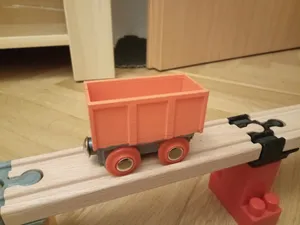

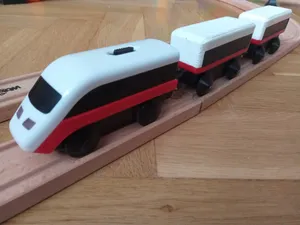
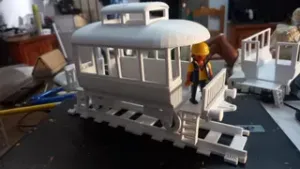
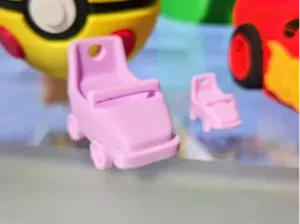

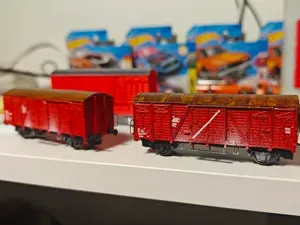
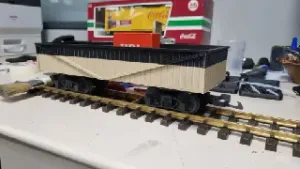
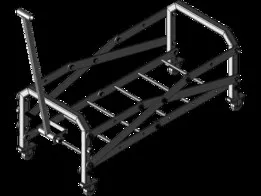
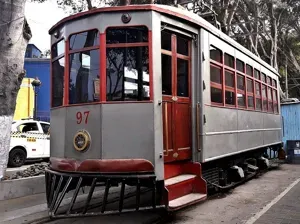
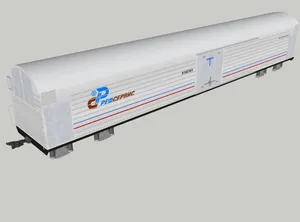
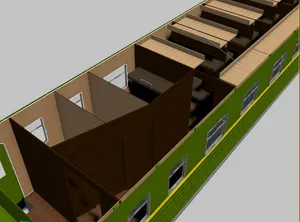
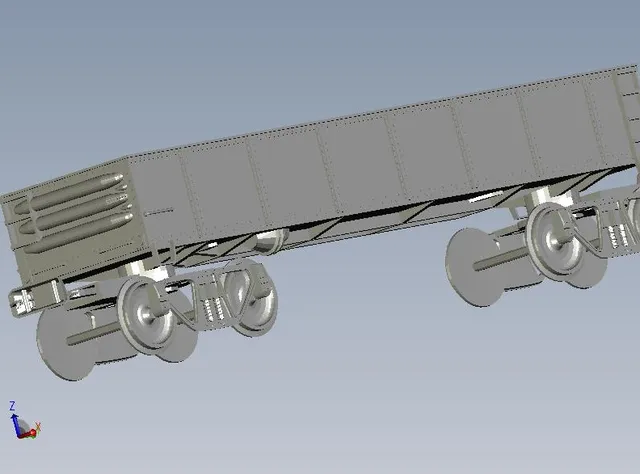
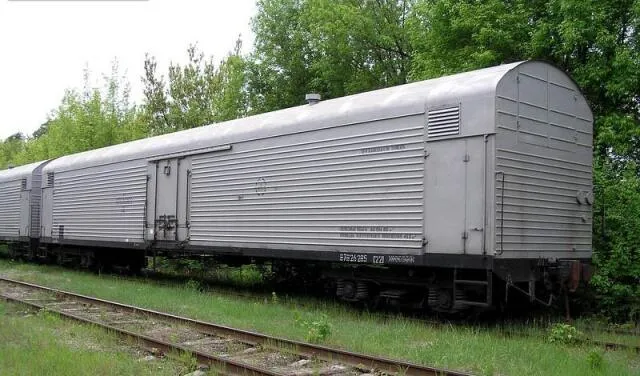
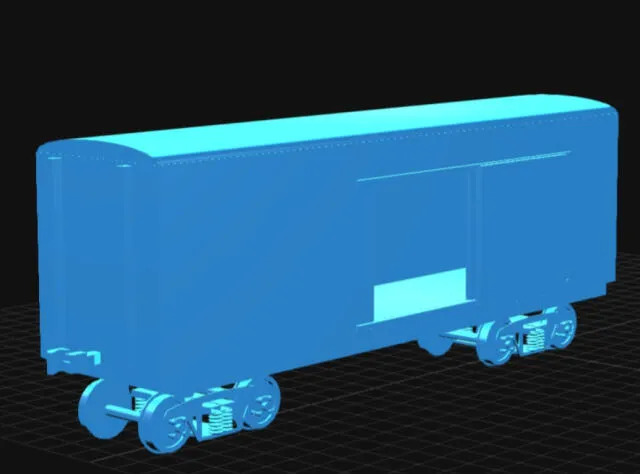
The models fall into a few broad groups. Passenger carriages range from simple compartment bodies to double-decker and long-distance layouts, while freight stock covers hoppers, refrigerator cars, flatcars and covered goods wagons. A separate group is defined by scale rather than by type: some files are drawn for a specific gauge in millimetres or for ratios such as TT or G, and toy-oriented bodies are simplified for small gauges.
Before printing, open the author's model page and read what is actually specified there. Check the scale or gauge, the overall length and height, how many separate parts are included, and whether the body, bogies, wheels and couplers are one piece or several. Look at the material and settings the author lists, whether supports are needed for the body or underframe, and any photos of real prints, since these show how the roof, windows and underframe details come out.
If the first results are too narrow, widen the wording. Try carriage, coach, rolling stock, freight car, flatcar, tank car or boxcar instead of wagon alone, and add the scale or gauge you work in. Related searches such as locomotive, track, bogie, wheelset and coupler often lead to models that fit the same layout, and combining a wagon type with a scale name usually narrows the list faster than a single keyword.


Le catalogue complet des thèmes, de la maison à la CNC, avec une recherche sur tous les sites connectés.