Gratuit 
Coffee dispenser
Thingiverse
This collection gathers STL files for coffee dispensers of several kinds: instant and ground coffee hoppers, capsule and pod holders, jar adapters and cup stacks. The models differ mainly in how the coffee is stored and how much comes out per turn. It is useful if you want a 3D printer to replace a loose scoop or a scattered pile of capsules on the counter. Polyzon does not confirm whether models are free, their price, license, official status, affiliation, safety or fitness. Check the current terms at the source.
Le texte de cette collection est rédigé en anglais ; la recherche, elle, fonctionne dans toutes les langues.
 Une collection Polyzon · 46 modèles sur 4 plateformes
Polyzon compose cette collection à partir des résultats de recherche des plateformes connectées. Les doublons et les modèles sans aperçu sont retirés, les correspondances faibles sont placées à la fin, et le reste suit l’ordre de la recherche. Les modèles appartiennent à leurs auteurs : consultez les conditions sur la page de chaque modèle.
Règles de sélection : la rédaction de Polyzon · Texte mis à jour le 13/10/2026
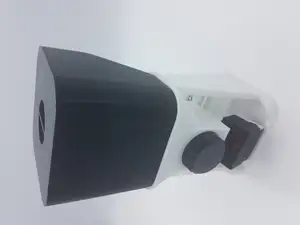
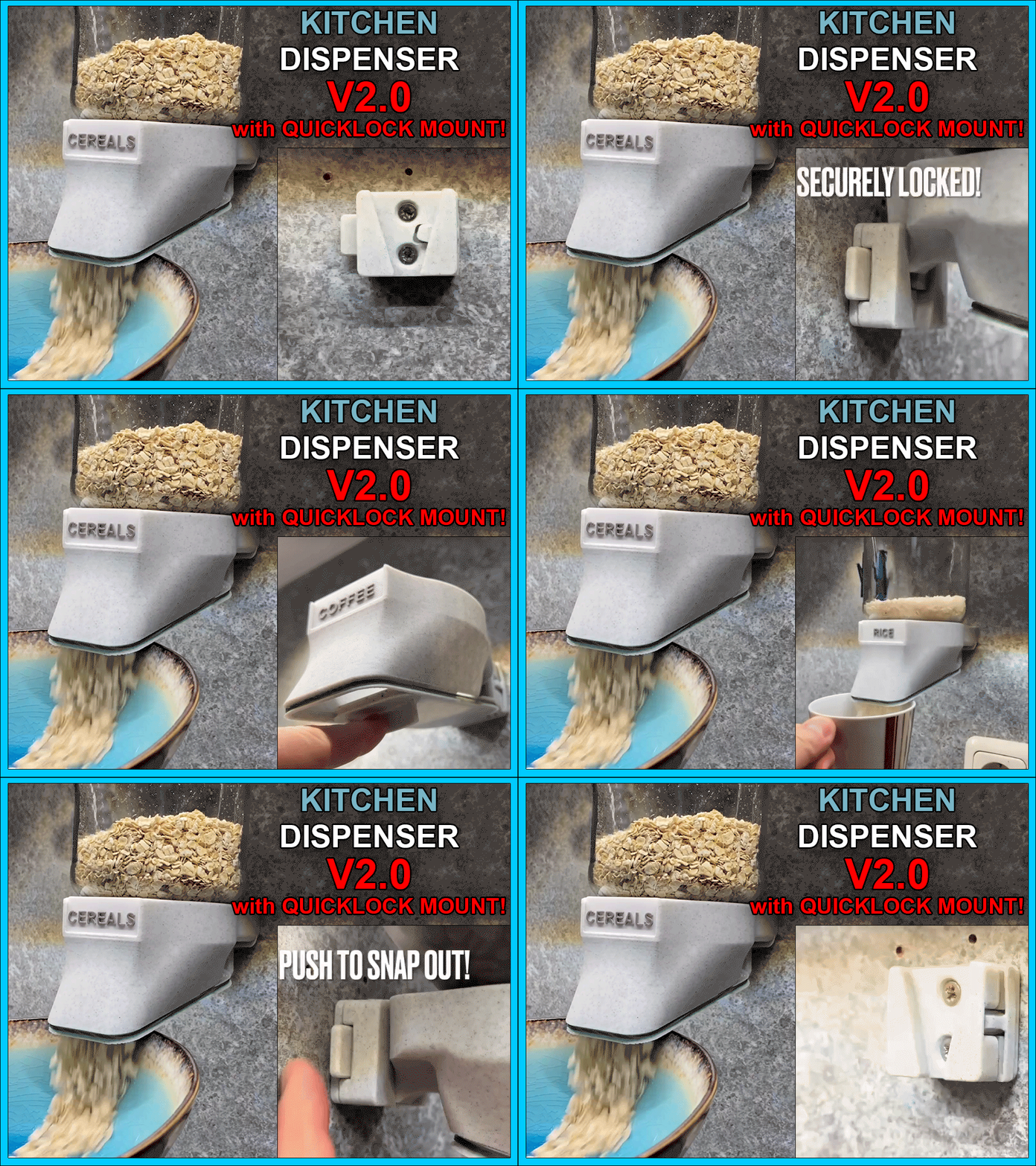


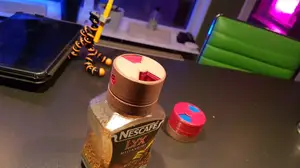
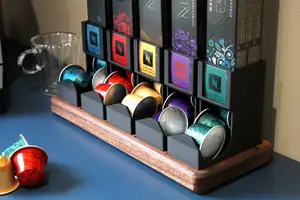
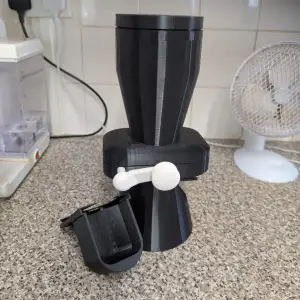


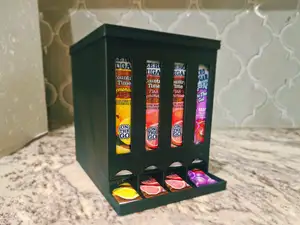
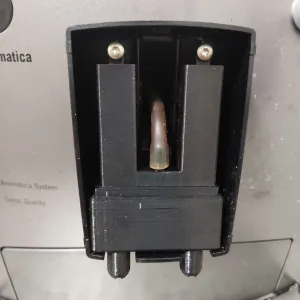


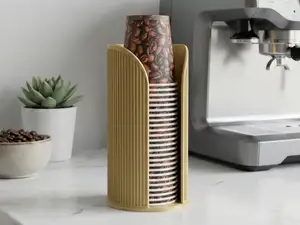
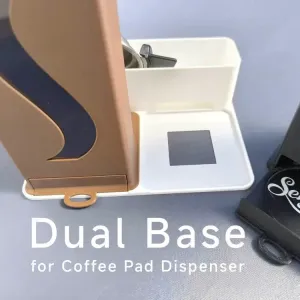

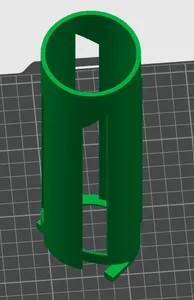
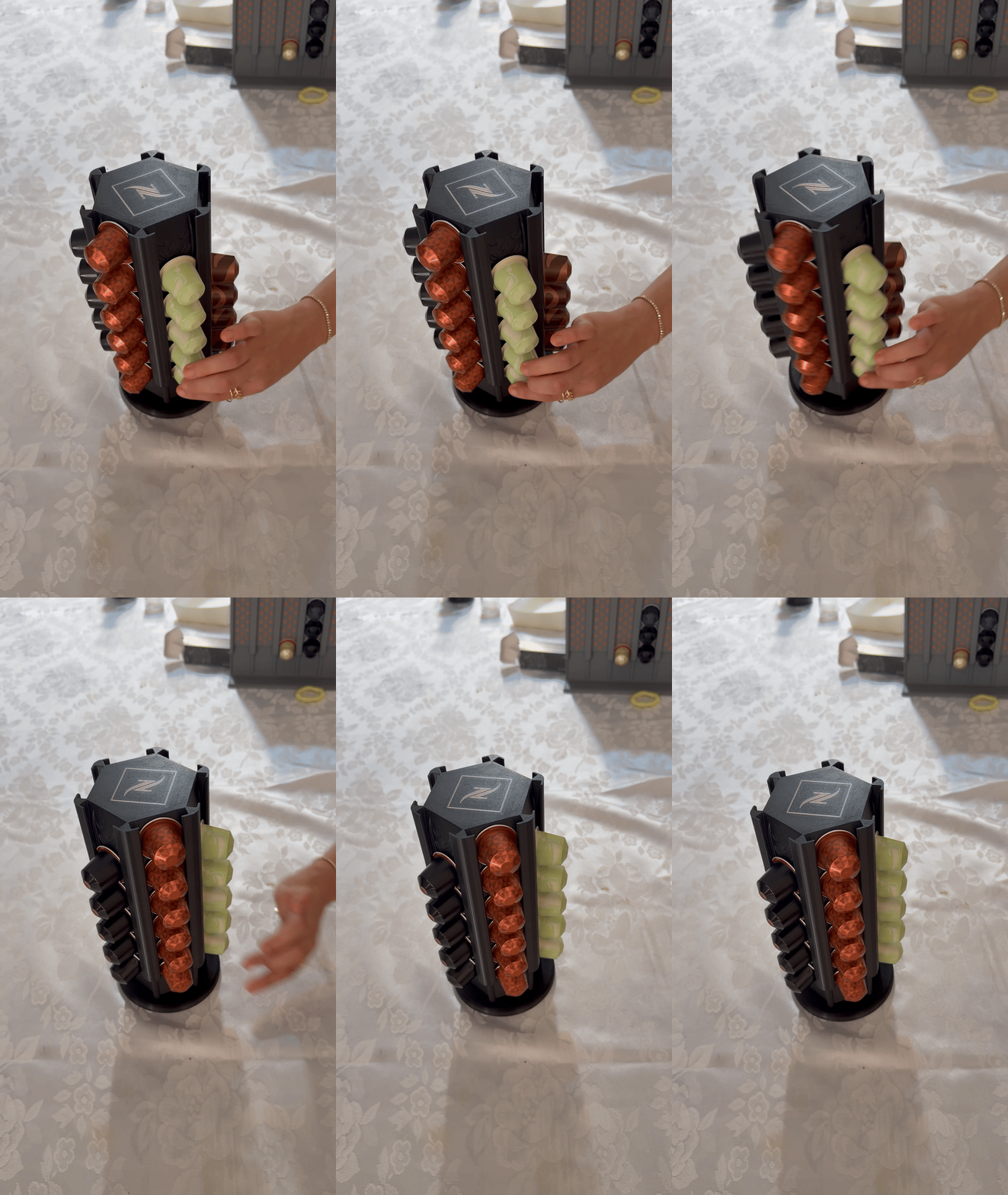

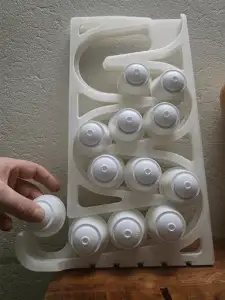
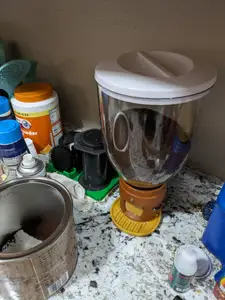
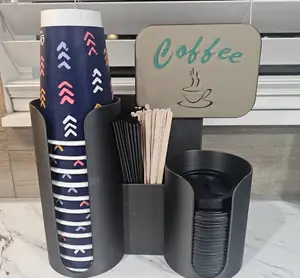
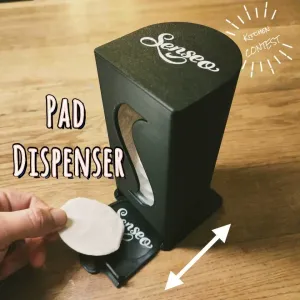


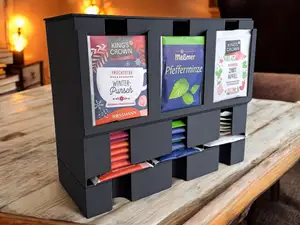
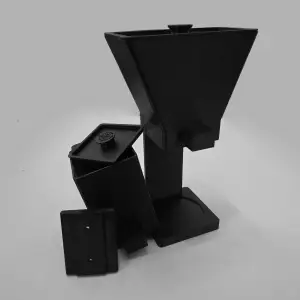



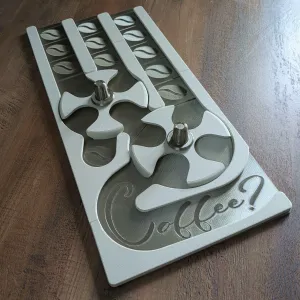


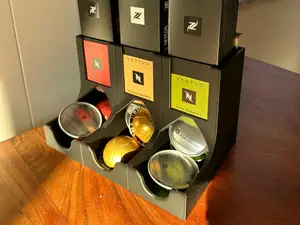
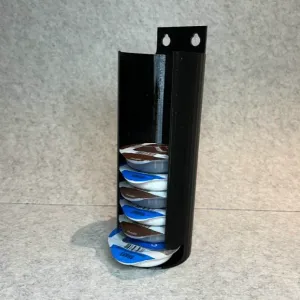


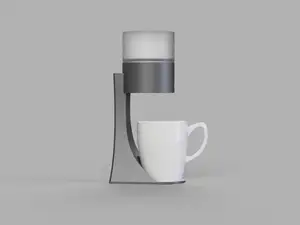
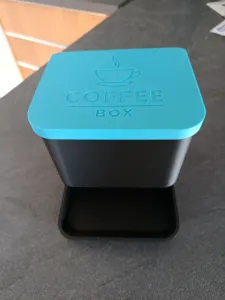
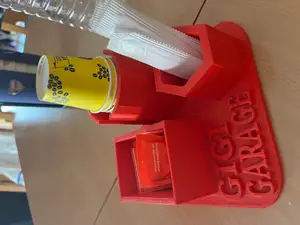

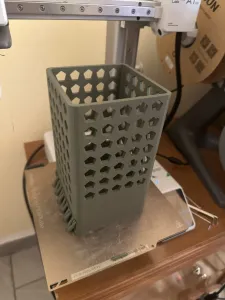
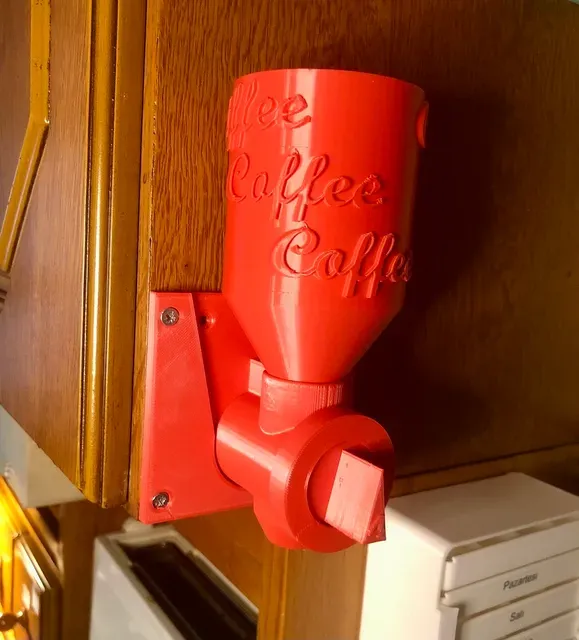
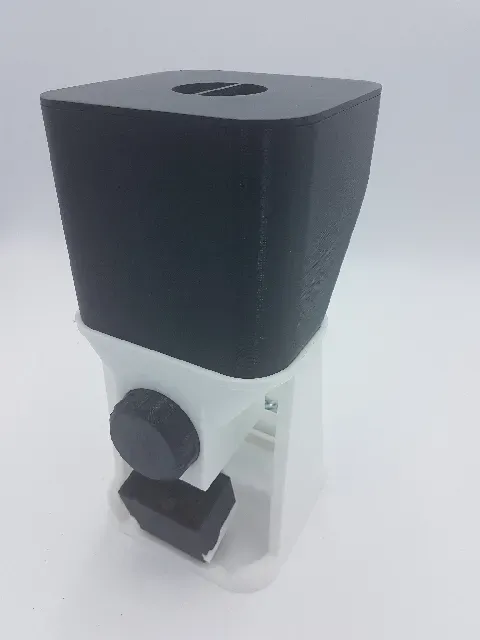
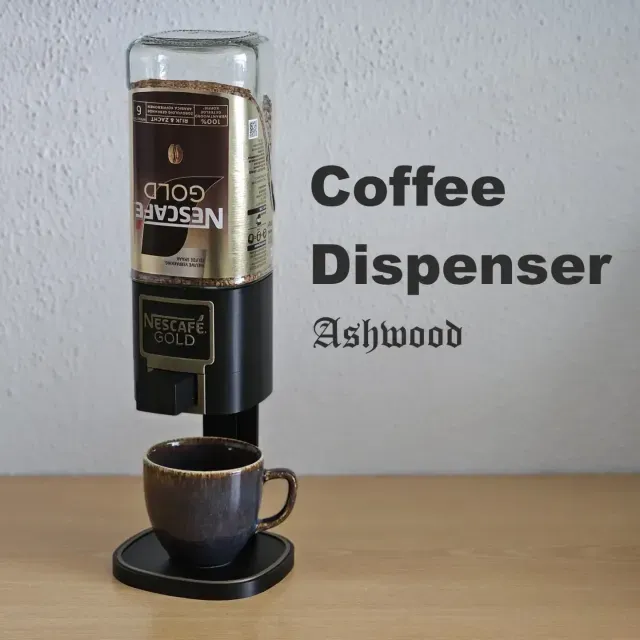
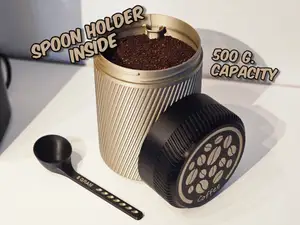
The most common group is gravity-fed dispensers for instant or ground coffee, where a container sits above an opening and a rotating or sliding part releases a portion. A second group is built around a specific jar or bottle, so the dispenser replaces the original lid and threads onto it. Capsule and pod versions usually work as a rack or a chute that feeds one capsule at a time, and cup dispensers hold a stack that drops from the bottom.
Before printing, look at the dimensions the author lists and compare them with the container or capsules you actually have, since a small difference in diameter decides whether the part fits. Check how many separate parts the model contains and how they join, whether the mechanism needs extra items such as screws, springs or bearings, and whether the author reports supports. Material and settings matter for parts that rub against each other, and photos of real prints show how the dosing opening behaves in practice.
If the results are too narrow, try related wording: portioner, hopper, dosing lid, capsule holder, pod rack, jar adapter, or the type of coffee you use, such as instant, ground or pads. Searching by the container you own or by the machine the dispenser sits next to often brings up closer matches. You can also combine terms like gravity-fed, wall-mounted or stackable to narrow the list further.


Le catalogue complet des thèmes, de la maison à la CNC, avec une recherche sur tous les sites connectés.