
Gratuit 
Rain world rot/dll keychain
Thingiverse
This collection gathers DLL-related 3D models that range from articulated figures and small keychains to calibration towers, vacuum adapters and prop parts. It is useful when you want a starting point for 3D printing and a quick way to compare how different authors describe their STL files. Polyzon does not confirm whether models are free, their price, license, official status, affiliation, safety or fitness. Check the current terms at the source.
Le texte de cette collection est rédigé en anglais ; la recherche, elle, fonctionne dans toutes les langues.
 Une collection Polyzon · 48 modèles sur 4 plateformes
Polyzon compose cette collection à partir des résultats de recherche des plateformes connectées. Les doublons et les modèles sans aperçu sont retirés, les correspondances faibles sont placées à la fin, et le reste suit l’ordre de la recherche. Les modèles appartiennent à leurs auteurs : consultez les conditions sur la page de chaque modèle.
Règles de sélection : la rédaction de Polyzon · Texte mis à jour le 15/10/2026

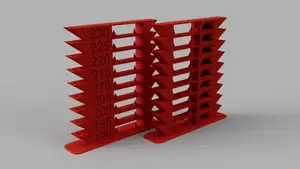



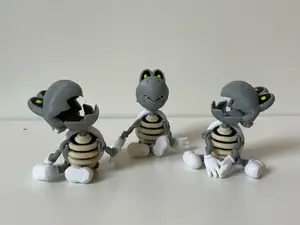


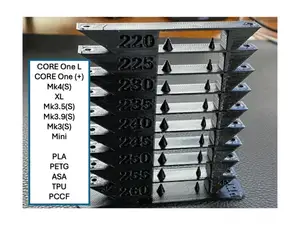
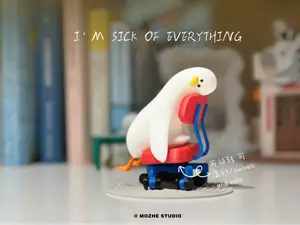


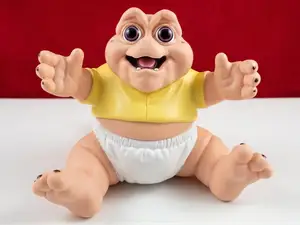

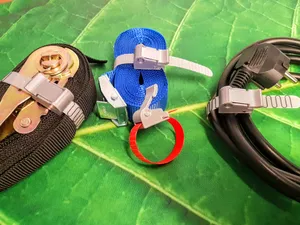
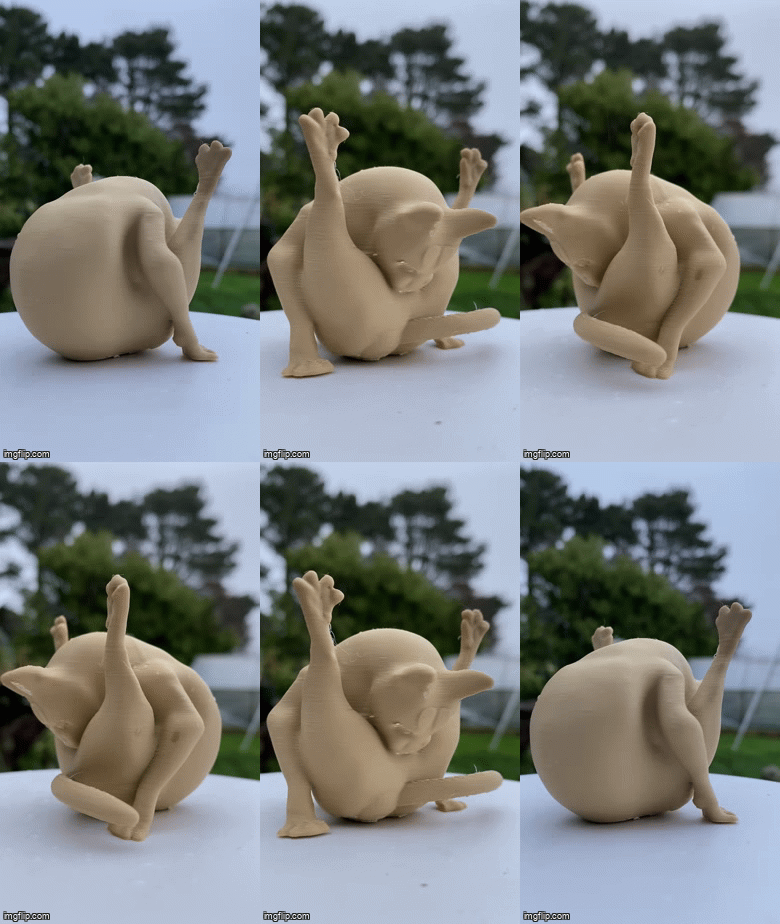


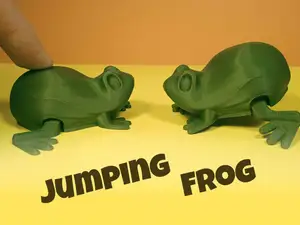



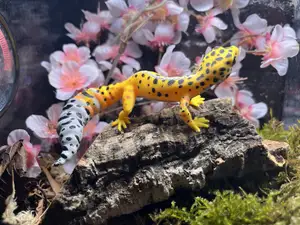





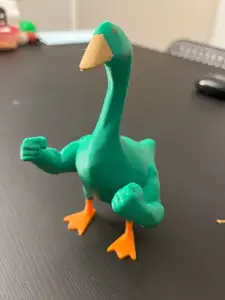

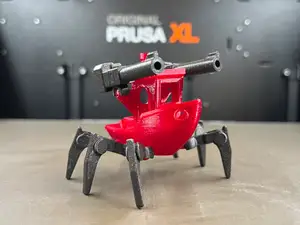



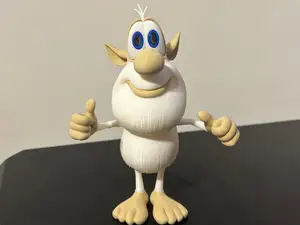

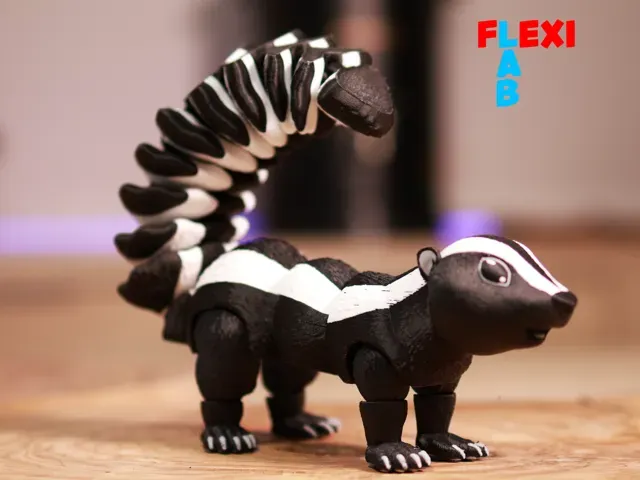
The kinds of models here differ a lot in purpose. Articulated and flexi figures are printed as moving assemblies, often in one piece, while calibration towers and all-in-one test prints are made to be run once and read rather than displayed. Vacuum adapters and nozzles are practical parts sized around hose diameters, and prop replicas or keychains sit closer to decorative printing.
When choosing a model, open the author's page and read the details rather than the thumbnail. Check the stated size and scale, the number of separate parts and how they join, whether supports are needed, and which material and settings the author lists. Photos of real prints show more about surface quality and moving joints than a render does.
To narrow the search, try synonyms and related terms instead of a single phrase: articulated, flexi, print-in-place, ball-jointed, or hinge for figures; temperature tower, bridging test, retraction test or bed level test for calibration; hose adapter, nozzle reducer or vacuum attachment for workshop parts. Combining a subject word with a printing word usually returns a shorter, more relevant list.
If you plan to scale a model, keep in mind that clearances, wall thickness and joint gaps change with it, so a resized part may no longer match the original intent. For test prints, use the material and temperature range the author names, and note that results depend on your own 3D printer, nozzle and filament.



Le catalogue complet des thèmes, de la maison à la CNC, avec une recherche sur tous les sites connectés.

