
Gratuit 
Holder for Electrodes
Thingiverse
This collection gathers 3D printing files built around electrodes: welding holders and pens, storage containers for tungsten, grinding attachments, and small parts for medical or laboratory setups. It is useful when you need a specific jig or mount that is hard to find as an off-the-shelf item. Each listing links to a source page where you can read the details before downloading an STL. Polyzon does not confirm whether models are free, their price, license, official status, affiliation, safety or fitness. Check the current terms at the source.
Le texte de cette collection est rédigé en anglais ; la recherche, elle, fonctionne dans toutes les langues.
 Une collection Polyzon · 48 modèles sur 9 plateformes
Polyzon compose cette collection à partir des résultats de recherche des plateformes connectées. Les doublons et les modèles sans aperçu sont retirés, les correspondances faibles sont placées à la fin, et le reste suit l’ordre de la recherche. Les modèles appartiennent à leurs auteurs : consultez les conditions sur la page de chaque modèle.
Règles de sélection : la rédaction de Polyzon · Texte mis à jour le 10/10/2026
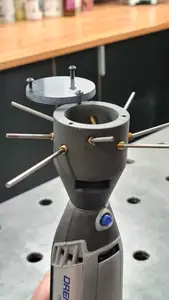


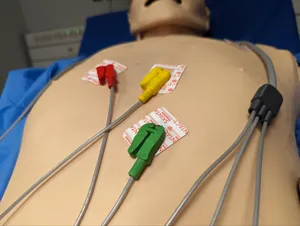


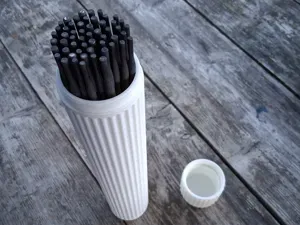


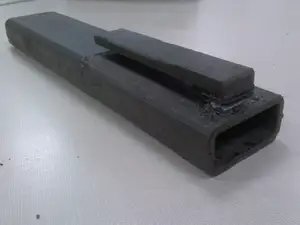
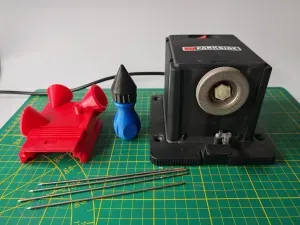


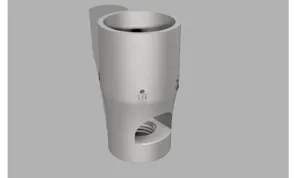
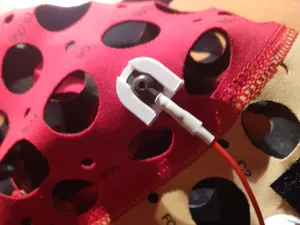
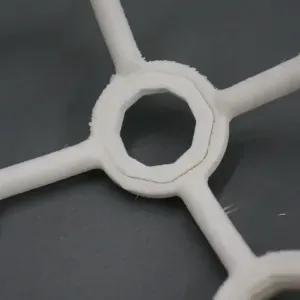

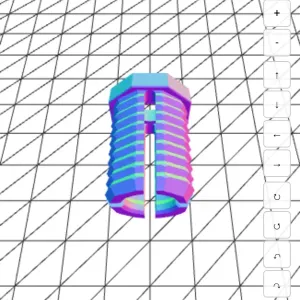
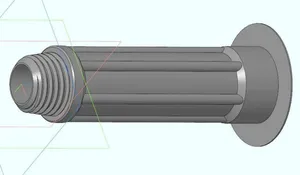
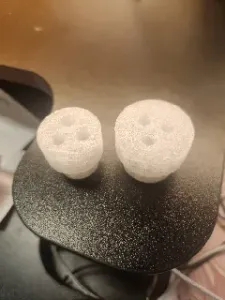


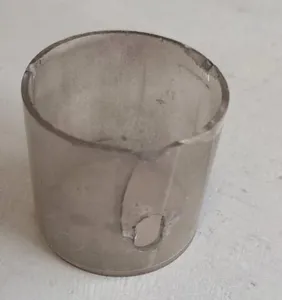
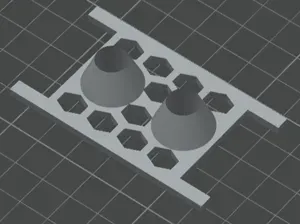
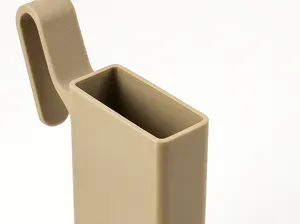


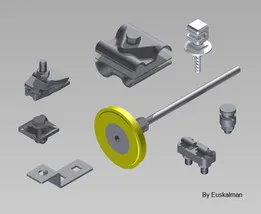

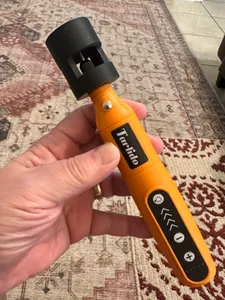
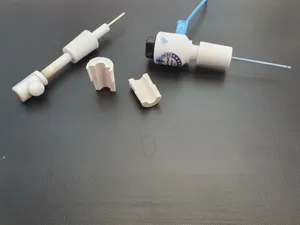

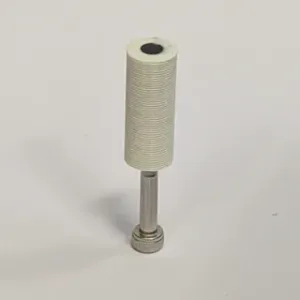
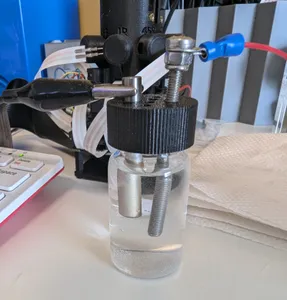
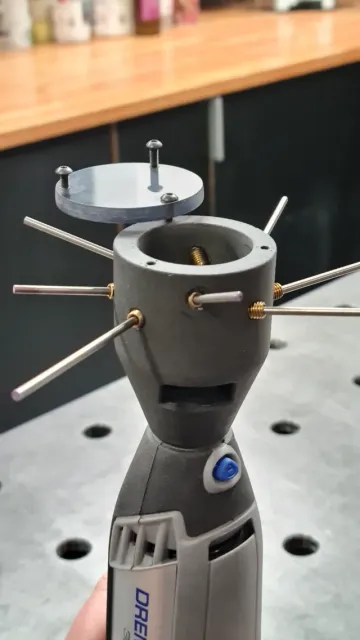
The models split roughly into two groups. One covers welding work: handles and pens that grip spot welding electrodes, stands that keep them within reach, and containers with inlays that hold tungsten rods of a given length. The other covers measurement and research: clips, separators and headset parts for ECG or EEG electrodes, plus cells and mounts that position planar electrodes during experiments.
When choosing a file, look at the dimensions first, since electrode diameters and rod lengths vary between setups. Check how many parts the model has and whether it needs assembly, screws, springs or magnets, and read what the author says about supports and orientation. Material matters too: parts that see heat or repeated clamping behave differently in PLA than in PETG, ABS or a filled filament, and the author's listed settings are the starting point rather than a guarantee.
To widen or narrow the results, try the terms used by the people who publish these files. Searching for a specific function such as electrode holder, tungsten grinder, electrode storage, ECG clip or electrochemical cell usually works better than a single generic word. Related queries like welding pen, spot welder handle, electrode stand, electrode box or lab fixture can surface variants that the first search misses, and combining a function with a size or thread standard helps filter the list.


Le catalogue complet des thèmes, de la maison à la CNC, avec une recherche sur tous les sites connectés.

