Gratuit 
Minimalist Roses - Floral Vase Decor
Thingiverse
This collection gathers nature-themed 3D models: flowers and houseplants, animal figures, forest scenes and small outdoor parts. Most files are made for FDM or resin 3D printing, and the range runs from flat decorative pieces to multi-part articulated figures. Use it as a starting point, then compare the files on the pages where they are published. Polyzon does not confirm whether models are free, their price, license, official status, affiliation, safety or fitness. Check the current terms at the source.
Le texte de cette collection est rédigé en anglais ; la recherche, elle, fonctionne dans toutes les langues.
 Une collection Polyzon · 47 modèles sur 5 plateformes
Polyzon compose cette collection à partir des résultats de recherche des plateformes connectées. Les doublons et les modèles sans aperçu sont retirés, les correspondances faibles sont placées à la fin, et le reste suit l’ordre de la recherche. Les modèles appartiennent à leurs auteurs : consultez les conditions sur la page de chaque modèle.
Règles de sélection : la rédaction de Polyzon · Texte mis à jour le 14/10/2026
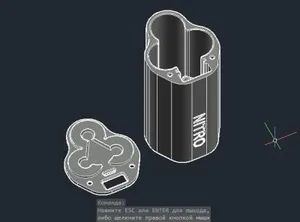

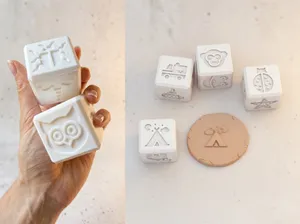
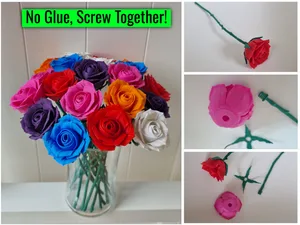
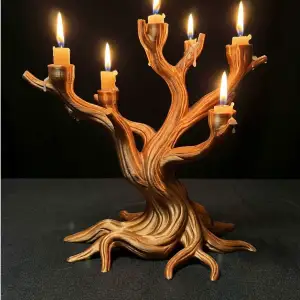


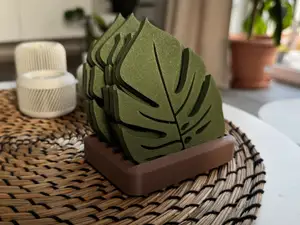
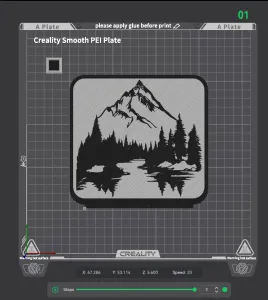


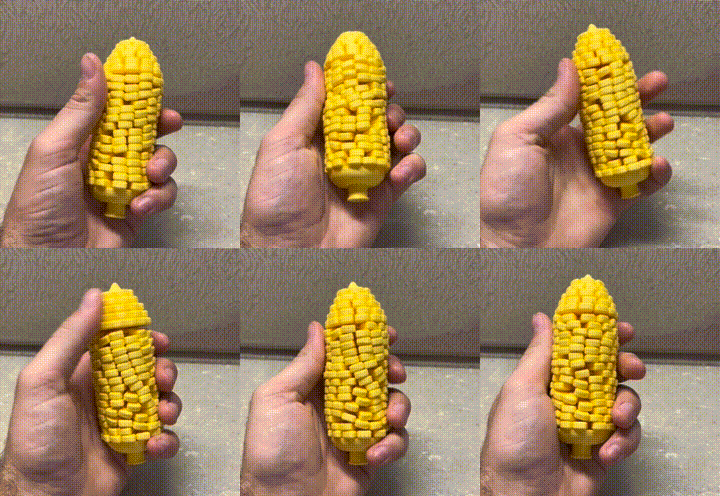
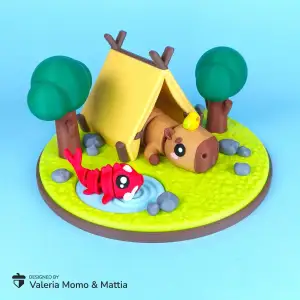


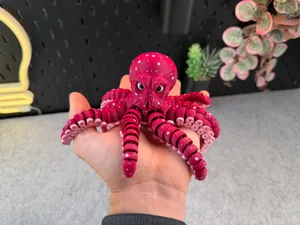
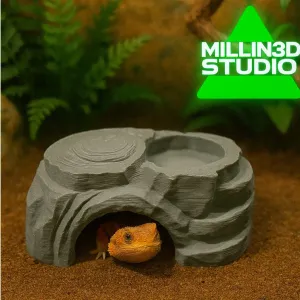


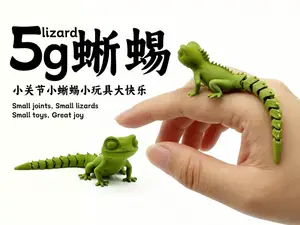
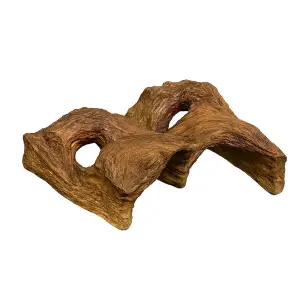


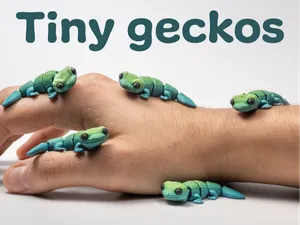
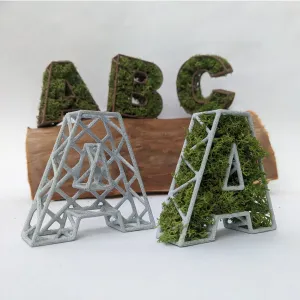

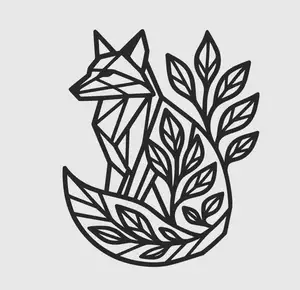
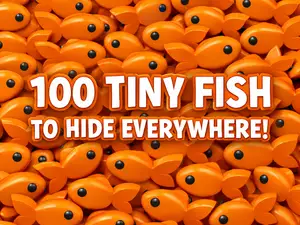
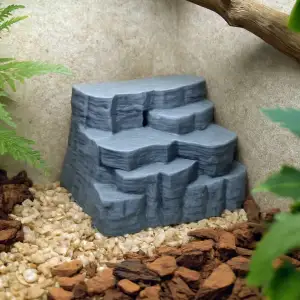

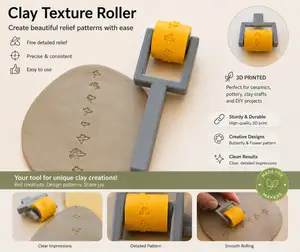
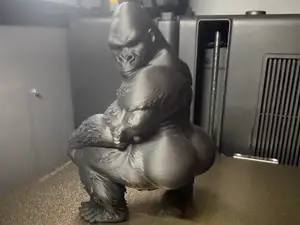
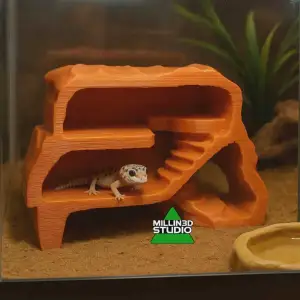

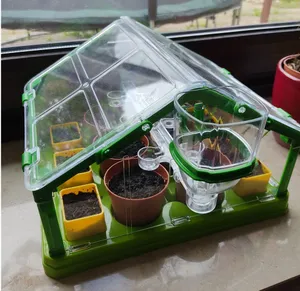
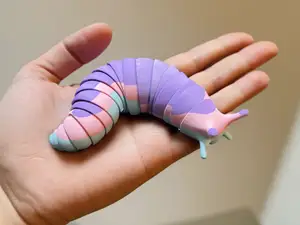
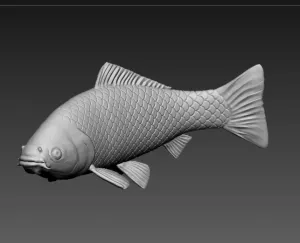

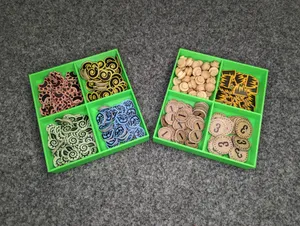
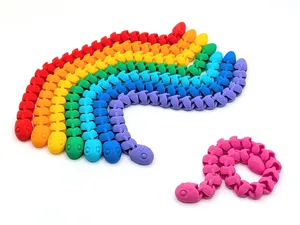
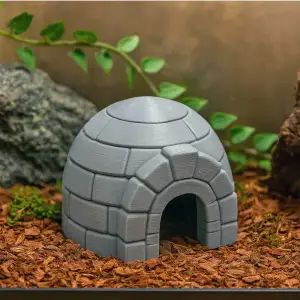


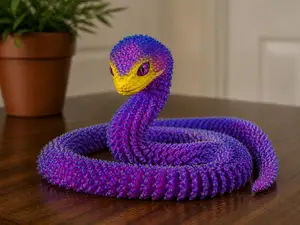
Floral and plant models cover vases, coasters and single leaves or blooms, often built as screw-together or snap-fit parts. Animal entries split into two groups: static figurines and articulated or flexi designs with moving joints. Forest and landscape pieces tend to be flat frames, candle holders or dioramas that combine several small elements into one scene. Jewelry and suncatcher designs sit at the smallest end of the scale, where thin walls and fine detail matter more than overall size.
Before printing, check the size and scale listed on the model page and compare them with your build volume; larger figures are often split into parts. Look at the number of parts and how they join — glue, screws or press fits — and whether the author notes that supports are needed. The material and settings the author lists give a realistic starting point, and photos of real prints show how surfaces and thin sections come out. For articulated designs, joint clearance and layer height decide whether the parts move after printing.
To narrow the results, try synonyms: plant, flower, leaf, foliage, botanical, wildlife, forest, woodland, or the specific animal or tree you have in mind. Related topics such as garden decor, terrarium accessories, dioramas and tabletop scenery often hold models that fit the same theme. Combining a subject word with a format word — vase, coaster, pendant, figurine, planter — usually returns a shorter and more relevant list.




Le catalogue complet des thèmes, de la maison à la CNC, avec une recherche sur tous les sites connectés.