
Gratuit 
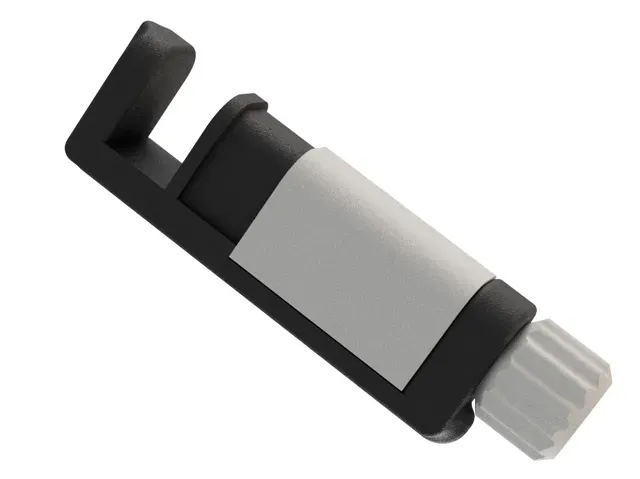
phone screen stand for phone repair
Printables
This collection gathers 3D-printable aids for phone repair: fixtures that hold a device, thin pry tools, trays for screws, and guards for charging cables. Most of them are small parts that a 3D printer can produce in one short session. They are useful when you already have the technical skill and only need the workholding and organization around it. Polyzon does not confirm whether models are free, their price, license, official status, affiliation, safety or fitness. Check the current terms at the source.
Le texte de cette collection est rédigé en anglais ; la recherche, elle, fonctionne dans toutes les langues.
 Une collection Polyzon · 48 modèles sur 7 plateformes
Polyzon compose cette collection à partir des résultats de recherche des plateformes connectées. Les doublons et les modèles sans aperçu sont retirés, les correspondances faibles sont placées à la fin, et le reste suit l’ordre de la recherche. Les modèles appartiennent à leurs auteurs : consultez les conditions sur la page de chaque modèle.
Règles de sélection : la rédaction de Polyzon · Texte mis à jour le 14/10/2026


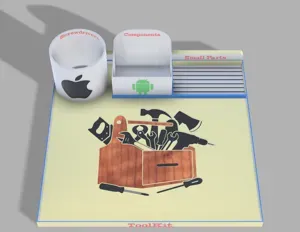
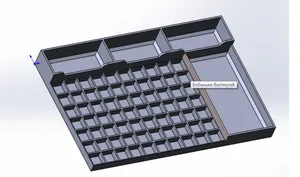



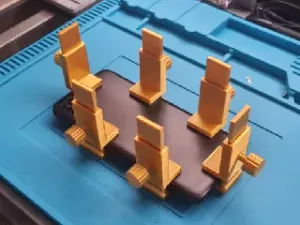


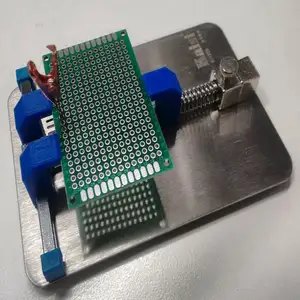
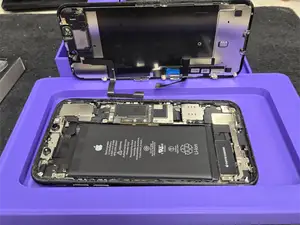
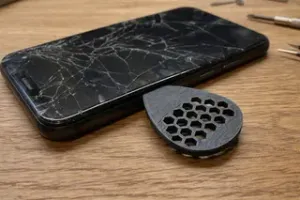


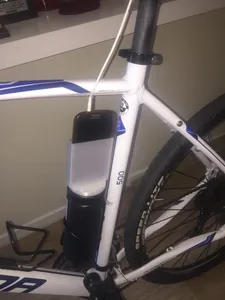
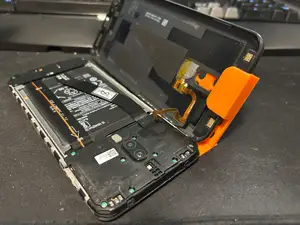
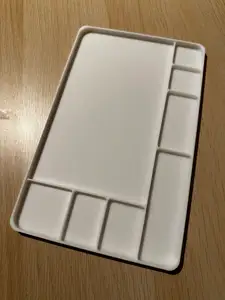

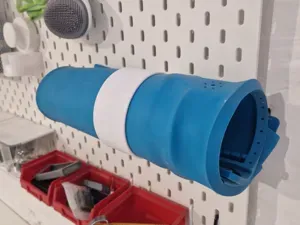
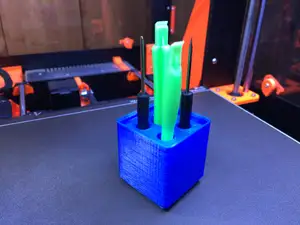
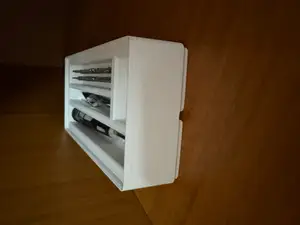
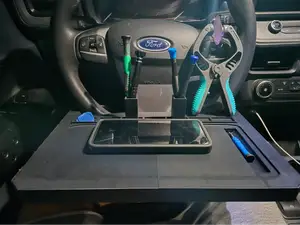


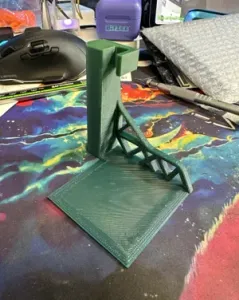


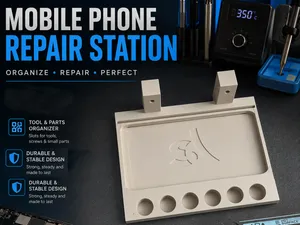
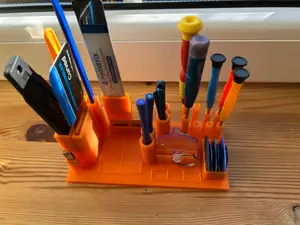



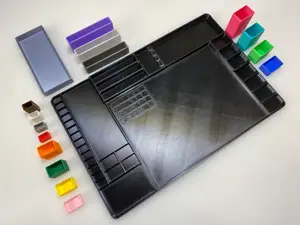


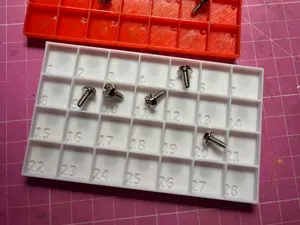


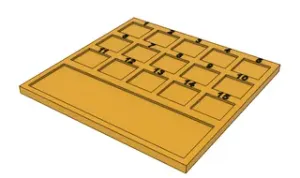
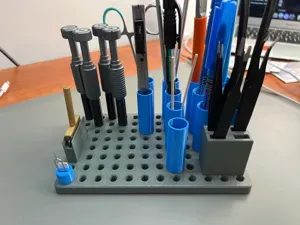
The models fall into a few groups that solve different problems. Vises, clamps and stands keep a phone or a board from sliding while you work, and they differ mainly in how the jaws close and how much of the screen stays visible. Opening picks, spudgers and plastic levers are consumable-thin tools meant to slip under a case or a display without scratching it. Trays and organizers sort screws by step, while cable guards and headphone kits address wear at connectors and hinges rather than the phone body itself.
When choosing a model, read the author's page rather than the thumbnail. Check the stated dimensions against your device, since a fixture sized for one body shape may not close on another; look at the number of parts, whether they screw or snap together, and whether the author lists supports, material and print settings. Layer height and orientation matter on thin pry tools, where the layers can split along the wrong axis. Photos of real prints show how the part actually comes off the plate.
If the results look thin, try other wording for the same idea: repair jig, fixture, workholding clamp, pry tool, spudger, disassembly mat, screw sorter, screen stand. Related topics often return useful parts as well, such as electronics workbenches, soldering aids, tablet repair, watch tools or headphone maintenance. Combining a device type with a task, for example a stand for board work or a tray for step-by-step teardown, usually narrows the list faster than a single broad term.


Le catalogue complet des thèmes, de la maison à la CNC, avec une recherche sur tous les sites connectés.