Gratuit 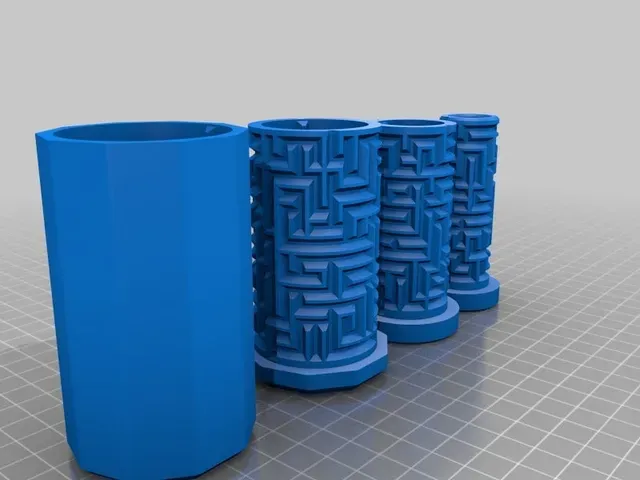
Russian Doll Maze Puzzle Box
Printables
This collection gathers doll-related 3D models: articulated and ball-jointed figures, nesting and puzzle dolls, dollhouse furniture, clothing and mini playsets. Most files are STL meshes made for a 3D printer, and together they show how broad the word doll is. Browsing them helps you judge which approach matches the scale you work in. Polyzon does not confirm whether models are free, their price, license, official status, affiliation, safety or fitness. Check the current terms at the source.
Le texte de cette collection est rédigé en anglais ; la recherche, elle, fonctionne dans toutes les langues.
 Une collection Polyzon · 48 modèles sur 9 plateformes
Polyzon compose cette collection à partir des résultats de recherche des plateformes connectées. Les doublons et les modèles sans aperçu sont retirés, les correspondances faibles sont placées à la fin, et le reste suit l’ordre de la recherche. Les modèles appartiennent à leurs auteurs : consultez les conditions sur la page de chaque modèle.
Règles de sélection : la rédaction de Polyzon · Texte mis à jour le 11/10/2026


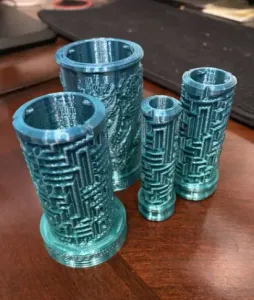

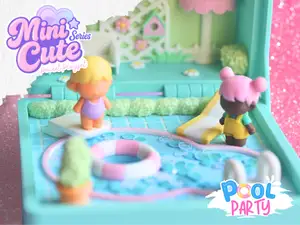


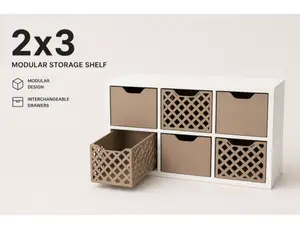
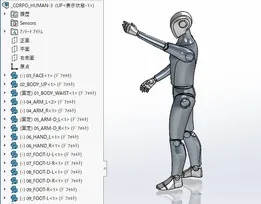

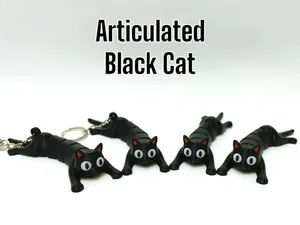


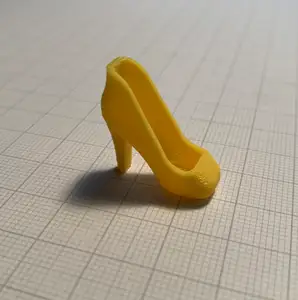
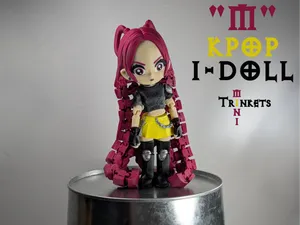


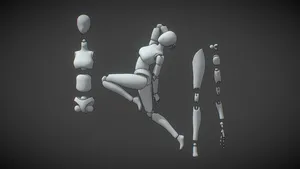
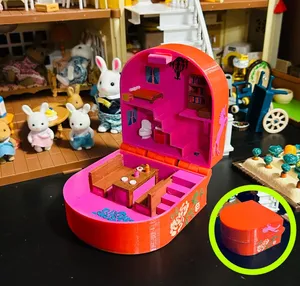


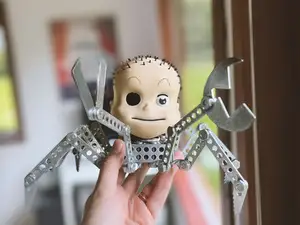
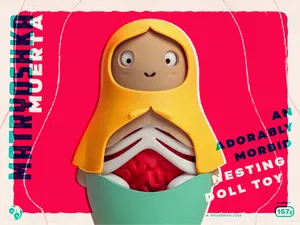
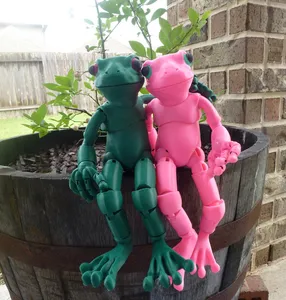

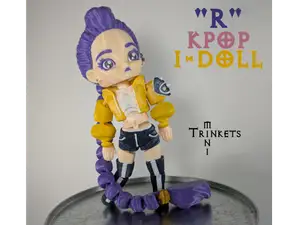

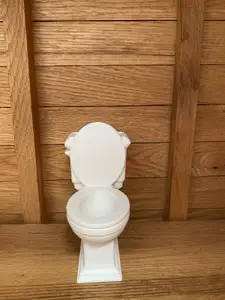


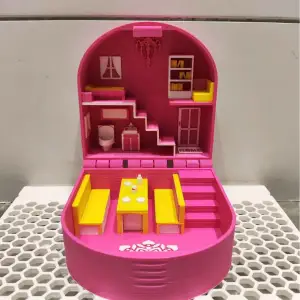
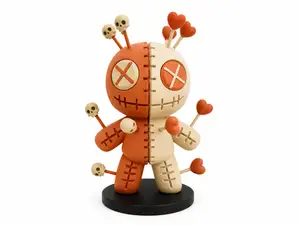
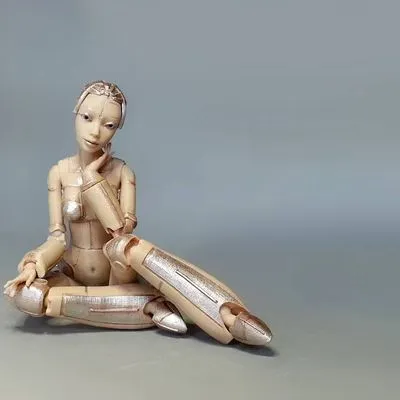
Articulated figures and ball-jointed dolls are built around joints, sockets and pins, so their part count is higher than that of a static figure. Nesting and puzzle dolls work differently: they are hollow shells or interlocking boxes where wall thickness and clearance decide whether the pieces move. Playsets, dollhouse furniture and clothing sit at another end of the topic, where scale and fit matter more than mechanics.
On the author's model page, look at the stated size and scale, the number of parts and how they assemble, and whether supports are needed for overhangs. Check the material and settings the author lists, along with photos of real prints, because small joint tolerances behave differently in resin and in filament. For dolls with moving parts, the clearance between socket and pin determines how well the figure holds a pose.
Search terms can be narrowed by mechanism or by purpose: ball-jointed, articulated, flexi, nesting, matryoshka, or dollhouse furniture, shoes and storage. Related topics such as action figures, miniatures and playsets often return overlapping results. Pairing a body part with a style word, like head or basemesh, usually brings up files that a single broad query misses.

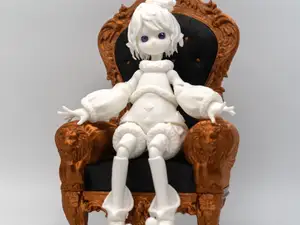


Le catalogue complet des thèmes, de la maison à la CNC, avec une recherche sur tous les sites connectés.