
Gratuit 
M175 Mount for M47 Dragon to suit M113
Thingiverse
This collection gathers dragon 3D models in several shapes: articulated flexi dragons, display figurines, small tabletop miniatures and designs borrowed from games and animation. Most entries are STL files meant for a resin or filament 3D printer. It helps when you already know the pose or scale you want and need to compare what different authors have published. Polyzon does not confirm whether models are free, their price, license, official status, affiliation, safety or fitness. Check the current terms at the source.
Le texte de cette collection est rédigé en anglais ; la recherche, elle, fonctionne dans toutes les langues.
 Une collection Polyzon · 41 modèles sur 3 plateformes
Polyzon compose cette collection à partir des résultats de recherche des plateformes connectées. Les doublons et les modèles sans aperçu sont retirés, les correspondances faibles sont placées à la fin, et le reste suit l’ordre de la recherche. Les modèles appartiennent à leurs auteurs : consultez les conditions sur la page de chaque modèle.
Règles de sélection : la rédaction de Polyzon · Texte mis à jour le 15/10/2026

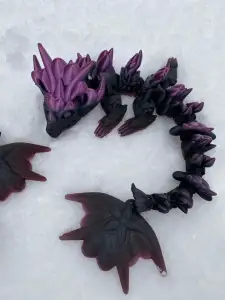
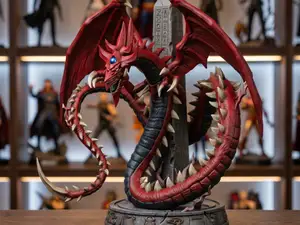
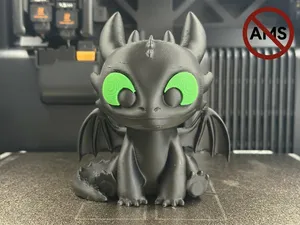
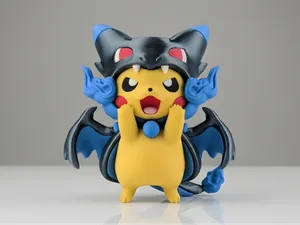
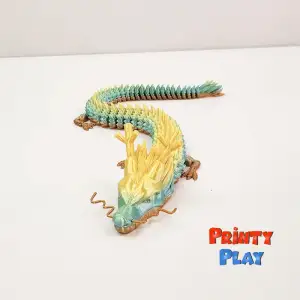
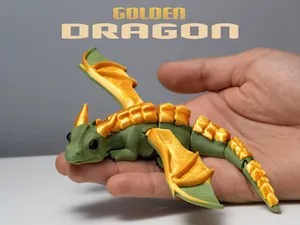
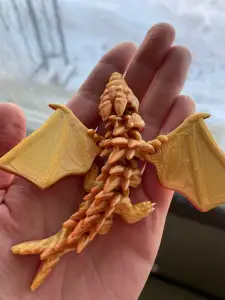
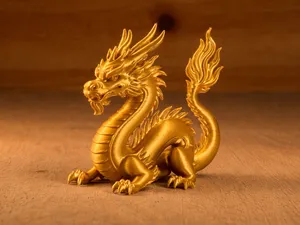
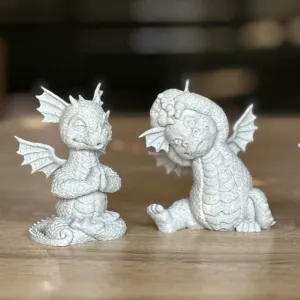
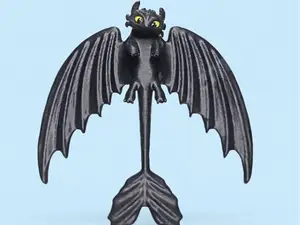
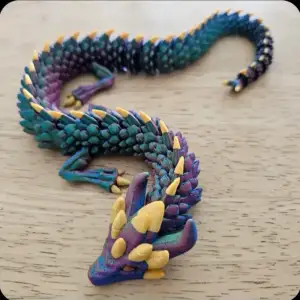
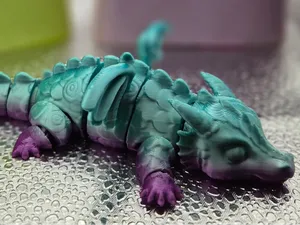
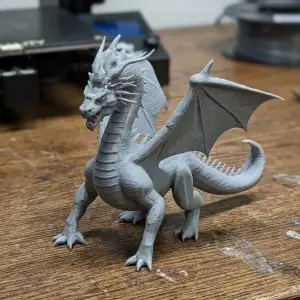
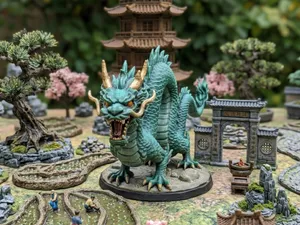

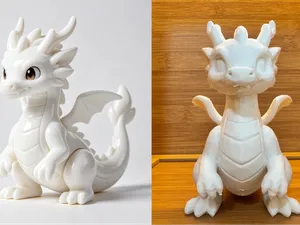
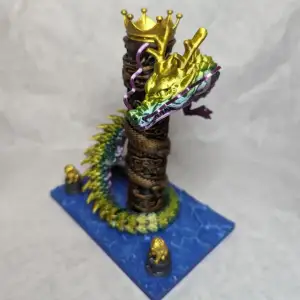
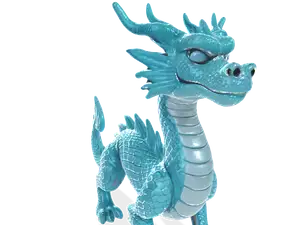
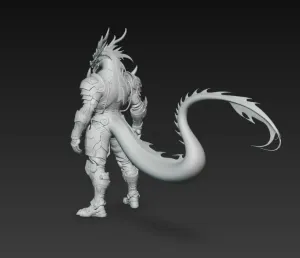
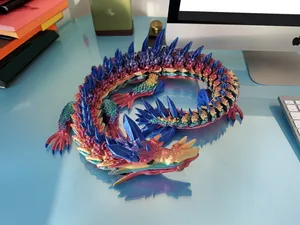
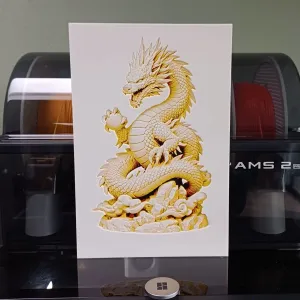
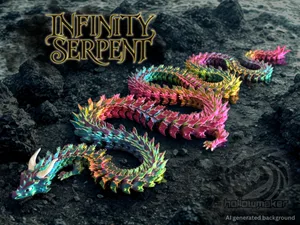
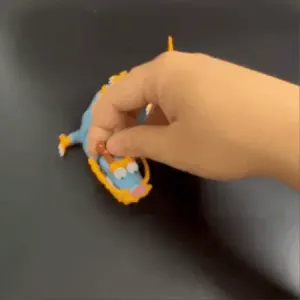
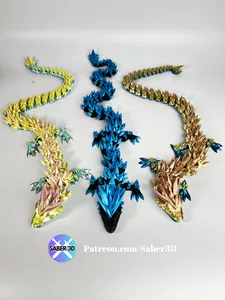
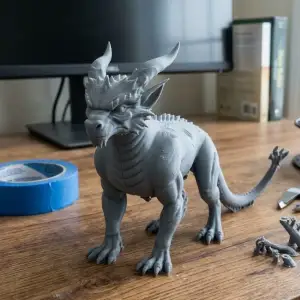
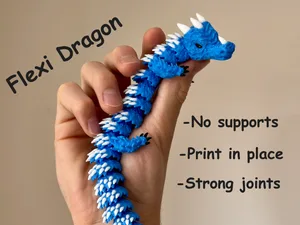
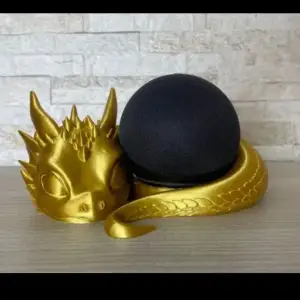
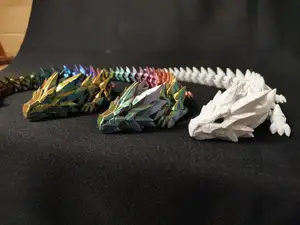

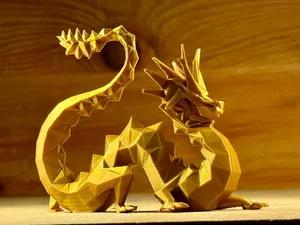
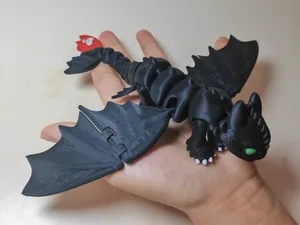
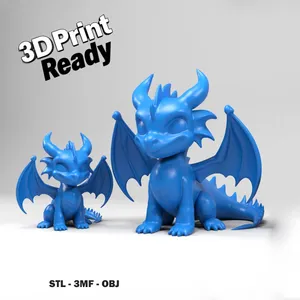
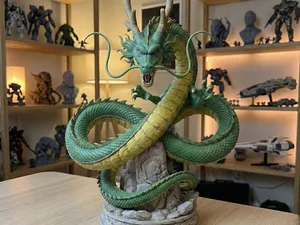
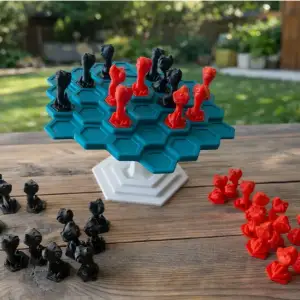

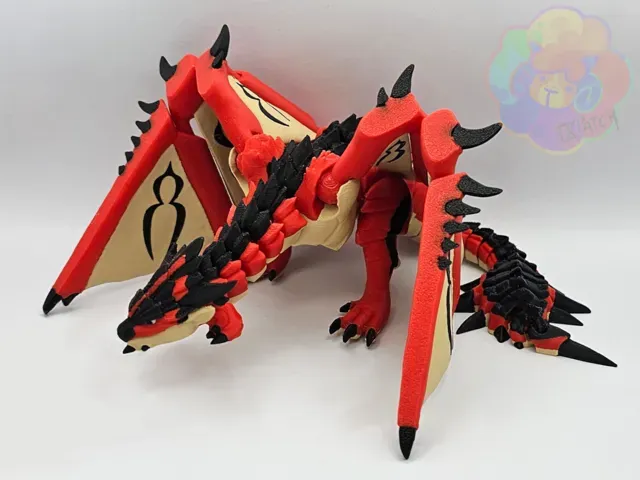
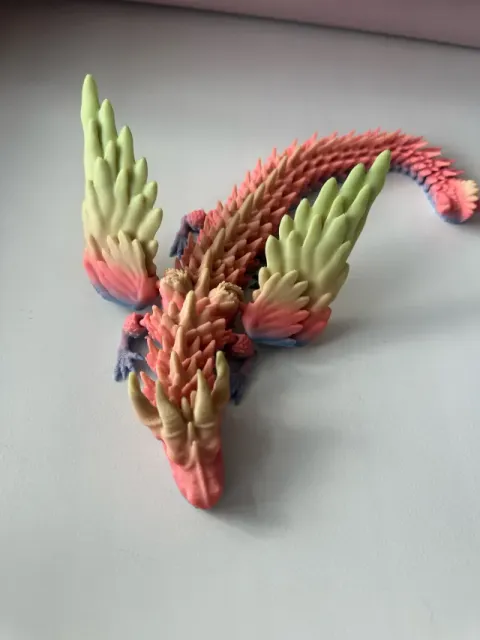
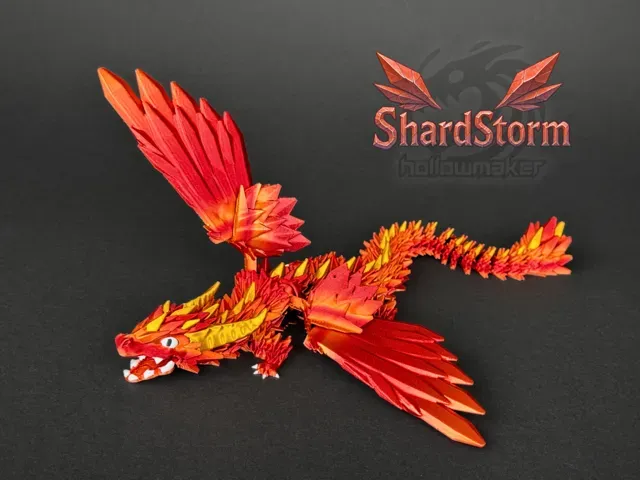
The clearest split is between articulated and static dragons. Flexi and print-in-place designs arrive as one connected piece with moving segments, while figurines and busts are usually printed as separate parts and joined afterwards. Tabletop miniatures sit at the small end, often on a base, and fandom dragons follow a recognisable design from a game or series.
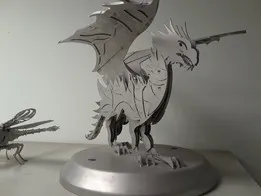
Before printing, open the author's page and read the details: overall size and scale, number of parts and how they assemble, whether supports are needed, and the material and settings the author lists. Photos of real prints show how the joints, wings and thin details come out, which matters more on articulated models than on solid ones.
If the first results feel narrow, try other wording. Flexi, articulated, print-in-place and segmented describe the same family; wyrm, wyvern, dragonling and wyrmling cover creature types; bust, egg, dice tower and business card holder point to objects rather than figures. Adding a scale, a material or a use case narrows the list further.
Scaling changes the result. A dragon shrunk for a tabletop game may need thinner walls and smaller clearances than the original, and a large display piece may need more infill or a hollowed body. Check the dimensions the author gives before resizing, and test the joints on a small version first.


Le catalogue complet des thèmes, de la maison à la CNC, avec une recherche sur tous les sites connectés.