Gratuit 
Total Eclipse pendant
Thingiverse
The eclipse theme spreads across several unrelated groups: viewing accessories for solar events, jewelry and small ornaments, trim parts for a car of that name, and workshop tooling. Because the topic is broad, the same search word returns astronomy items next to automotive and hobby pieces. This collection helps you see those groups at once and pick the direction that matches your 3D printer and material. Polyzon does not confirm whether models are free, their price, license, official status, affiliation, safety or fitness. Check the current terms at the source.
Le texte de cette collection est rédigé en anglais ; la recherche, elle, fonctionne dans toutes les langues.
 Une collection Polyzon · 46 modèles sur 5 plateformes
Polyzon compose cette collection à partir des résultats de recherche des plateformes connectées. Les doublons et les modèles sans aperçu sont retirés, les correspondances faibles sont placées à la fin, et le reste suit l’ordre de la recherche. Les modèles appartiennent à leurs auteurs : consultez les conditions sur la page de chaque modèle.
Règles de sélection : la rédaction de Polyzon · Texte mis à jour le 15/10/2026
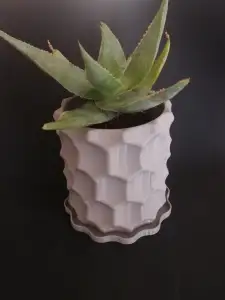

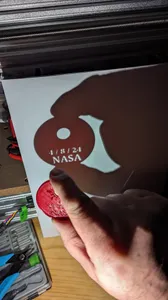
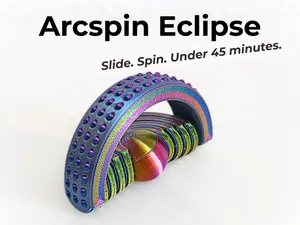
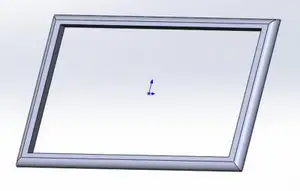
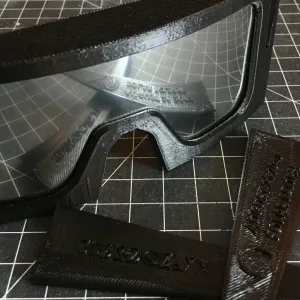

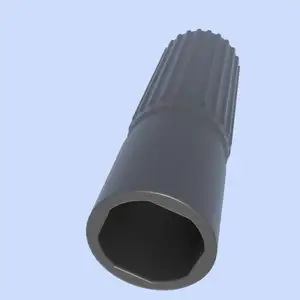
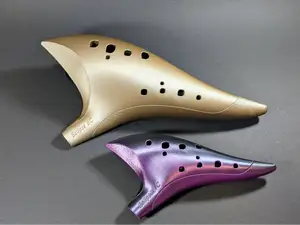
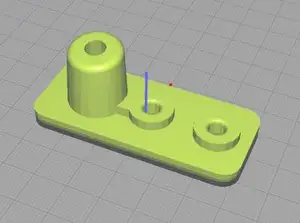




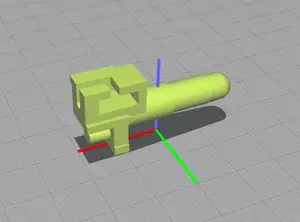
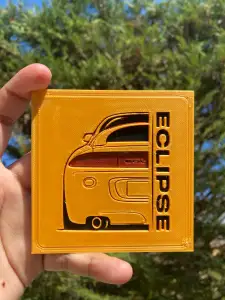



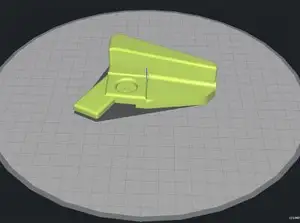
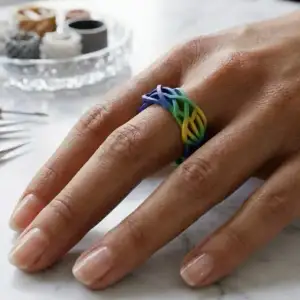

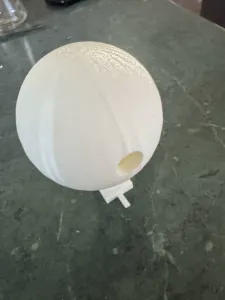

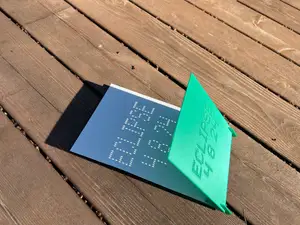
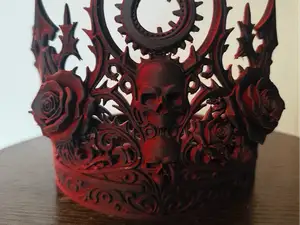


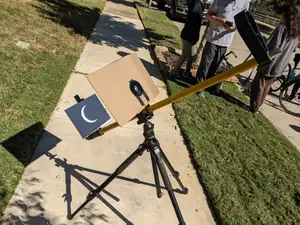
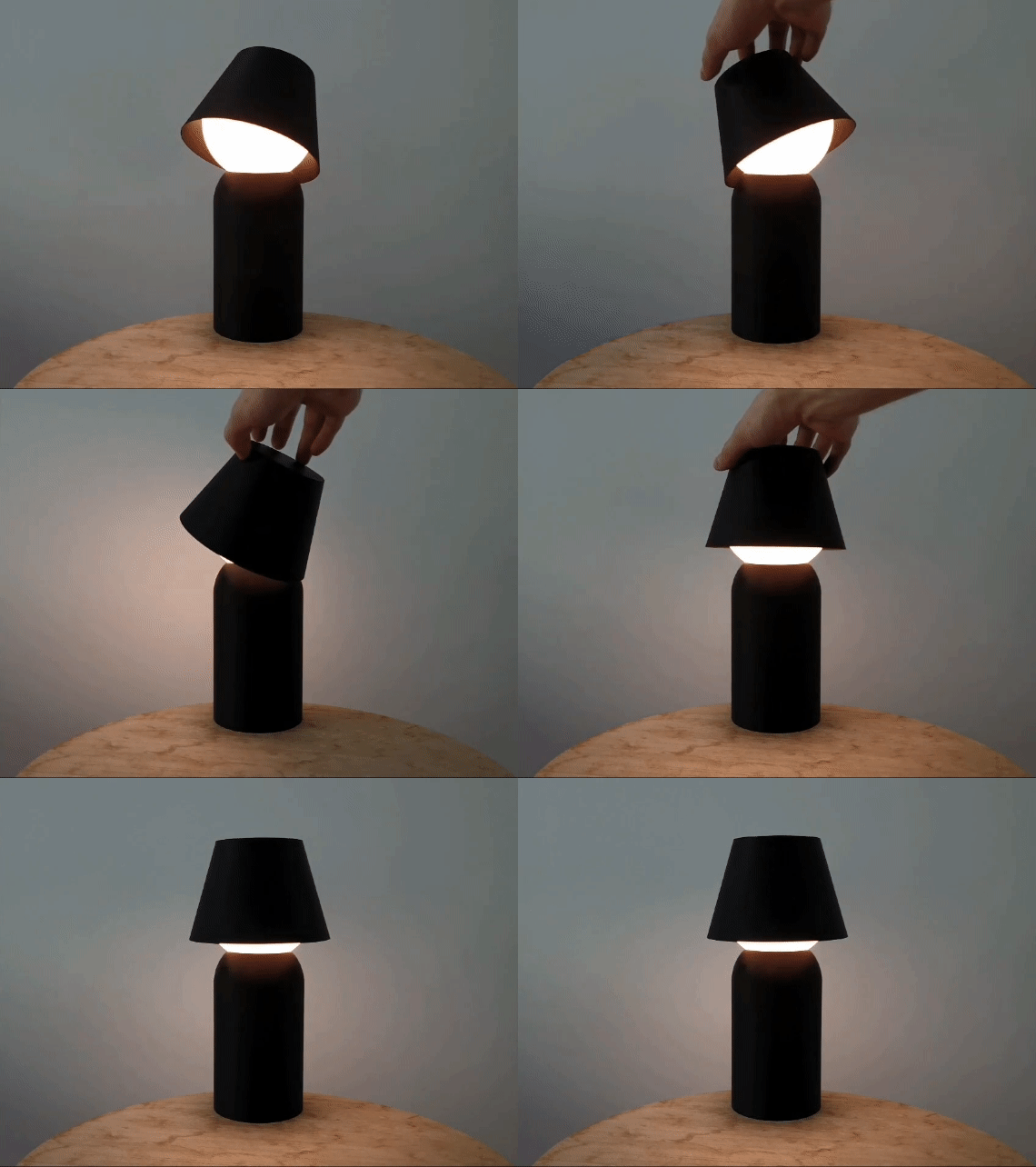




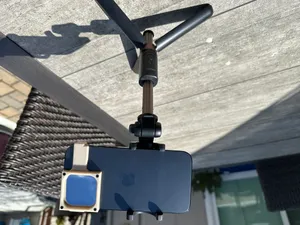

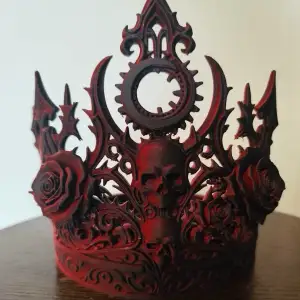

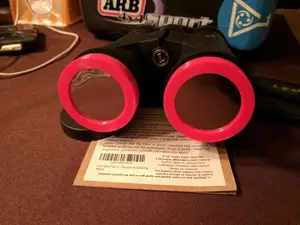

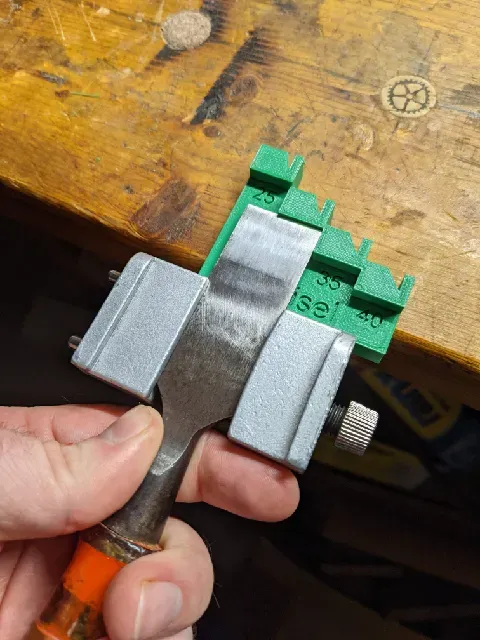
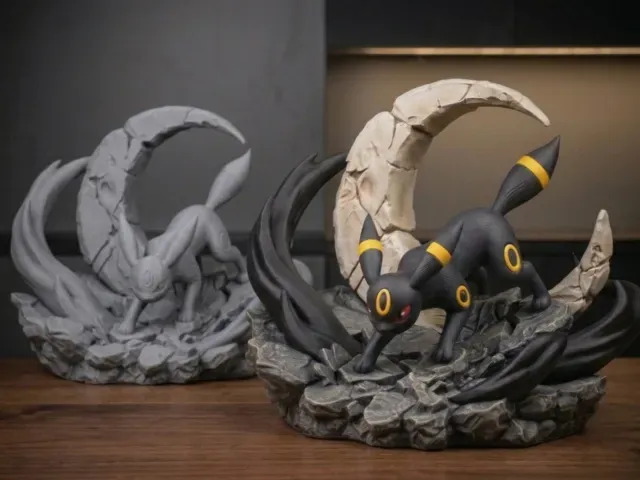
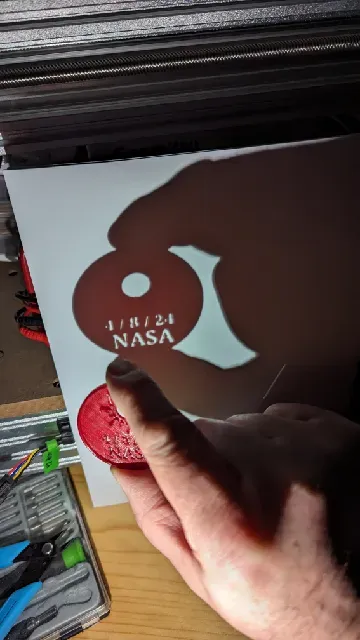
Astronomy-related entries are mostly flat or low-profile items such as viewing glasses, shades and commemorative discs, often built from a few thin parts. Jewelry and ornament models, by contrast, are small, detailed and usually printed in a single piece. Car trim and interior parts follow the geometry of a specific vehicle, while workshop items such as sharpening guides or nozzle drivers are functional shapes with tight tolerances. Fandom and tabletop pieces sit between these groups, since they mix decorative surfaces with assembly.
When choosing a model, open the author's page and read the listed dimensions, part count and assembly steps before anything else. Check whether the model needs supports, which material and layer height the author used, and whether photos of actual prints are shown. For thin viewing accessories, wall thickness and opacity matter; for mechanical parts, hole sizes and clearances matter more than surface finish. Small jewelry and detailed figures usually print better at a finer layer height, while larger trim pieces can be split to fit the build volume.
Refining the search is mostly about separating the meanings of the word. Add terms such as solar, total, glasses, pendant, earrings, diorama or starbase to move toward one group, and use synonyms like sun, corona, shadow or celestial when results run thin. For the automotive side, combine the model name with the part you need, for example trim, bracket or interior. Related topics worth trying are astronomy, space, tabletop scenery and workshop jigs.

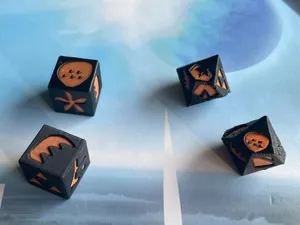


Le catalogue complet des thèmes, de la maison à la CNC, avec une recherche sur tous les sites connectés.