
Gratuit 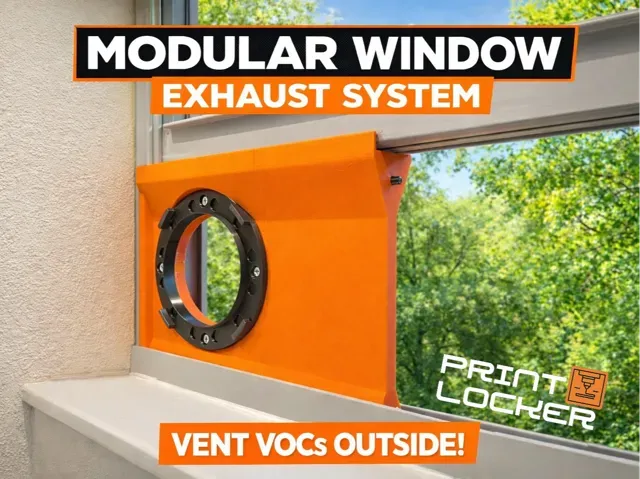
Modular Window Exhaust System V2
MakerWorld
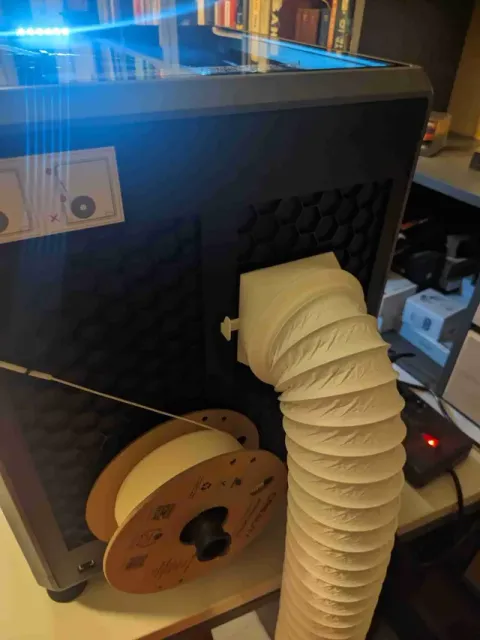
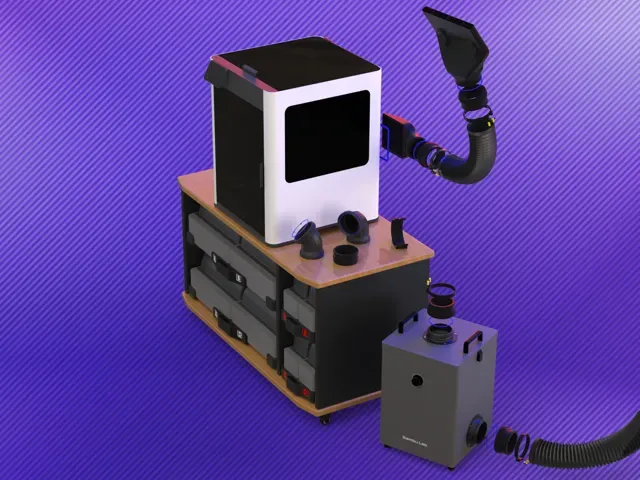
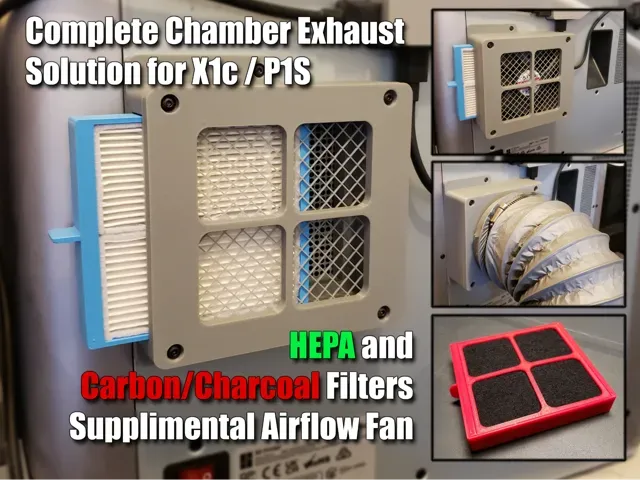
This collection gathers 3D models that move air out of an enclosed space: printer enclosure vents, laser cutter extraction parts, spray booth ducts and fan adapters. Most of them are printed on a home 3D printer and combined with a fan, hose or filter bought separately. It is useful when heat, fumes or dust build up inside a box and you need a shaped part rather than a flat panel. Polyzon does not confirm whether models are free, their price, license, official status, affiliation, safety or fitness. Check the current terms at the source.
Le texte de cette collection est rédigé en anglais ; la recherche, elle, fonctionne dans toutes les langues.
 Une collection Polyzon · 48 modèles sur 6 plateformes
Polyzon compose cette collection à partir des résultats de recherche des plateformes connectées. Les doublons et les modèles sans aperçu sont retirés, les correspondances faibles sont placées à la fin, et le reste suit l’ordre de la recherche. Les modèles appartiennent à leurs auteurs : consultez les conditions sur la page de chaque modèle.
Règles de sélection : la rédaction de Polyzon · Texte mis à jour le 11/10/2026
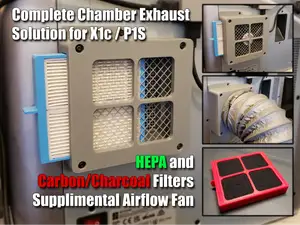

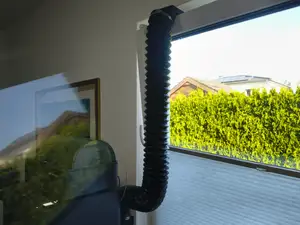
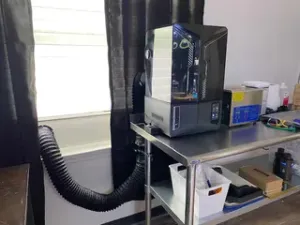
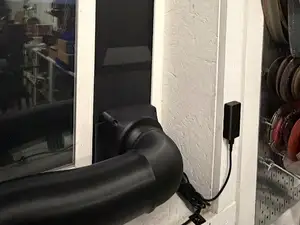
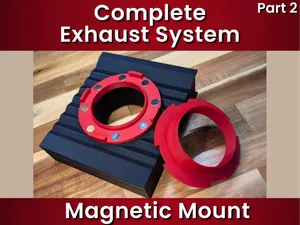

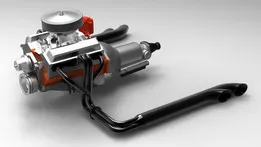
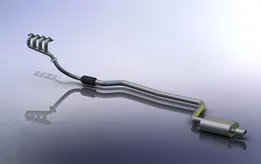
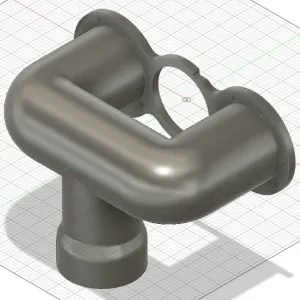
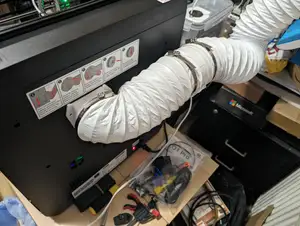

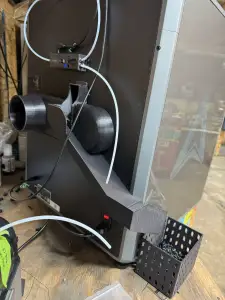
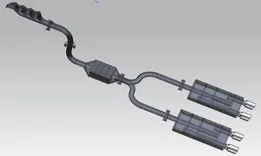

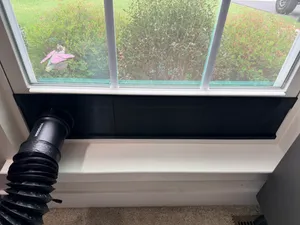

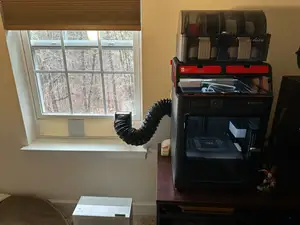
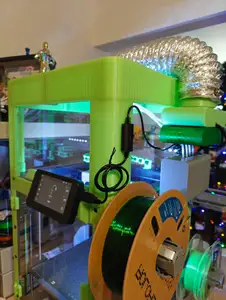
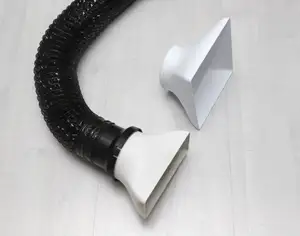
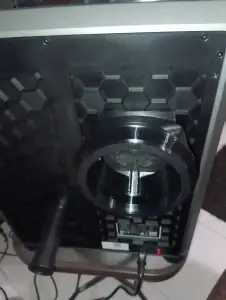


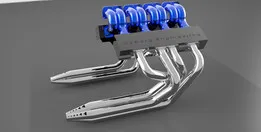
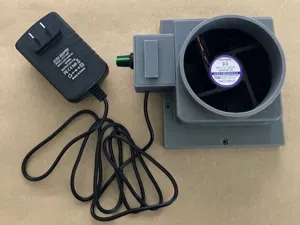
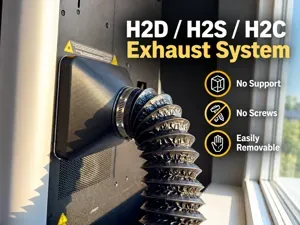


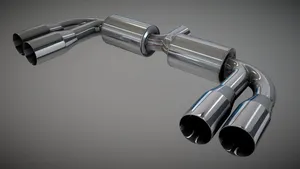
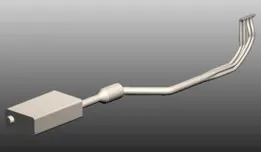
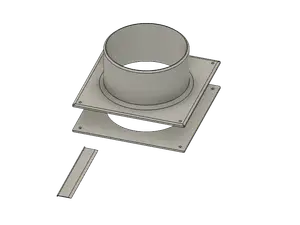

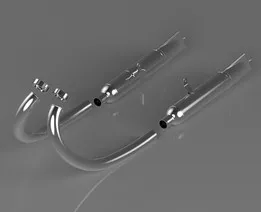
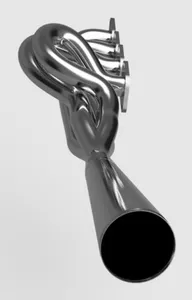
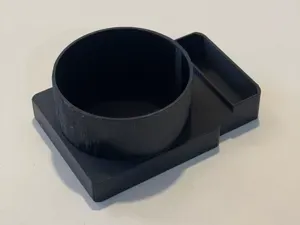

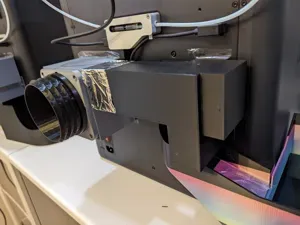
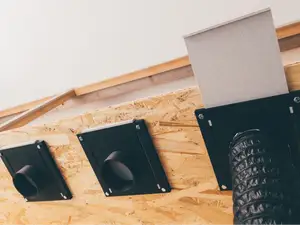
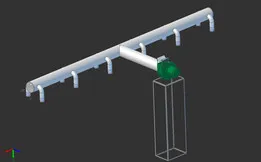

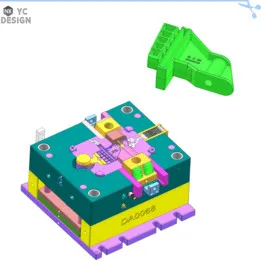
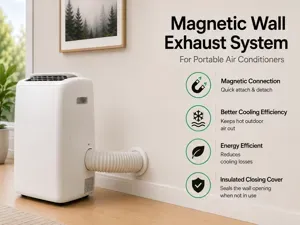
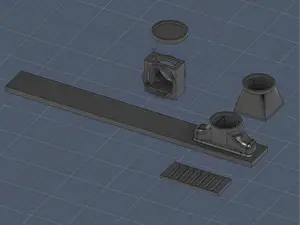
The models fall into a few groups. Enclosure kits for FDM machines usually include a plate that replaces or sits over a panel opening, a grille, and a mount for a fan or duct. Laser cutter parts tend to be larger, with rectangular flanges and straight runs toward an external hose. Airbrush and booth designs are closer to a hood or funnel that captures overspray, while fan shrouds and blower adapters are simple adapters between one diameter and another.
When choosing a model, read the author's page rather than the picture alone. Check the stated opening size and bolt pattern, the fan diameter and thickness it accepts, how many separate parts need assembly, and whether the geometry needs supports on the overhangs. The material and settings the author lists matter too, since parts near a heated chamber or a laser bed see warmer air than a typical desk print. Photos of real prints show how the seams and screw holes came out.
To widen or narrow the search, try the words people use for the same idea: vent, duct, fume extraction, air outlet, blower adapter, fan mount, grille, or heat exhaust. Adding the machine family or the enclosure type helps, as does the fan size in millimetres. If you find a parametric or modular design, check whether the dimensions can be edited before you commit to a fixed version.
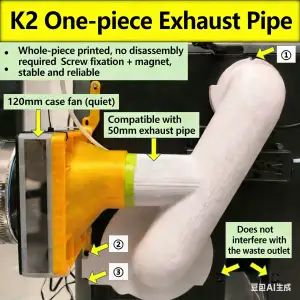


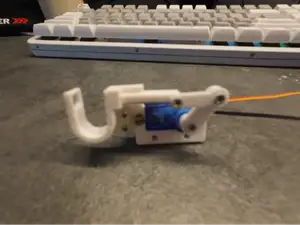


Le catalogue complet des thèmes, de la maison à la CNC, avec une recherche sur tous les sites connectés.