Gratuit 
Clips for plants
Thingiverse
This collection gathers 3D models for plants: pots and planters, self-watering inserts, clips and supports, and vases for cut flowers. Most of these files are simple enough for a first 3D printing project, while larger planters take more filament and time. It is a useful starting point if you want to match a pot to a specific shelf, window or plant size. Polyzon does not confirm whether models are free, their price, license, official status, affiliation, safety or fitness. Check the current terms at the source.
Le texte de cette collection est rédigé en anglais ; la recherche, elle, fonctionne dans toutes les langues.
 Une collection Polyzon · 47 modèles sur 4 plateformes
Polyzon compose cette collection à partir des résultats de recherche des plateformes connectées. Les doublons et les modèles sans aperçu sont retirés, les correspondances faibles sont placées à la fin, et le reste suit l’ordre de la recherche. Les modèles appartiennent à leurs auteurs : consultez les conditions sur la page de chaque modèle.
Règles de sélection : la rédaction de Polyzon · Texte mis à jour le 12/10/2026


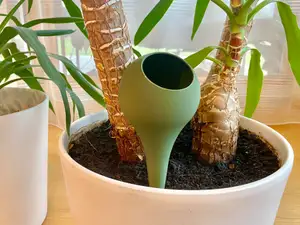
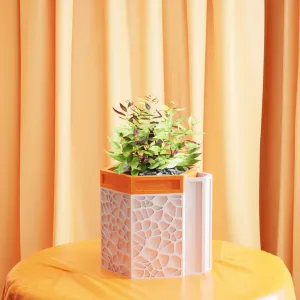


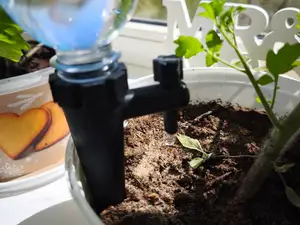
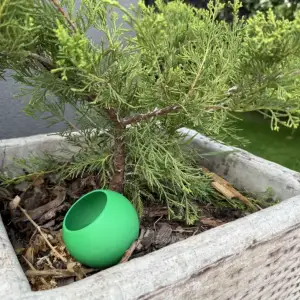

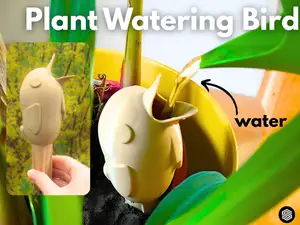
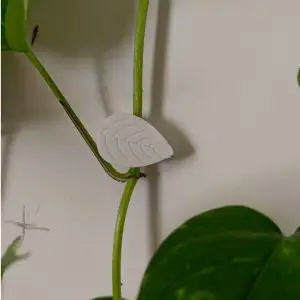

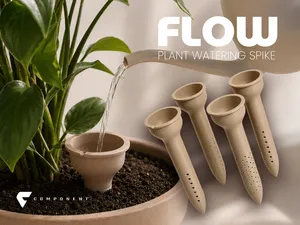
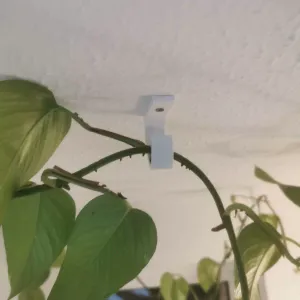

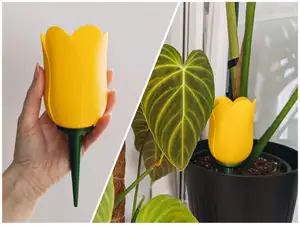
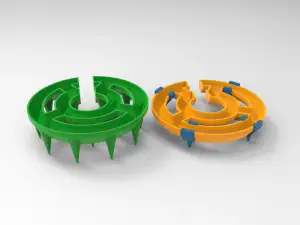

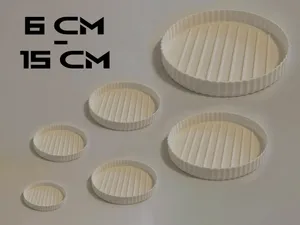
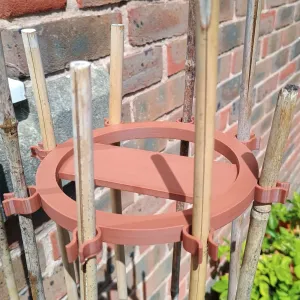

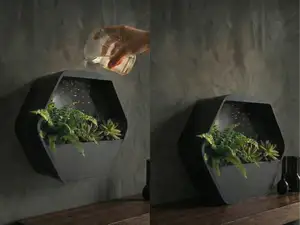
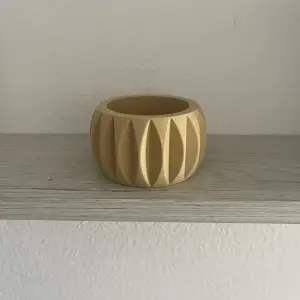


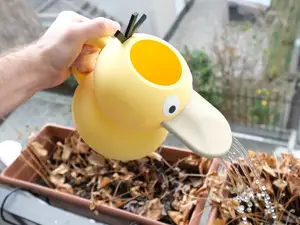
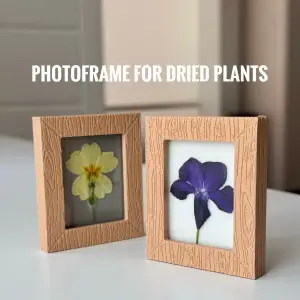


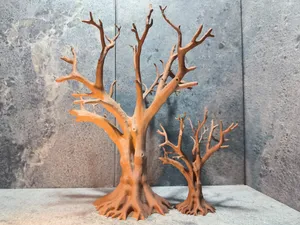



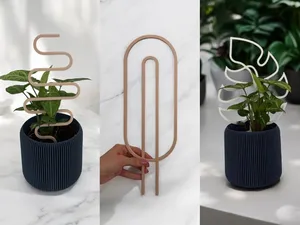
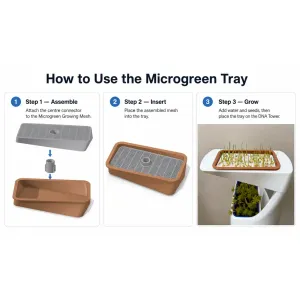

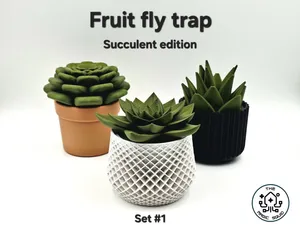
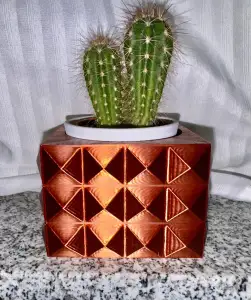


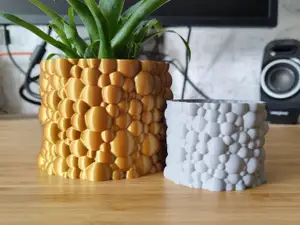

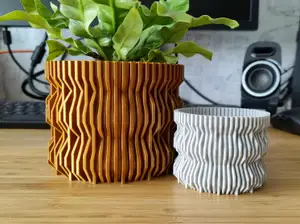
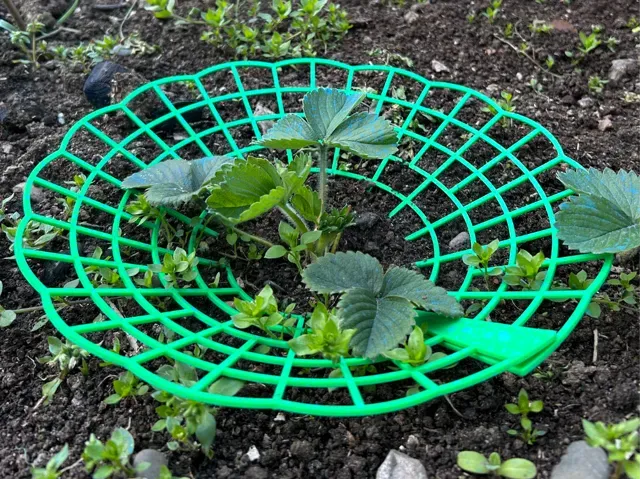
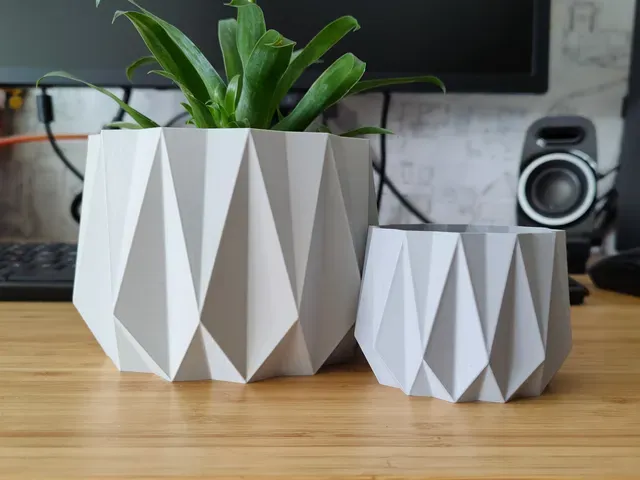
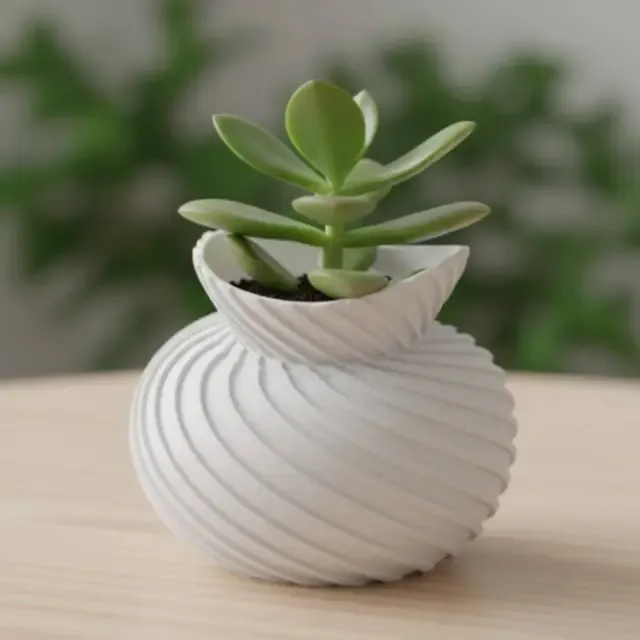
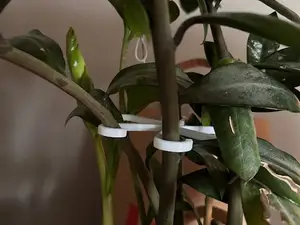
The range falls into a few groups. Pots and planters cover everything from plain cylinders to geometric and figure-shaped designs, and some are drawn for single-wall vase mode. Self-watering pieces include globes, spikes and reservoir planters that sit inside or beside a pot. A third group is functional rather than decorative: clips, hooks, stakes and supports that hold stems, keep fruit off the soil or fix a pot to a wall or rail.
Before printing, compare the model dimensions with the pot or plant you already have, and check whether the author shows a drainage hole and its diameter. Look at the number of separate parts, how they join, and whether the geometry needs supports. Read the material and settings the author lists, since outdoor use and thin vase-mode walls call for different choices than a thick indoor planter. Photos of real prints are the most useful guide to how the surface and fit turn out.
If the results feel narrow, try other words for the same object: planter, cachepot, flower pot, vase, seed tray, watering spike, drip irrigation, trellis or plant stake. Related searches such as hydroponics, propagation, balcony gardening or window sill bring up models that overlap with this topic. Sorting by size or by print time can also help when you need something that fits a 3D printer with a small build volume.



Le catalogue complet des thèmes, de la maison à la CNC, avec une recherche sur tous les sites connectés.