
Gratuit 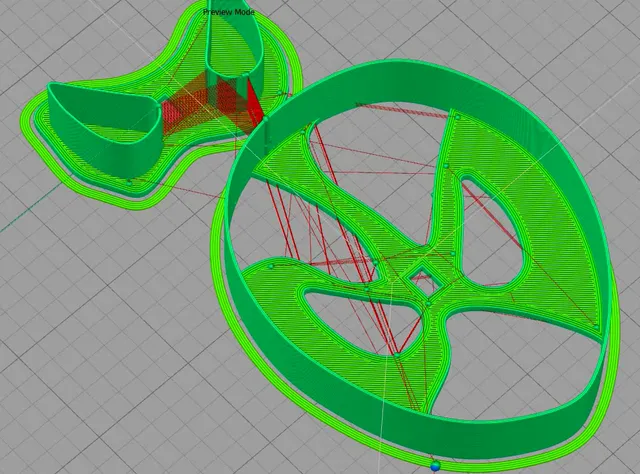
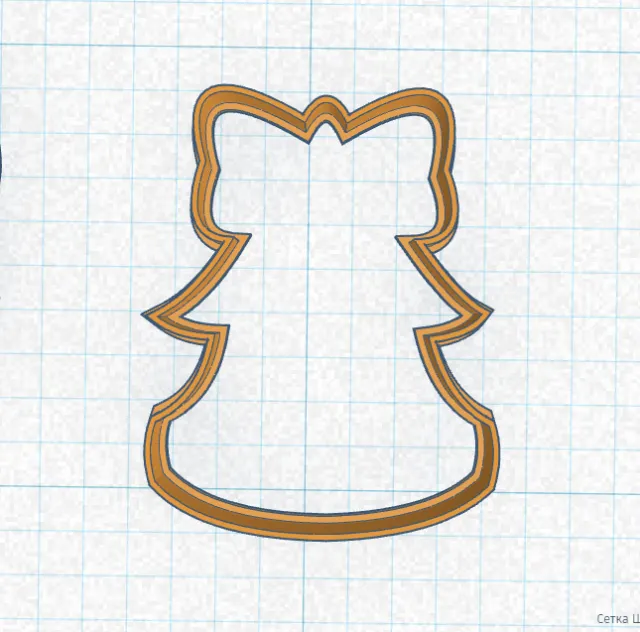
Форма для пряника человек-паук
3DToday
This collection gathers STL files for gingerbread molds, cookie cutters and stamps, from simple outlines to multi-part house shapes. It is useful if you bake with a 3D printer at hand and want shapes that are hard to find as ready-made cutters. The models differ in wall thickness, depth and how many parts you have to print. Polyzon does not confirm whether models are free, their price, license, official status, affiliation, safety or fitness. Check the current terms at the source.
Le texte de cette collection est rédigé en anglais ; la recherche, elle, fonctionne dans toutes les langues.
 Une collection Polyzon · 48 modèles sur 5 plateformes
Polyzon compose cette collection à partir des résultats de recherche des plateformes connectées. Les doublons et les modèles sans aperçu sont retirés, les correspondances faibles sont placées à la fin, et le reste suit l’ordre de la recherche. Les modèles appartiennent à leurs auteurs : consultez les conditions sur la page de chaque modèle.
Règles de sélection : la rédaction de Polyzon · Texte mis à jour le 11/10/2026
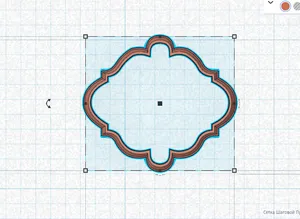





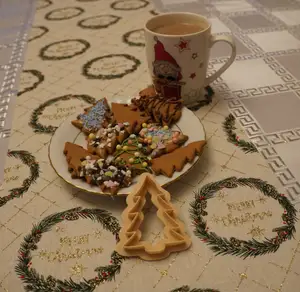
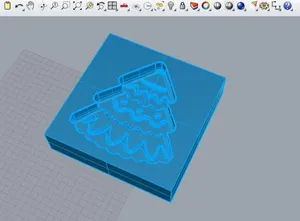
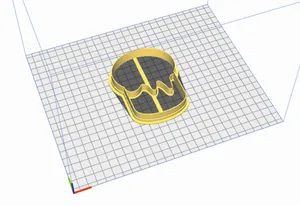

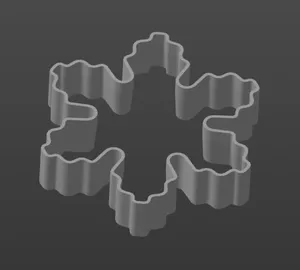


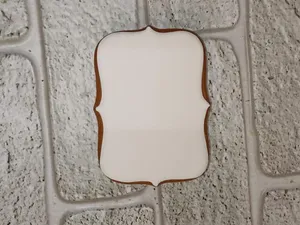

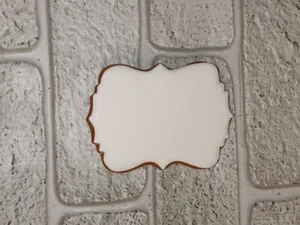
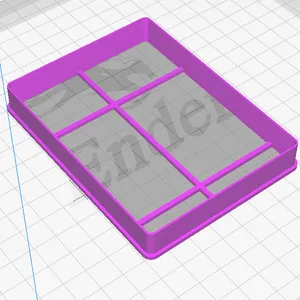
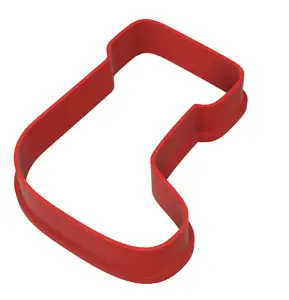
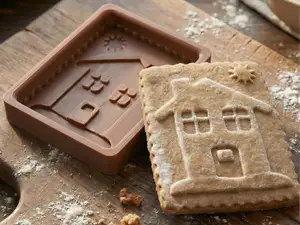




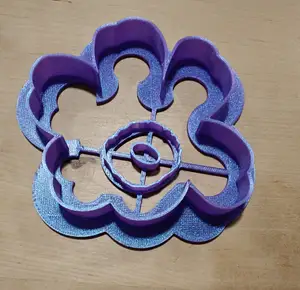


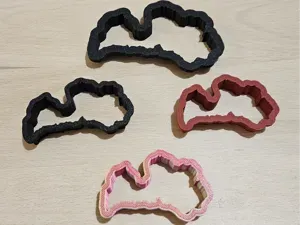


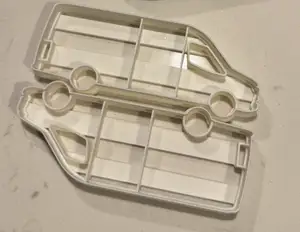


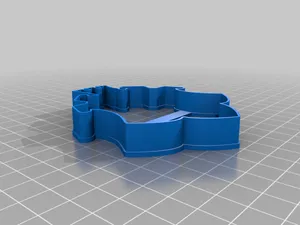


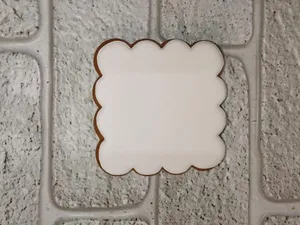
The most common group is flat cutters and stamps: a thin outline cuts the dough, while a separate stamp presses the surface pattern. Holiday shapes — trees, stars, snowmen — usually come as single-piece cutters, and figurative molds such as gingerbread men or cars often add a stamp or an inner detail. Multi-part house molds are different: they are printed as several walls and roof pieces, then assembled before baking or used as a press.
When choosing a model, look at the author's page for the outer size and the depth of the cutting edge, since a shallow rim barely marks thick dough. Check how many parts the file contains and whether assembly is described, and read the material and settings the author lists — food-contact use usually calls for a specific filament and a smooth, sealed surface. Photos of real prints show whether the edges came out clean and whether thin walls survived printing.
To widen the search, try synonyms such as cookie cutter, biscuit stamp, dough press or baking mold, and add the shape you need: star, heart, house, animal. Related topics include chocolate molds, fondant cutters, rolling-pin stamps and decoration pieces that are not meant for dough. Combining a shape word with a season or event usually narrows the results faster than browsing the whole category.


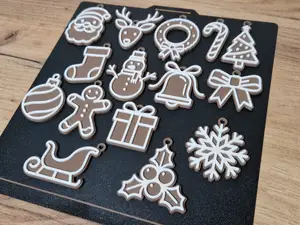

Le catalogue complet des thèmes, de la maison à la CNC, avec une recherche sur tous les sites connectés.