Gratuit 
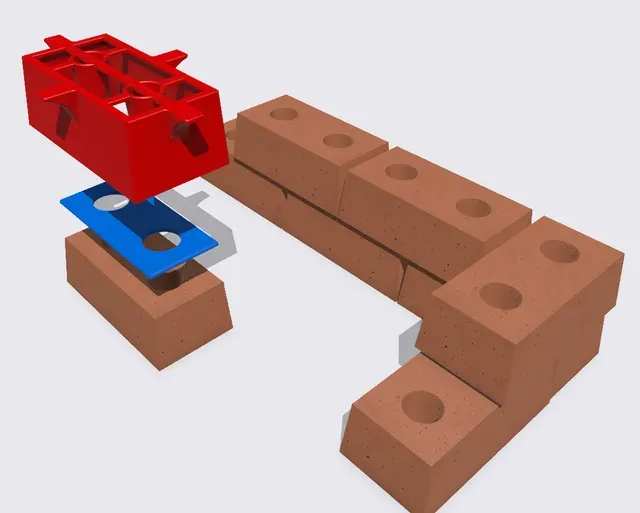
Miniature brick model for creating a silicone mold to cast resin or cement bricks
Thingiverse
This collection covers STL molds for casting small bricks and blocks from cement, sand, resin, snow and similar materials. It includes miniature masonry, interlocking block forms, decorative wall pieces and toy-scale brick shapes. The files are printed on a 3D printer before they serve as casting tools. Polyzon does not confirm whether models are free, their price, license, official status, affiliation, safety or fitness. Check the current terms at the source.
Le texte de cette collection est rédigé en anglais ; la recherche, elle, fonctionne dans toutes les langues.
 Une collection Polyzon · 48 modèles sur 4 plateformes
Polyzon compose cette collection à partir des résultats de recherche des plateformes connectées. Les doublons et les modèles sans aperçu sont retirés, les correspondances faibles sont placées à la fin, et le reste suit l’ordre de la recherche. Les modèles appartiennent à leurs auteurs : consultez les conditions sur la page de chaque modèle.
Règles de sélection : la rédaction de Polyzon · Texte mis à jour le 12/10/2026
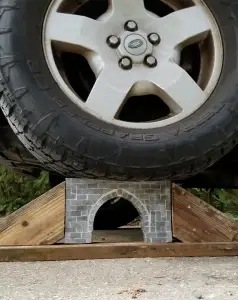


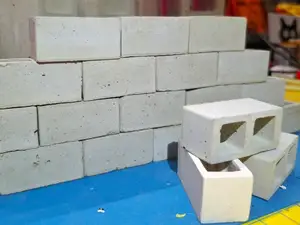
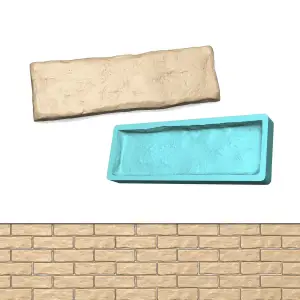

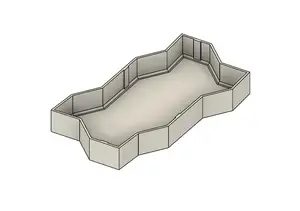
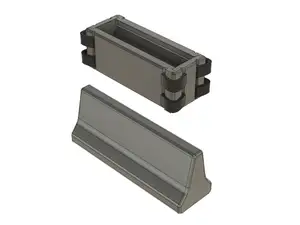
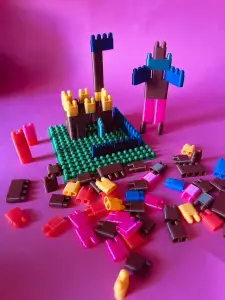

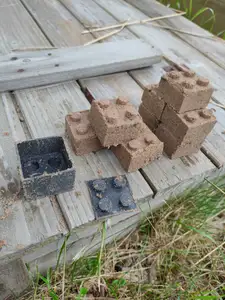
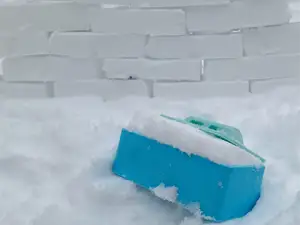
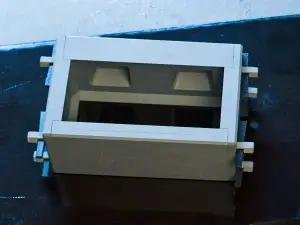

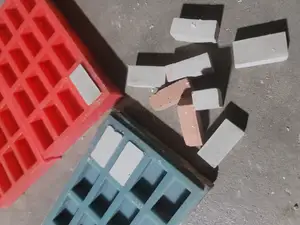
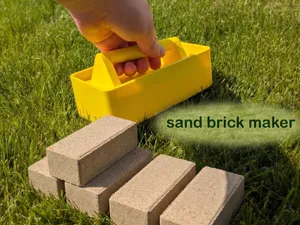
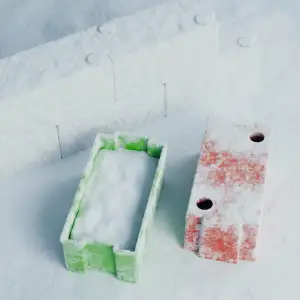

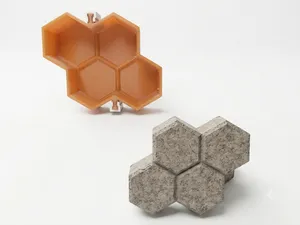
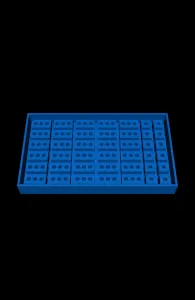
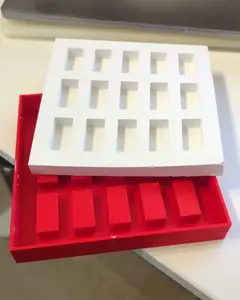
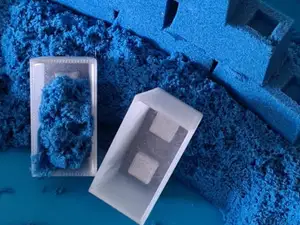
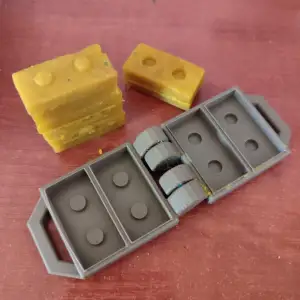

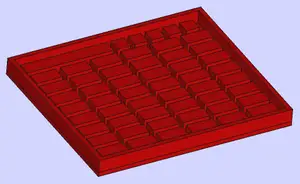
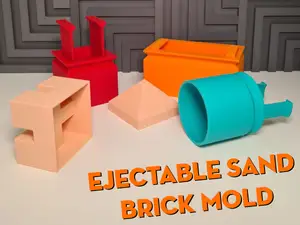
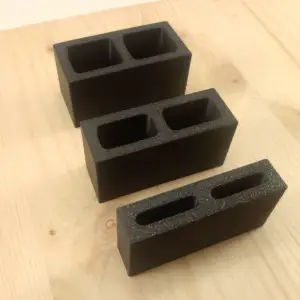

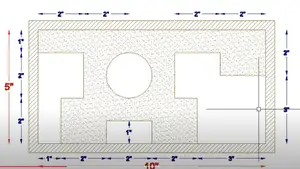
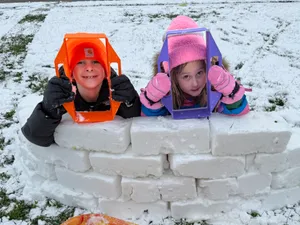
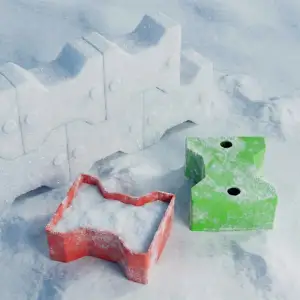

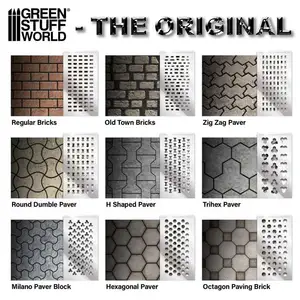
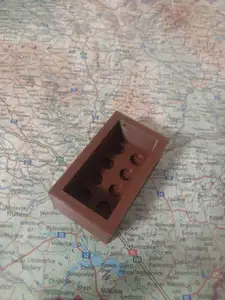
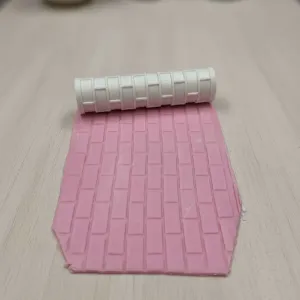

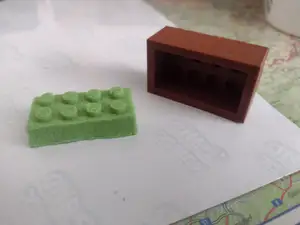
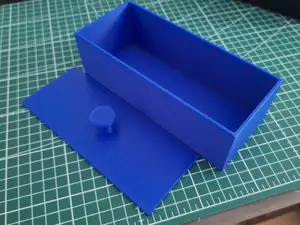
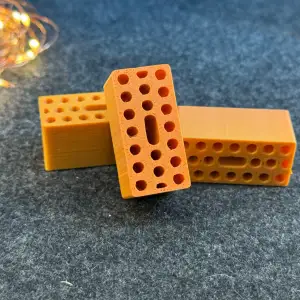
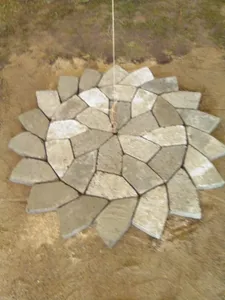

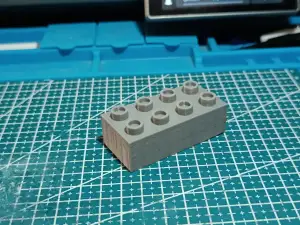


The range splits by what you pour and how the finished piece is used. Miniature molds produce small masonry for dioramas and scale scenes, while interlocking forms create stackable blocks for larger structures. Outdoor forms are built for sand, snow or soil, and decorative molds focus on surface pattern rather than structural stacking. Toy-scale brick shapes sit between play pieces and simple casting practice.
On the author's model page, check the overall size and scale, the number of separate parts, and whether the design needs extra printed support structures. Look at the wall thickness and draft angle, because those affect how easily the cast piece releases. The material and print settings the author lists are useful starting points, and photos of real prints show how the mold behaves after casting. For flexible molds, note whether the model is intended to be printed in a rigid or soft filament.
To narrow results, try related terms such as mould, casting form, brick maker, block press, paver form, or miniature masonry. Combine a material word with the shape you want, for example cement, plaster, resin, sand or snow. If you are looking for a specific scale, add words like miniature, toy-scale, interlocking or decorative. Switching between singular and plural spellings often brings up different sets of files.




Le catalogue complet des thèmes, de la maison à la CNC, avec une recherche sur tous les sites connectés.