Gratuit 
Fun Eye
MakerWorld
This collection gathers eye-themed 3D models: eyeballs and anatomical studies, doll and soft-toy eyes, moving or animatronic mechanisms, eye patches and fantasy props. Most of them are small enough to print on a desktop 3D printer in one session. The collection is useful when you need a replacement part for a toy or a detail for a costume. Polyzon does not confirm whether models are free, their price, license, official status, affiliation, safety or fitness. Check the current terms at the source.
Le texte de cette collection est rédigé en anglais ; la recherche, elle, fonctionne dans toutes les langues.
 Une collection Polyzon · 48 modèles sur 8 plateformes
Polyzon compose cette collection à partir des résultats de recherche des plateformes connectées. Les doublons et les modèles sans aperçu sont retirés, les correspondances faibles sont placées à la fin, et le reste suit l’ordre de la recherche. Les modèles appartiennent à leurs auteurs : consultez les conditions sur la page de chaque modèle.
Règles de sélection : la rédaction de Polyzon · Texte mis à jour le 11/10/2026
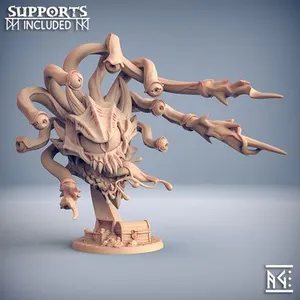


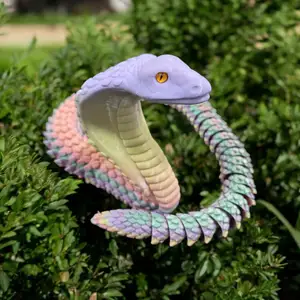

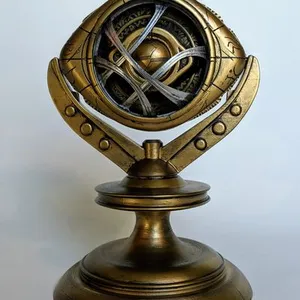

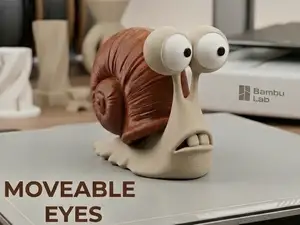


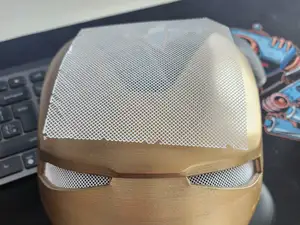

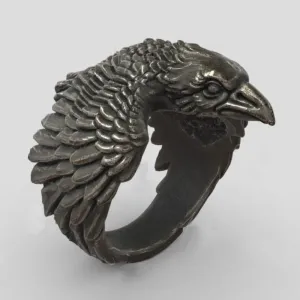
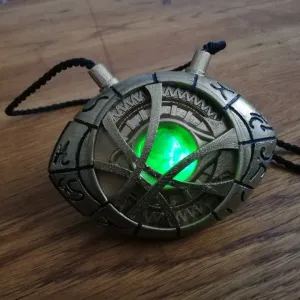


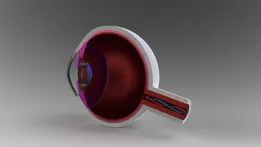
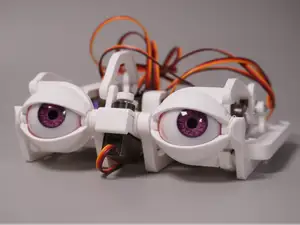




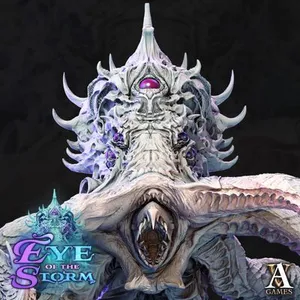

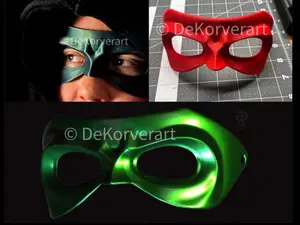

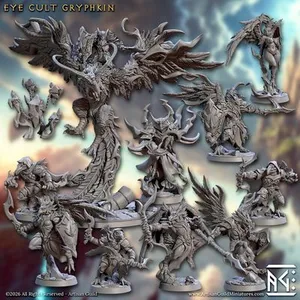

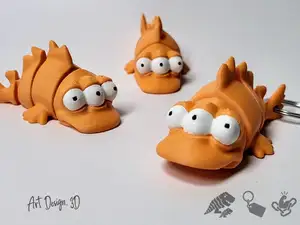

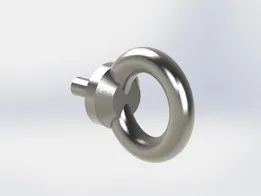


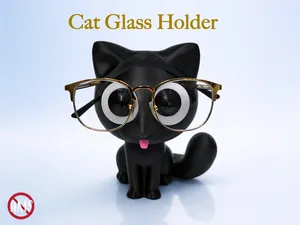

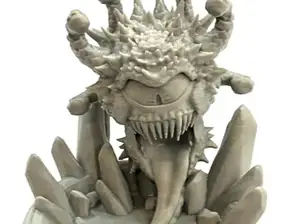

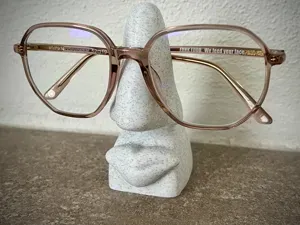
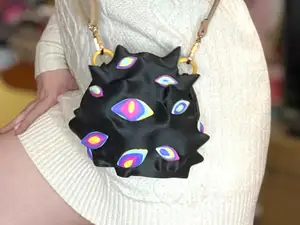

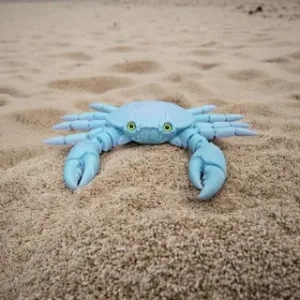
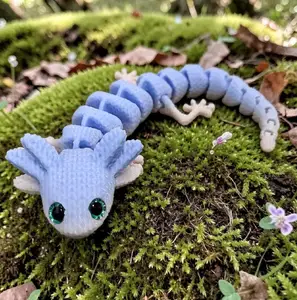
Static eyeballs and anatomical eye models differ from doll eyes mainly in scale and mounting: the first are usually printed as display pieces, while the second come with a stem or a socket to glue into fabric. Animatronic and articulated versions add several parts, a pivot or a mount for a small motor, so clearance between moving surfaces matters more than surface finish. Fantasy and prop eyes, such as amulet or creature designs, often combine a printed shell with a transparent insert.
On the author's model page, check the stated size and scale first, since eye models are often scaled to fit a specific toy or figure. Look at the number of parts, whether assembly is required, and whether the author lists supports, layer height or material. Photos of real prints show how the iris and pupil read after printing; a multi-colour print, a painted surface and a separate insert all give different results.
Search terms can be narrowed by function: eyeball, doll eye, googly eye, eye patch, animatronic eye or eye mechanism. Related topics include amulet and prop replicas, articulated toys, puppet and mask parts, and miniature figure accessories. Adding a size in millimetres, a material or a mounting type to the query usually shortens the list faster than browsing.


Le catalogue complet des thèmes, de la maison à la CNC, avec une recherche sur tous les sites connectés.