
Gratuit 
Humpback Whale
Thingiverse
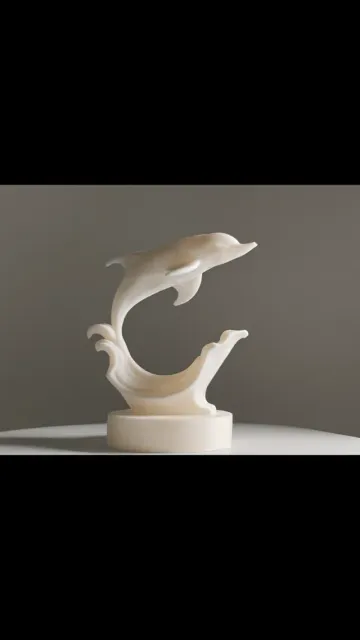
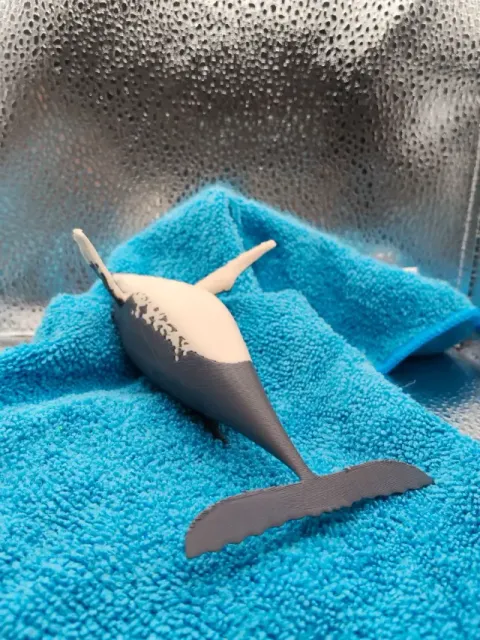
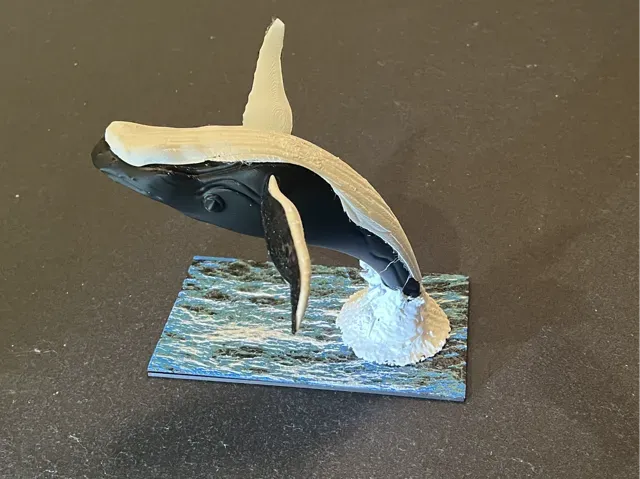
This collection gathers humpback whale models made for 3D printing, from articulated flexi figures to breaching poses, sculptures and lithophanes. It helps you compare how each type is built before you commit filament and time to a print. Polyzon does not confirm whether models are free, their price, license, official status, affiliation, safety or fitness. Check the current terms at the source.
Le texte de cette collection est rédigé en anglais ; la recherche, elle, fonctionne dans toutes les langues.
 Une collection Polyzon · 47 modèles sur 3 plateformes
Polyzon compose cette collection à partir des résultats de recherche des plateformes connectées. Les doublons et les modèles sans aperçu sont retirés, les correspondances faibles sont placées à la fin, et le reste suit l’ordre de la recherche. Les modèles appartiennent à leurs auteurs : consultez les conditions sur la page de chaque modèle.
Règles de sélection : la rédaction de Polyzon · Texte mis à jour le 15/10/2026

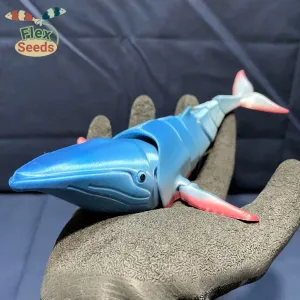

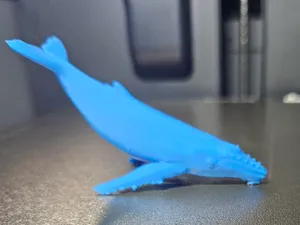
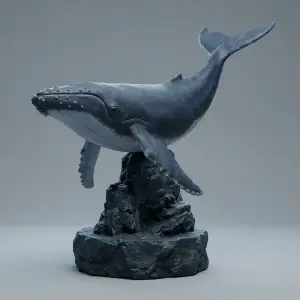

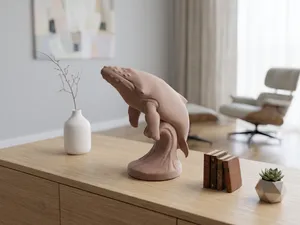

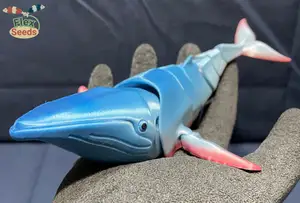
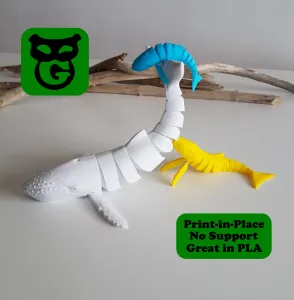

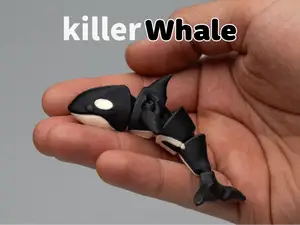
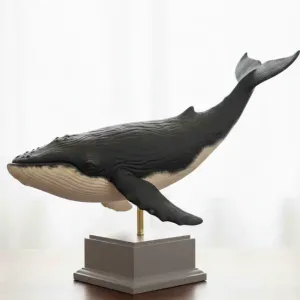

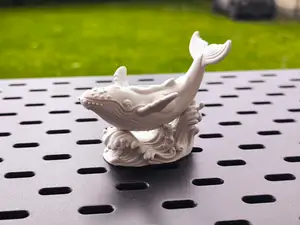
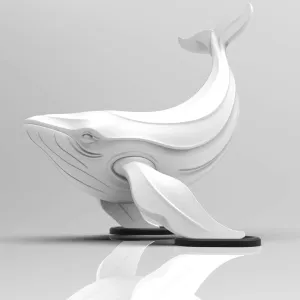

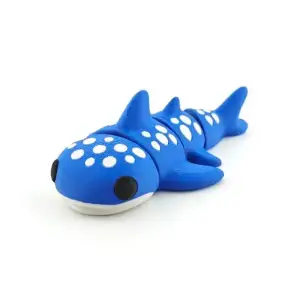

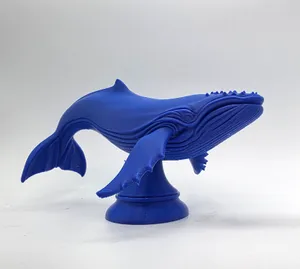
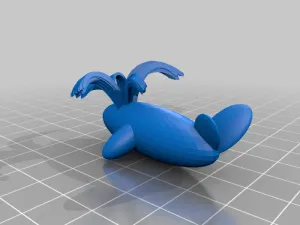

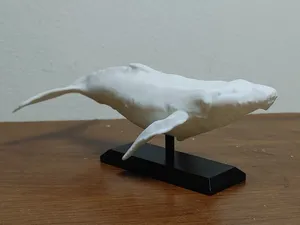
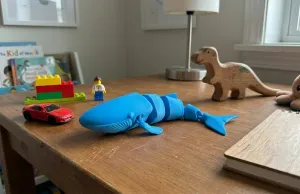

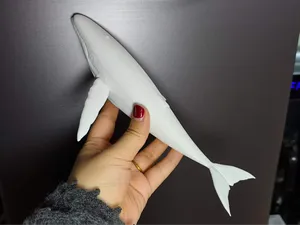
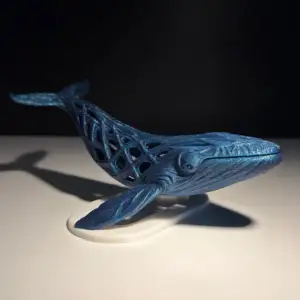

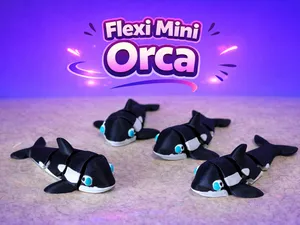
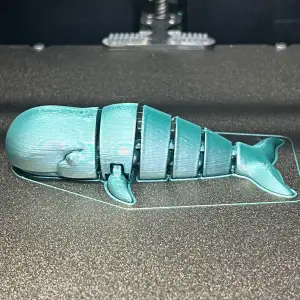


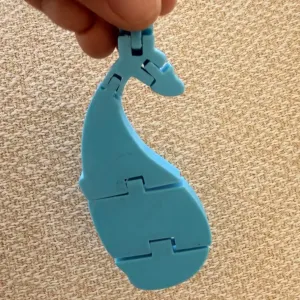

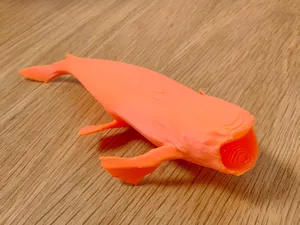
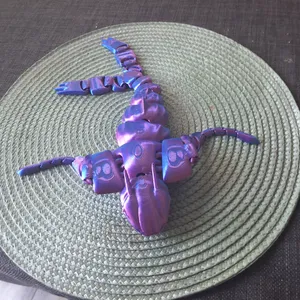

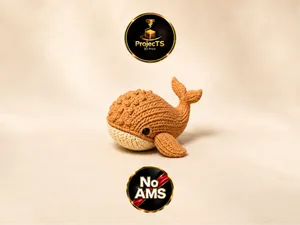
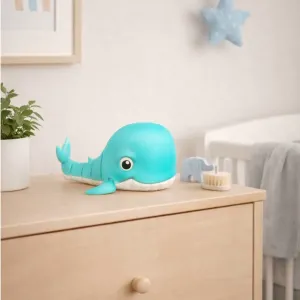

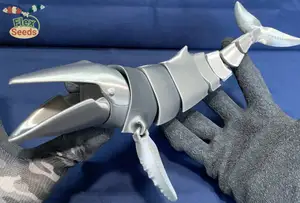
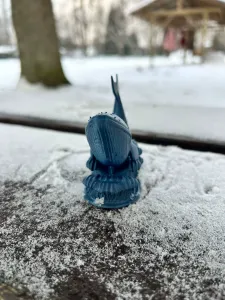
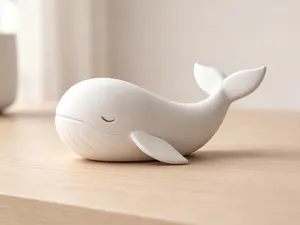
The models fall into a few clear groups. Articulated flexi whales are printed as one piece with moving segments, so the joints decide how the finished figure behaves. Breaching models capture the animal mid-jump above the surface and often need a base or a stand to hold that pose. Sculptures and minimalist display pieces are static, with the shape and surface detail carrying the result, while lithophanes turn an image into a thin panel that reads when light passes through it.
Before printing, open the author's model page and read what is listed there: overall size and scale, how many parts the file contains, whether the pose is split for assembly, and whether supports are needed. For articulated models, look at the joint gaps and the orientation the author recommends, since scaling the model up or down changes those clearances. Check the material and settings the author notes, and look at photos of real prints to judge surface quality and how the segments move.
If the results feel narrow, widen the wording. Whale, humpback, buckelwal and cetacean all appear in titles, and terms like flexi, articulated, print-in-place, breaching, ocean surface and sculpture describe how a model is made rather than what it shows. Related searches such as marine animals, ocean creatures or sea life bring in neighbouring subjects, and combining an animal name with a print style usually narrows the list faster than either term alone.
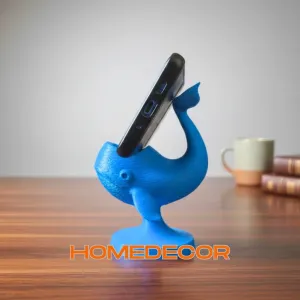


Le catalogue complet des thèmes, de la maison à la CNC, avec une recherche sur tous les sites connectés.