Gratuit 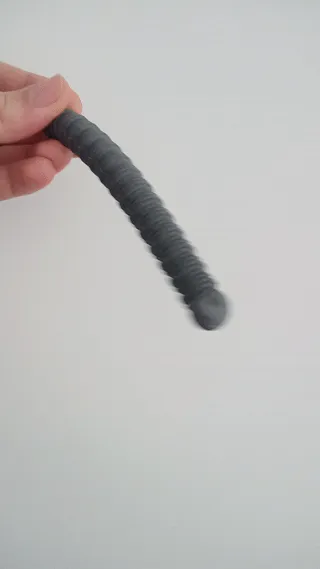
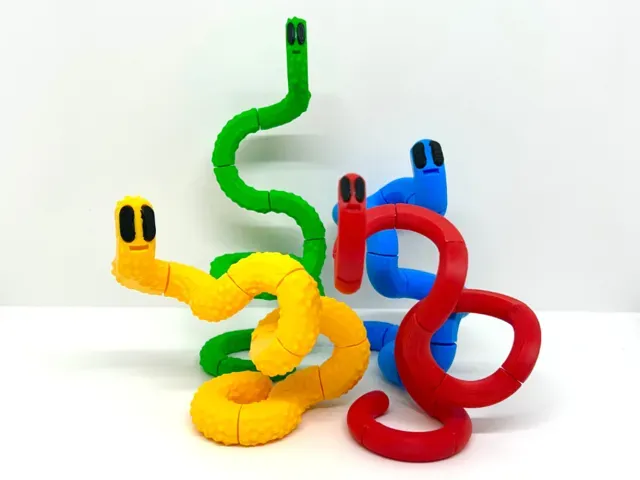
Happy worm - flexible antistress toy
MakerWorld
This collection covers antistress worm designs shared across 3D-printing platforms: articulated flexi creatures, squishy morf-style fidgets, gear mechanisms and small ring keyrings. Each entry leads to the author's page, where scale, part count and print settings can be compared before you slice an STL. It is useful when you want a small 3D printer project built around movement rather than display. Polyzon does not confirm whether models are free, their price, license, official status, affiliation, safety or fitness. Check the current terms at the source.
Le texte de cette collection est rédigé en anglais ; la recherche, elle, fonctionne dans toutes les langues.
 Une collection Polyzon · 48 modèles sur 6 plateformes
Polyzon compose cette collection à partir des résultats de recherche des plateformes connectées. Les doublons et les modèles sans aperçu sont retirés, les correspondances faibles sont placées à la fin, et le reste suit l’ordre de la recherche. Les modèles appartiennent à leurs auteurs : consultez les conditions sur la page de chaque modèle.
Règles de sélection : la rédaction de Polyzon · Texte mis à jour le 15/10/2026
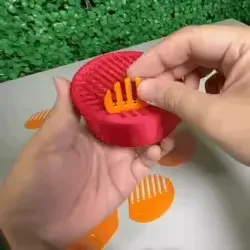

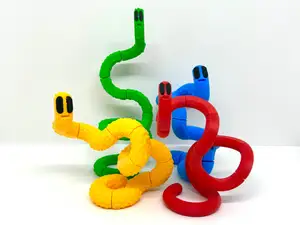
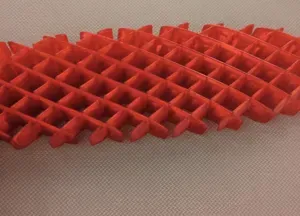
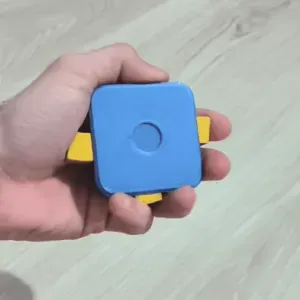
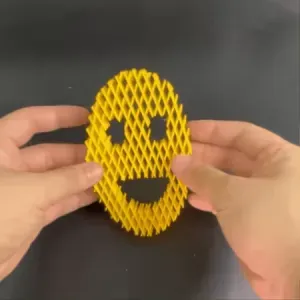

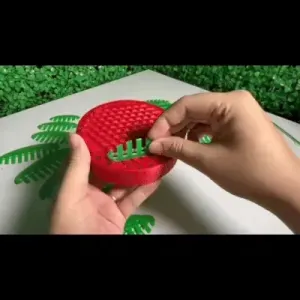

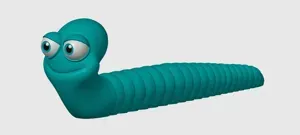
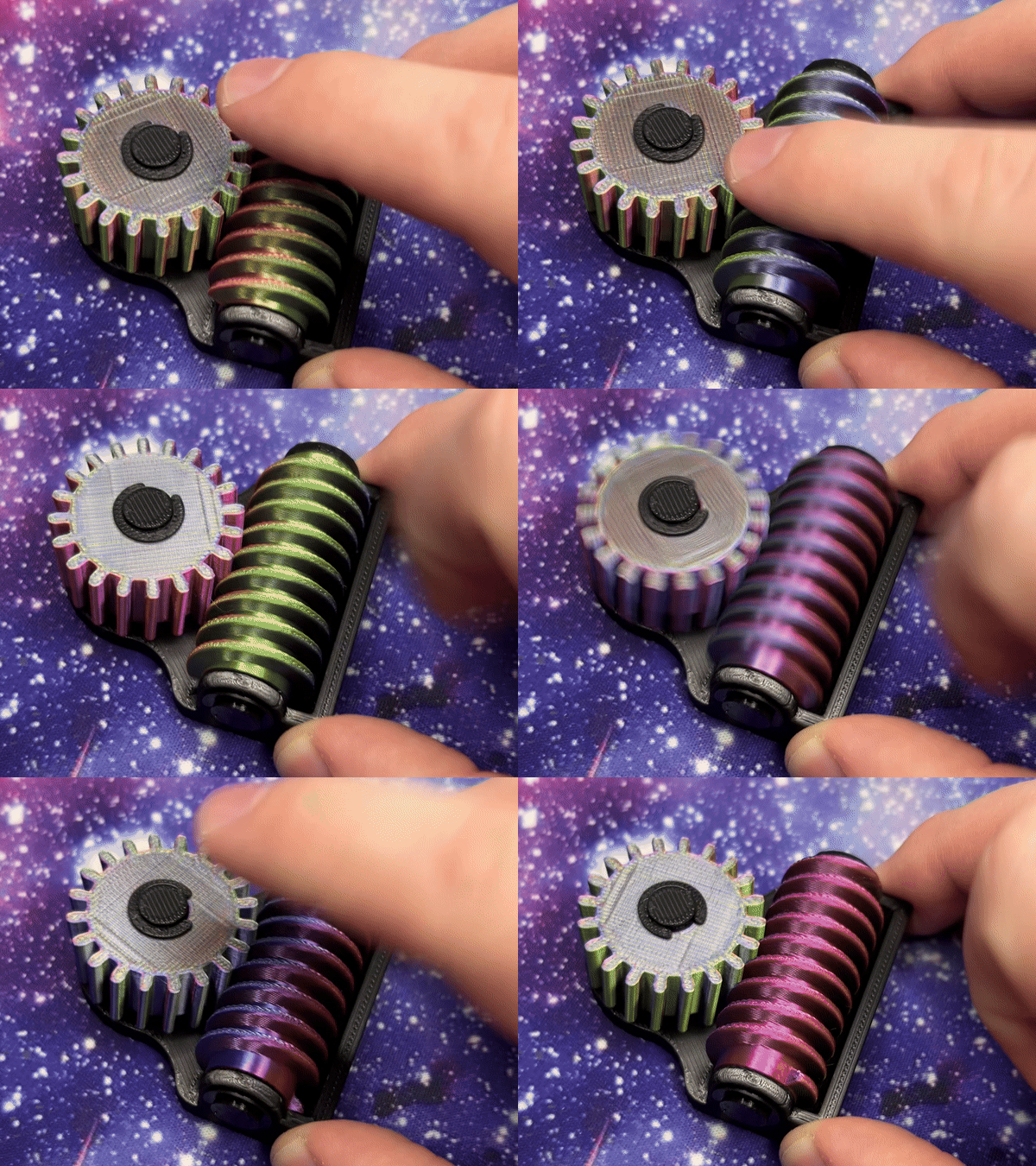



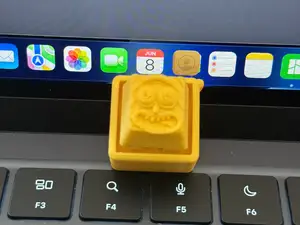
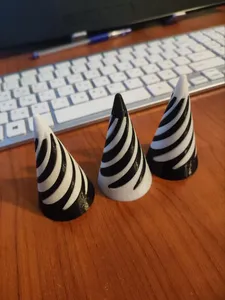

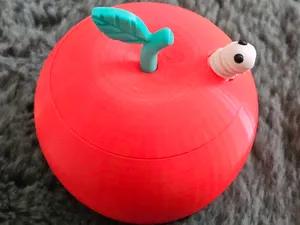

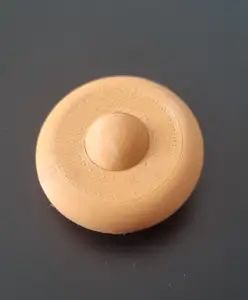
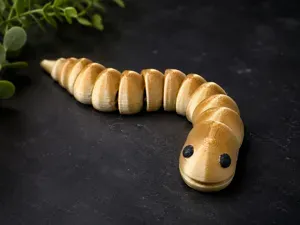

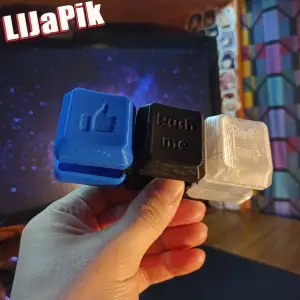
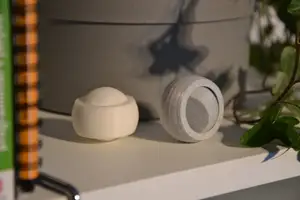
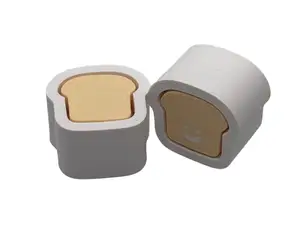


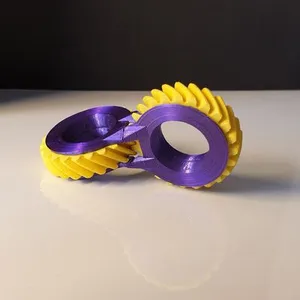
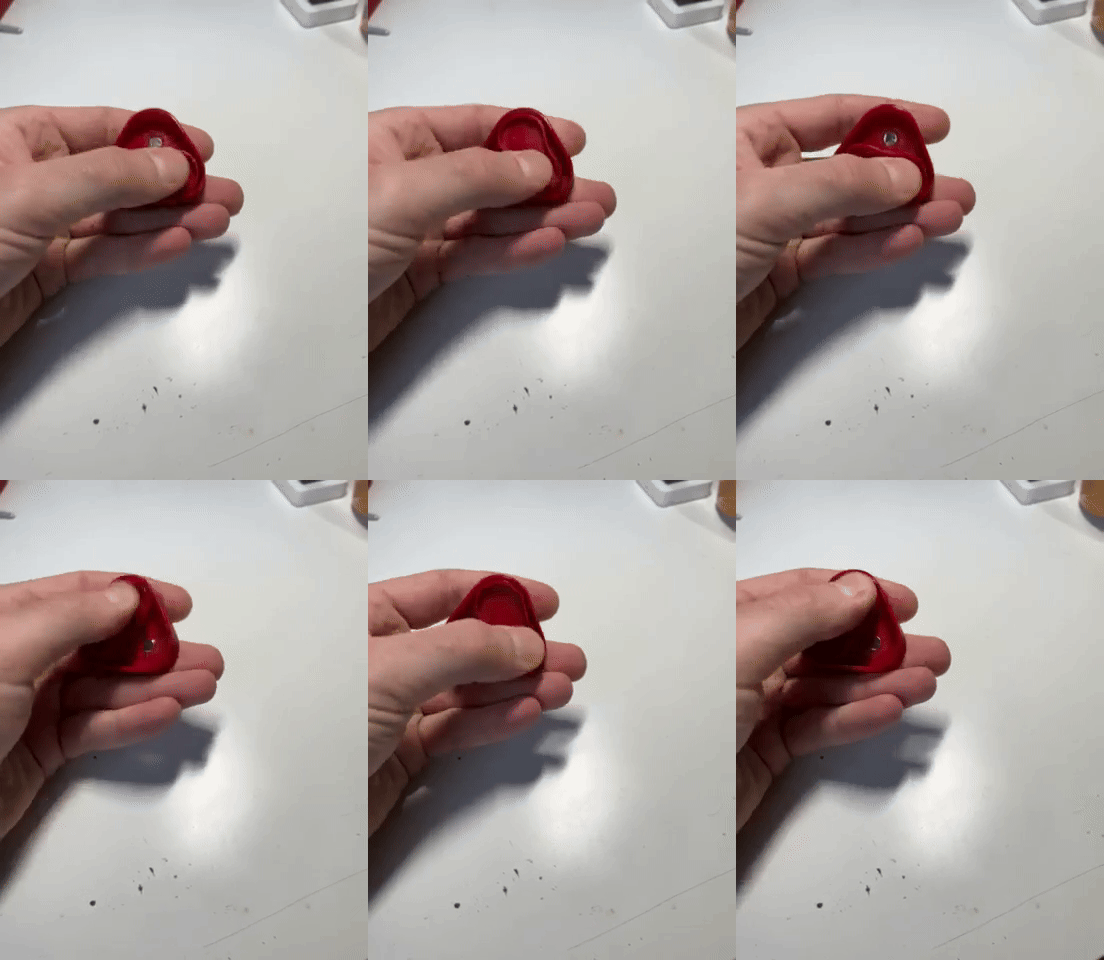
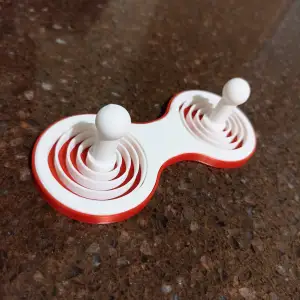
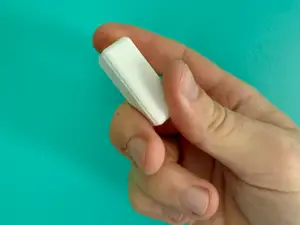


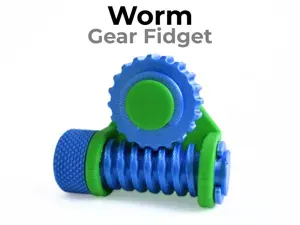

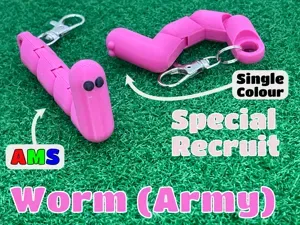

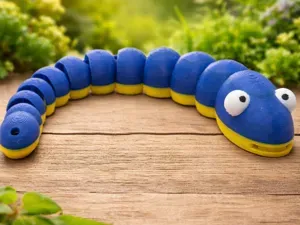
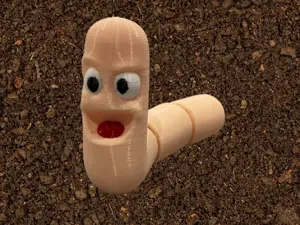
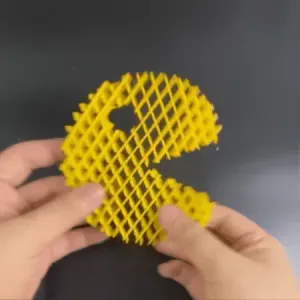
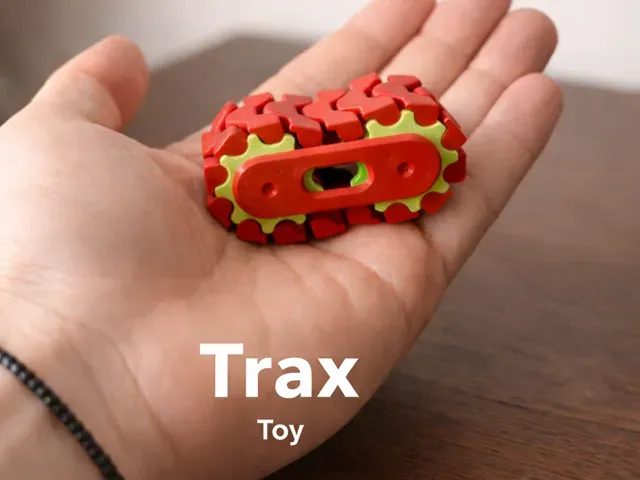
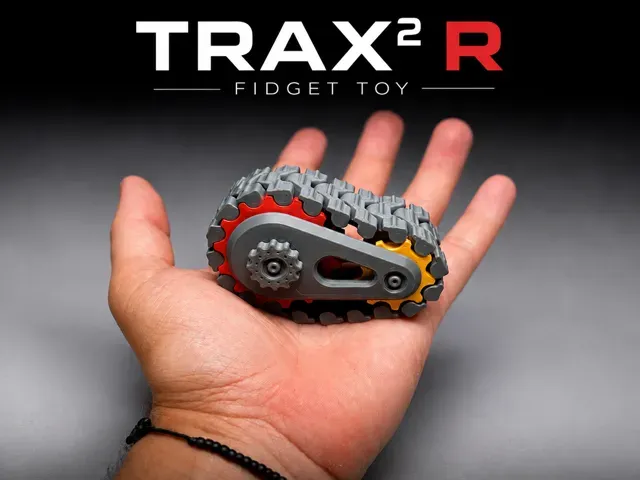
Articulated worms print as a single piece with joints built into the mesh, while squishy morf-style worms rely on thin walls and a soft filament to bend in the hand. Gear-based antistress toys use rotating rings or helical teeth, and clicker or joystick variants work through a button press instead of flexing. The differences show up mainly in part count, moving joints and how much post-processing each design asks for.
On the author's model page, look at the stated size and scale first, since a keyring worm and a desk-sized one call for different nozzle and layer choices. Check the number of parts and whether assembly is required, then read the notes on supports, orientation and material. Photos of real prints help you judge how the joints behave once printed.
If the results feel narrow, try synonyms such as flexi, articulated, wiggle, squishy, fidget, clicker or gyroscopic. Related topics like gear toys, keyrings, desk toys or caterpillar and snake figures often surface similar mechanisms. Combining a creature name with a mechanism word usually narrows the list faster than one broad term.


Le catalogue complet des thèmes, de la maison à la CNC, avec une recherche sur tous les sites connectés.