Gratuit 
3D-printable sand play set
Thingiverse
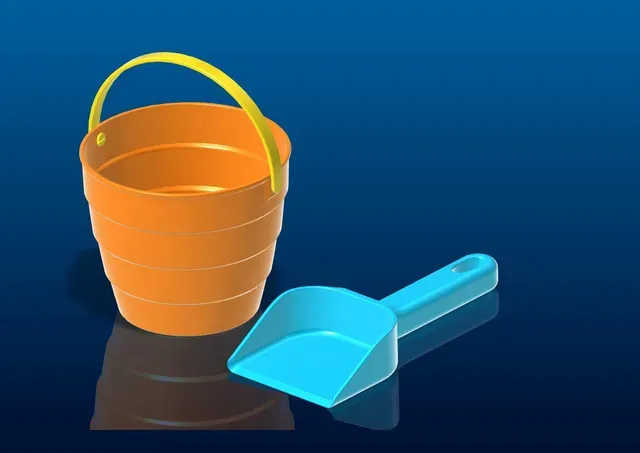
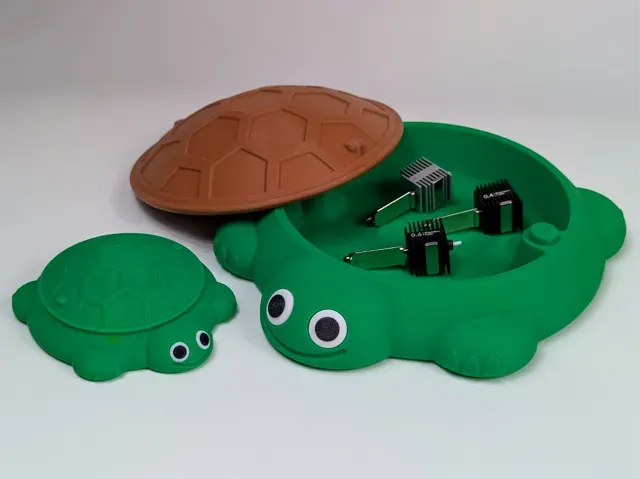
This collection gathers 3D models meant for sandbox and beach play: buckets and spades, castle molds, turtle-shaped boxes and small vehicles. Most of them are simple shapes that a home 3D printer can handle in one or a few parts. It helps when you want to replace a lost toy or add something new to the sand pit. Polyzon does not confirm whether models are free, their price, license, official status, affiliation, safety or fitness. Check the current terms at the source.
Le texte de cette collection est rédigé en anglais ; la recherche, elle, fonctionne dans toutes les langues.
 Une collection Polyzon · 48 modèles sur 4 plateformes
Polyzon compose cette collection à partir des résultats de recherche des plateformes connectées. Les doublons et les modèles sans aperçu sont retirés, les correspondances faibles sont placées à la fin, et le reste suit l’ordre de la recherche. Les modèles appartiennent à leurs auteurs : consultez les conditions sur la page de chaque modèle.
Règles de sélection : la rédaction de Polyzon · Texte mis à jour le 12/10/2026
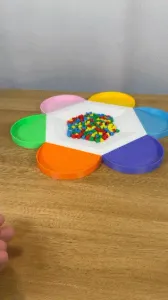


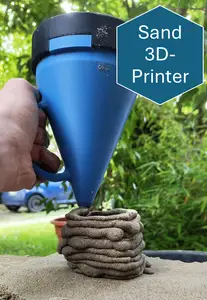

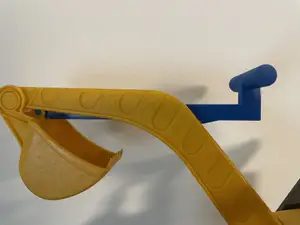
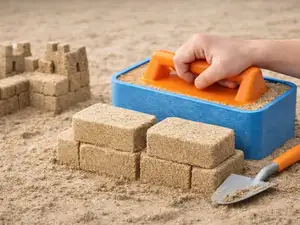
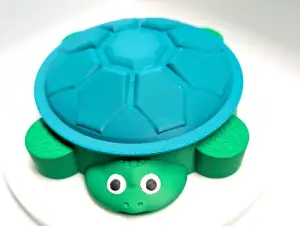

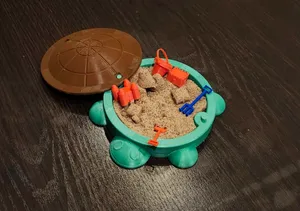

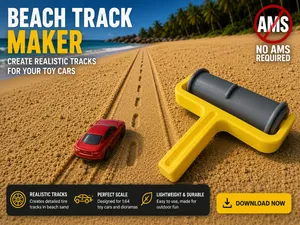
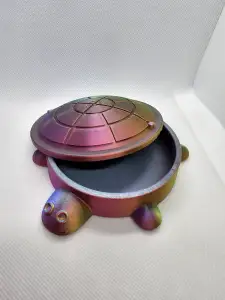

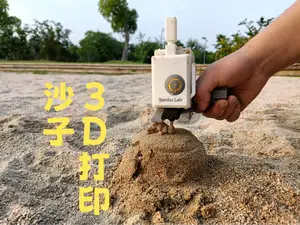
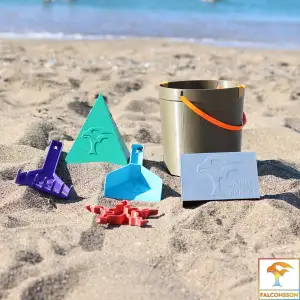

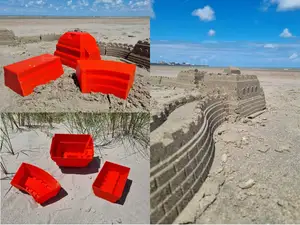
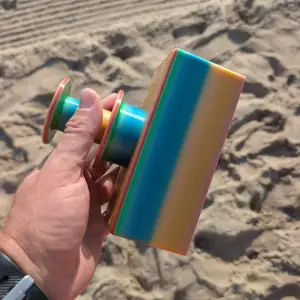

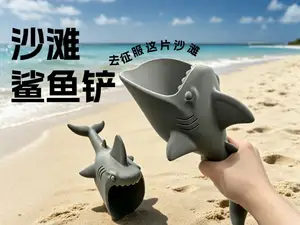
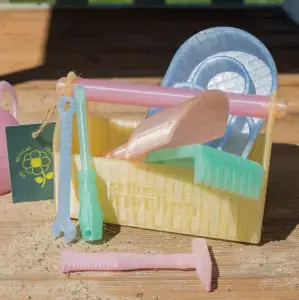

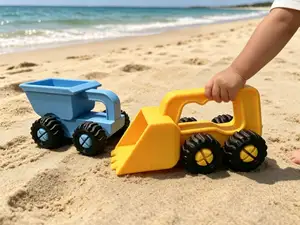
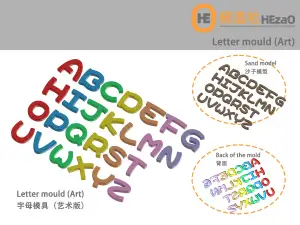

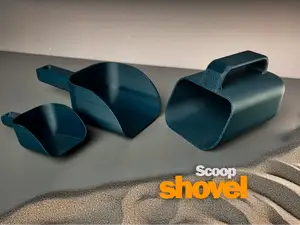
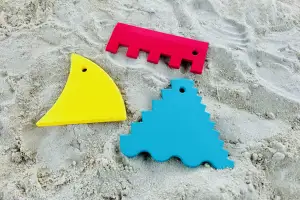

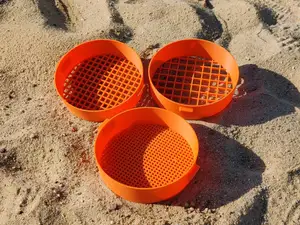
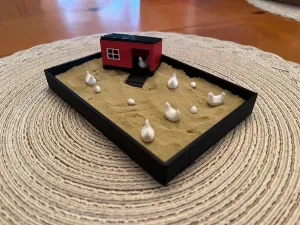

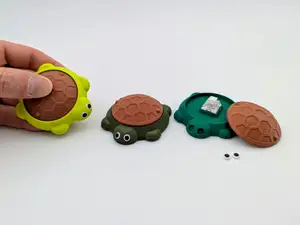
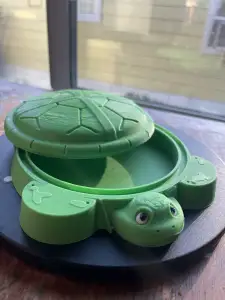

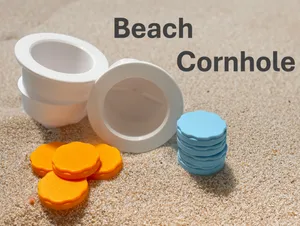
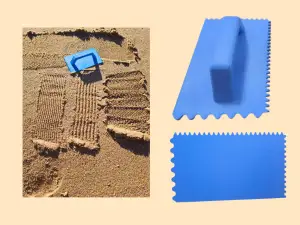

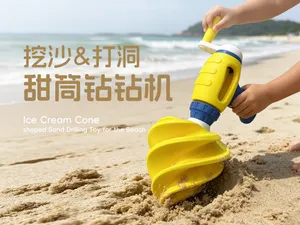
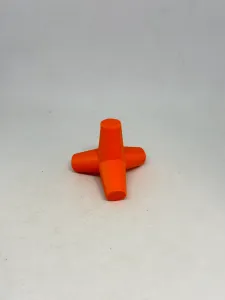

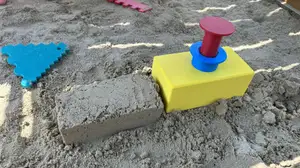
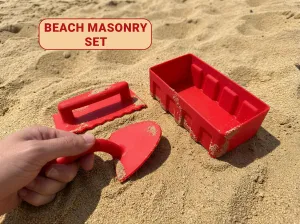
The range splits roughly into digging tools, molding tools and containers. Buckets, spades and hand diggers are usually single printed pieces, while castle kits and block formers often come as several molds that are used one after another. Turtle-shaped sandboxes appear both as full-size shells and as miniature versions that hold small accessories. Vehicles and construction toys sit between play and building, since some are printed as a body with separate wheels or a moving arm.
When you open a model page, look at the listed size and scale first, because a mold printed at half size gives a different shape than the one in the photos. Check how many parts the author describes, whether the parts are joined with pins, screws or glue, and whether supports are mentioned in the print notes. Material and layer height matter for thin walls and handles: a spade blade or a bucket wall printed too thin can crack in wet sand. Photos of real prints, rather than renders, show how the surface and the joints actually come out.
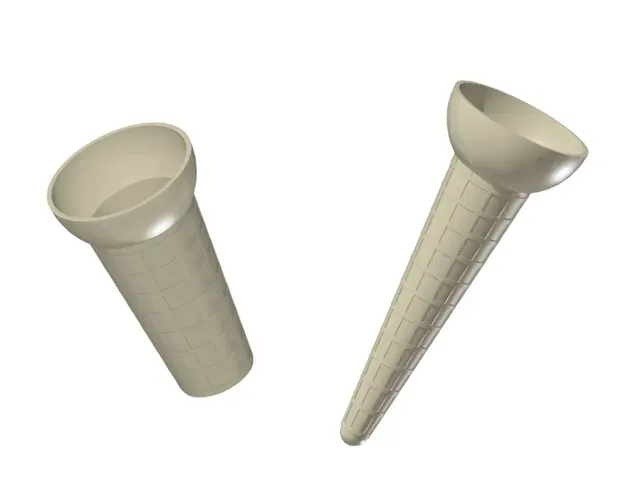
If the results feel narrow, try the words people use for the same objects: sand pit, beach toy, digger, scoop, mold, former, bucket, spade. Related topics that often bring useful files are sandcastle building, water and snow play, since block formers are shared between them, and miniature garden or tabletop scenery that reuses the same molds. Searching by shape, such as turtle, star or cone, also helps when you already know what you want to print.


Le catalogue complet des thèmes, de la maison à la CNC, avec une recherche sur tous les sites connectés.