Gratuit 
StarWars STORMTROOPER!!
Thingiverse
This collection gathers 3D printing models for toy figures, from articulated creatures to character figurines and small desk toys. You can compare scale, joint design and part counts across several styles. It is a starting point for finding an STL that fits your 3D printer and the look you have in mind. Polyzon does not confirm whether models are free, their price, license, official status, affiliation, safety or fitness. Check the current terms at the source.
Le texte de cette collection est rédigé en anglais ; la recherche, elle, fonctionne dans toutes les langues.
 Une collection Polyzon · 47 modèles sur 4 plateformes
Polyzon compose cette collection à partir des résultats de recherche des plateformes connectées. Les doublons et les modèles sans aperçu sont retirés, les correspondances faibles sont placées à la fin, et le reste suit l’ordre de la recherche. Les modèles appartiennent à leurs auteurs : consultez les conditions sur la page de chaque modèle.
Règles de sélection : la rédaction de Polyzon · Texte mis à jour le 15/10/2026
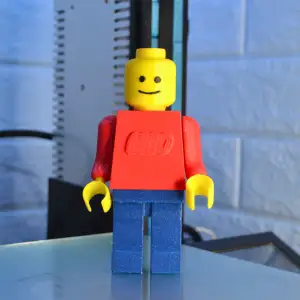

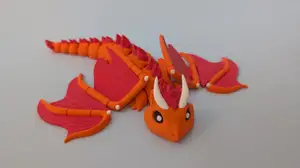
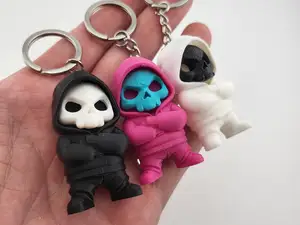
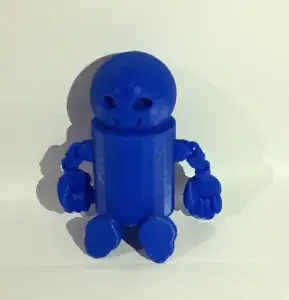

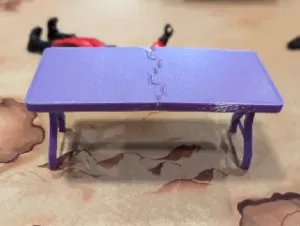
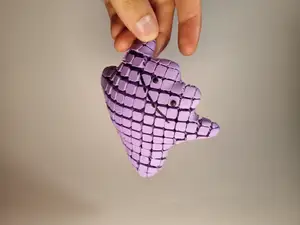
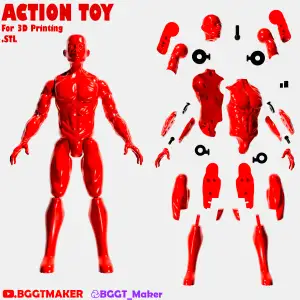

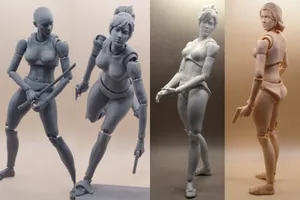
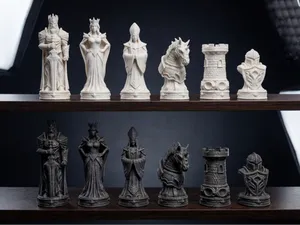
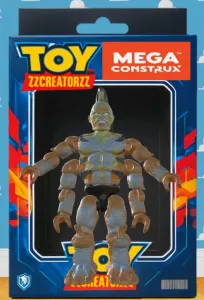


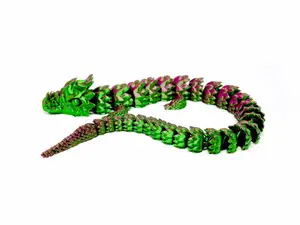
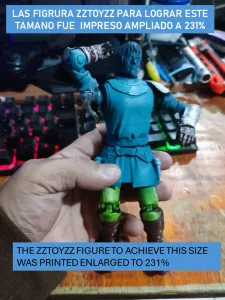

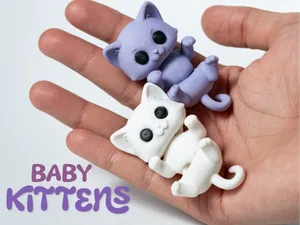
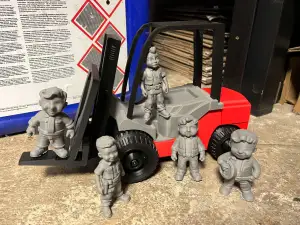


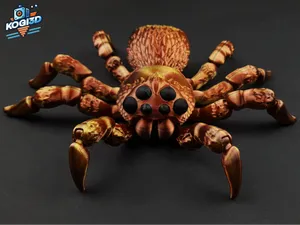
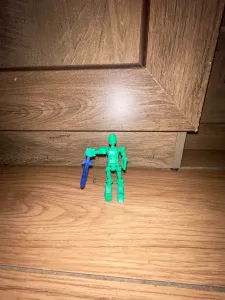

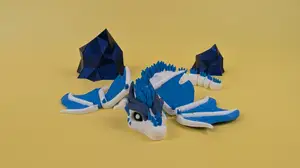
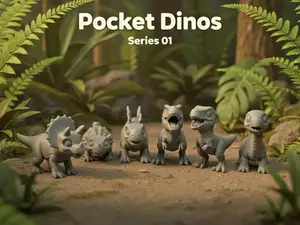
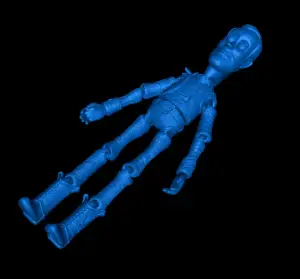

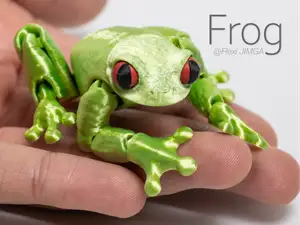
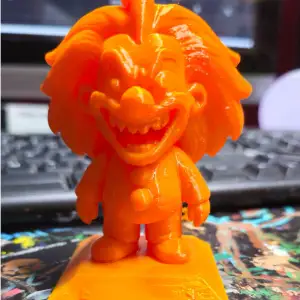

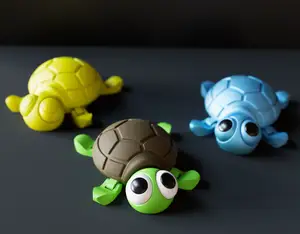
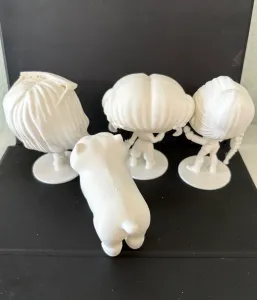

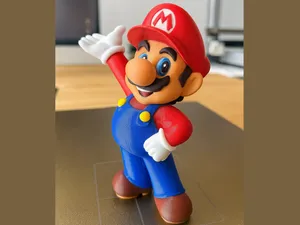
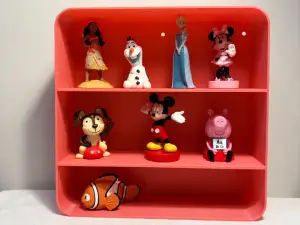
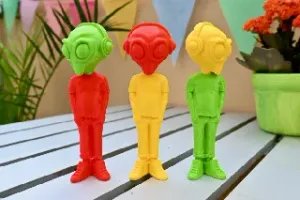
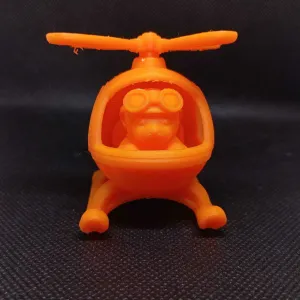


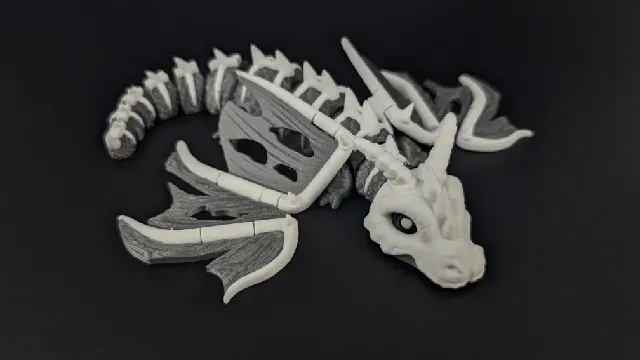
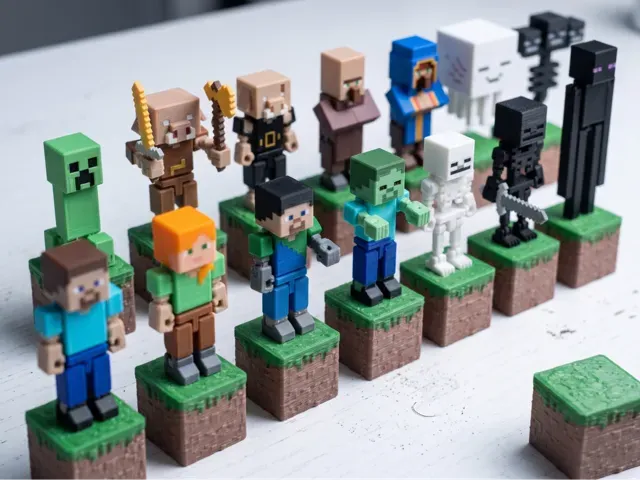
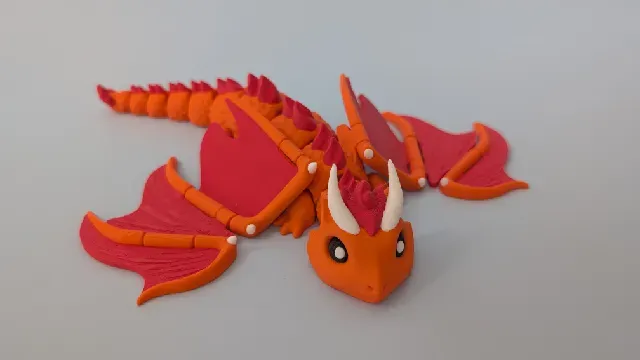
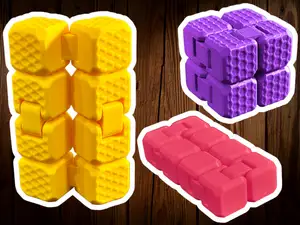
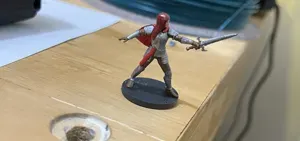
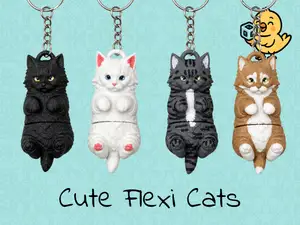
Articulated creatures and dragons are usually printed as one piece, with the joints formed in the mesh itself. Character figures more often come as separate parts that are assembled after printing, sometimes with pegs or pins. Display bases and stands form a third group: their footprint and scale matter more than surface detail, since a figure has to stand on them.
On the author's model page, check the overall size and scale first, then the number of parts and whether assembly or glue is required. Look at the material and print settings the author lists, and at photos of real prints to judge surface quality and joint clearance. For articulated models, the gap between moving parts is the detail most likely to cause trouble on a small nozzle.
Search terms can be broad or narrow: try articulated figure, flexi toy, action figure, figurine or display base, and add a scale such as 1/6 or a height in centimetres. Related topics include dioramas, keychains, chess sets and miniature characters, which often use the same printing approach.


Le catalogue complet des thèmes, de la maison à la CNC, avec une recherche sur tous les sites connectés.