
Gratuit 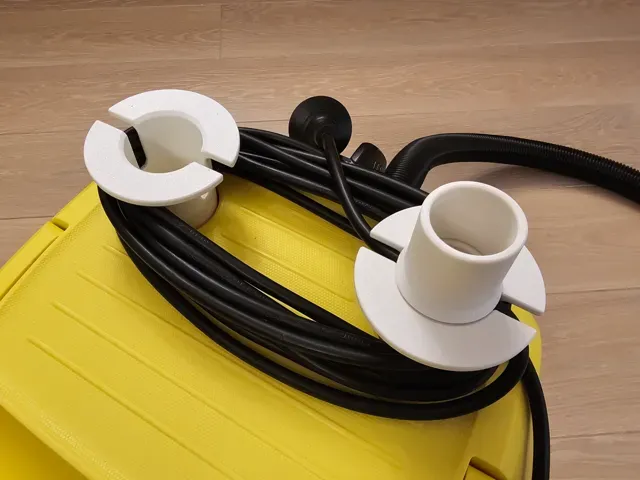
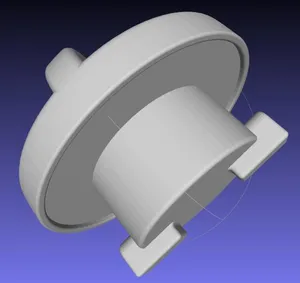
Karcher vacuum cleaner cable holder/ management
MakerWorld
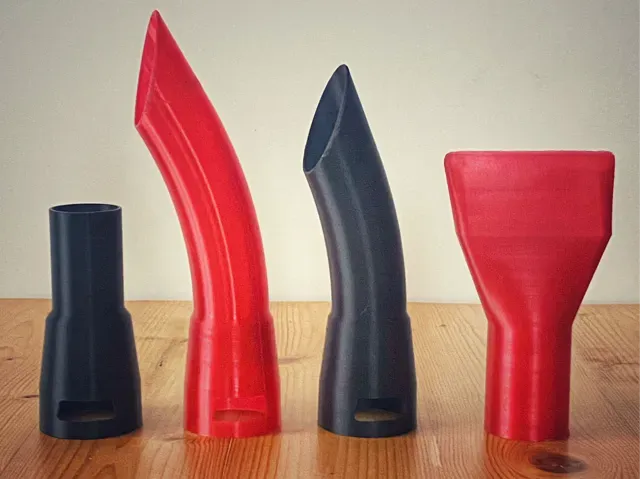
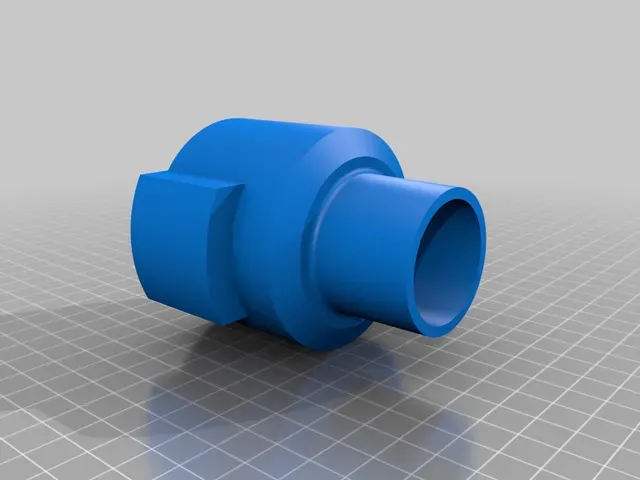
This collection gathers 3D models built around Karcher-style vacuum cleaners: hose adapters, nozzles, cyclone couplings and small repair parts. Most of them exist because a hose, a tool or a pipe from another maker does not meet the original connector. For 3D printing this is a practical niche, since a small printed ring or sleeve can bridge two diameters that were never meant to meet. Polyzon does not confirm whether models are free, their price, license, official status, affiliation, safety or fitness. Check the current terms at the source.
Le texte de cette collection est rédigé en anglais ; la recherche, elle, fonctionne dans toutes les langues.
 Une collection Polyzon · 48 modèles sur 5 plateformes
Polyzon compose cette collection à partir des résultats de recherche des plateformes connectées. Les doublons et les modèles sans aperçu sont retirés, les correspondances faibles sont placées à la fin, et le reste suit l’ordre de la recherche. Les modèles appartiennent à leurs auteurs : consultez les conditions sur la page de chaque modèle.
Règles de sélection : la rédaction de Polyzon · Texte mis à jour le 15/10/2026




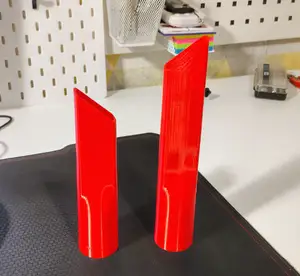


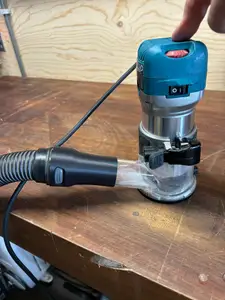
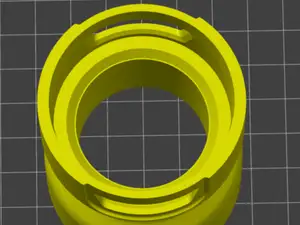


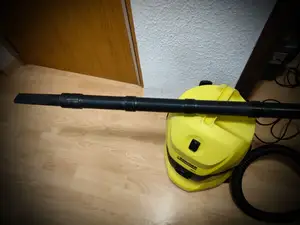

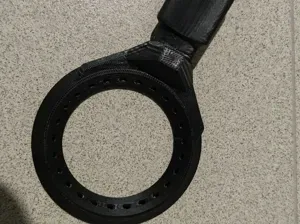


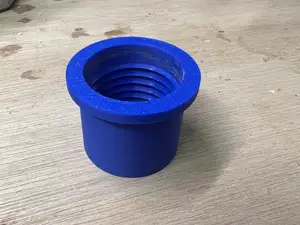

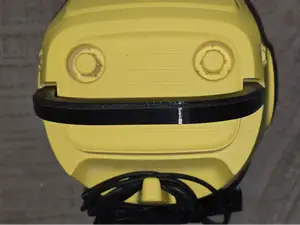
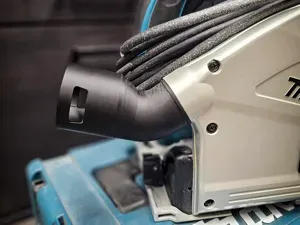

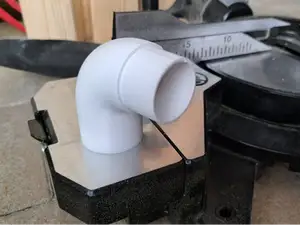


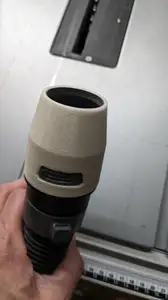

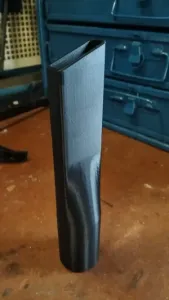


Adapters are the largest group and they differ mainly by the two ends they join: a vacuum port on one side, a hose, a pipe or a tool from another brand on the other. Nozzles form a second group, usually described by width and shape, from narrow crevice tools to wide floor heads. A third group covers cyclone separators and the couplings that link them to the vacuum inlet, plus occasional repair pieces such as handles, hooks and holders.
Before printing, read what the author lists: the inner and outer diameters of each end, the wall thickness, the number of parts and whether they assemble with screws, glue or a press fit. Check whether the model needs supports and how the author oriented it, because a round adapter printed flat can lose strength at the layer lines. Photos of real prints, the material and the settings the author used tell you more than the render.
If a search returns little, try the terms people use for the same object: vacuum hose adapter, shop vac connector, 35 mm nozzle, cyclone separator, dust extractor coupling. Adding a diameter or a tool type narrows the results quickly. Related topics such as workshop dust collection, router and sander extraction, or replacement handles for wet and dry vacuums often lead to the same kind of part.

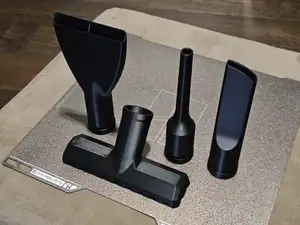


Le catalogue complet des thèmes, de la maison à la CNC, avec une recherche sur tous les sites connectés.