Gratuit 
Voronoi Planter
Thingiverse
This collection gathers cube-shaped planters published as STL files for 3D printing, from plain geometric pots to self-watering and modular versions. It helps you compare shapes, wall thickness and assembly before committing filament to a print. Polyzon does not confirm whether models are free, their price, license, official status, affiliation, safety or fitness. Check the current terms at the source.
Le texte de cette collection est rédigé en anglais ; la recherche, elle, fonctionne dans toutes les langues.
 Une collection Polyzon · 48 modèles sur 4 plateformes
Polyzon compose cette collection à partir des résultats de recherche des plateformes connectées. Les doublons et les modèles sans aperçu sont retirés, les correspondances faibles sont placées à la fin, et le reste suit l’ordre de la recherche. Les modèles appartiennent à leurs auteurs : consultez les conditions sur la page de chaque modèle.
Règles de sélection : la rédaction de Polyzon · Texte mis à jour le 14/10/2026


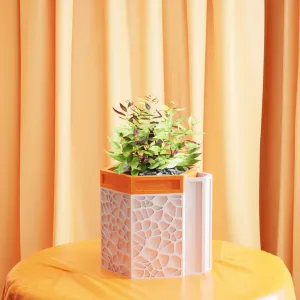


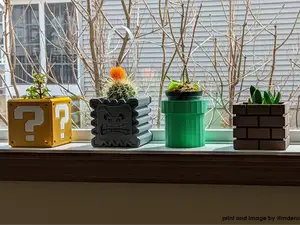
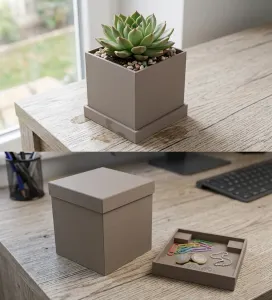


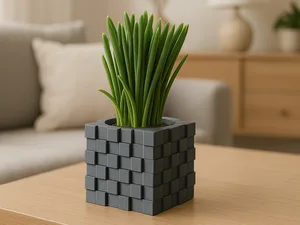
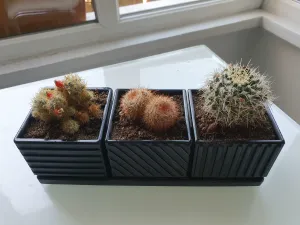

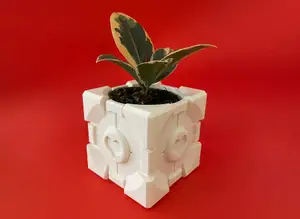
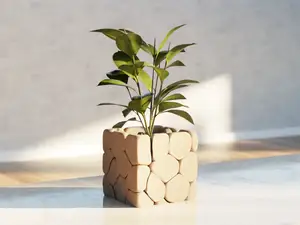
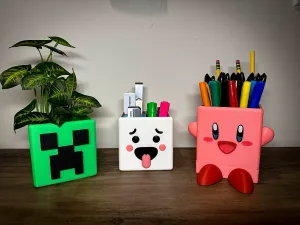

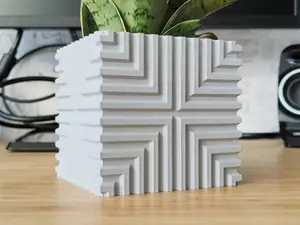
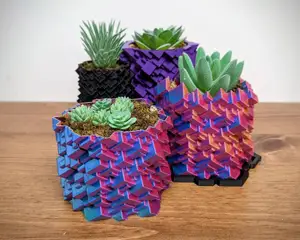
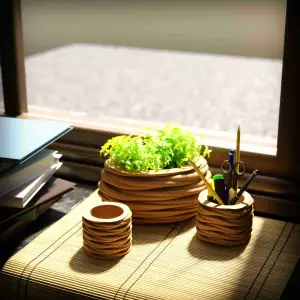

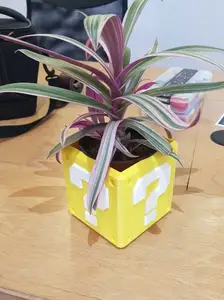
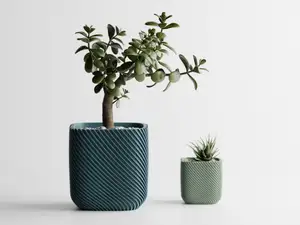
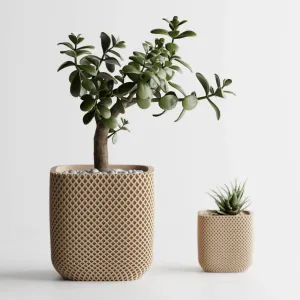


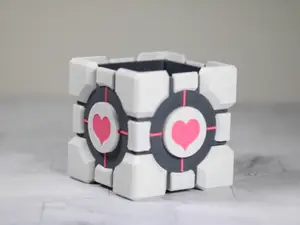
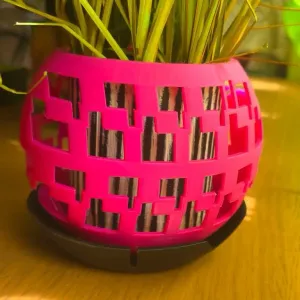



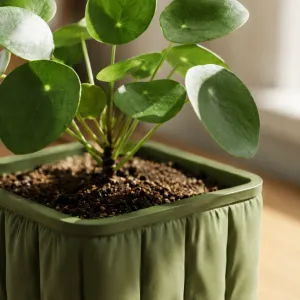

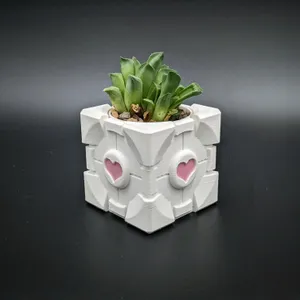
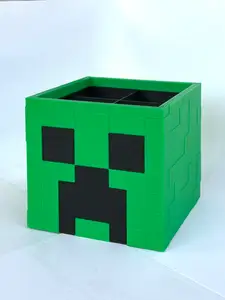
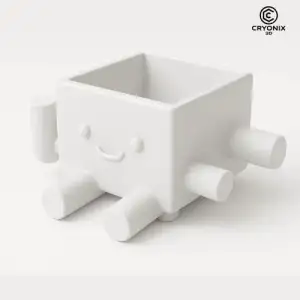


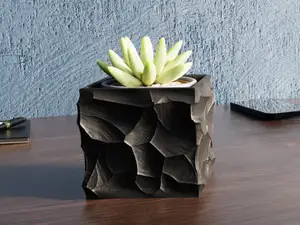
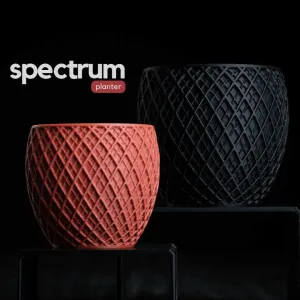


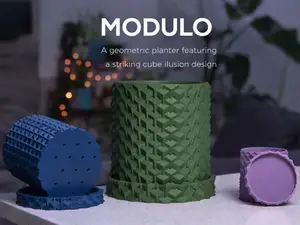
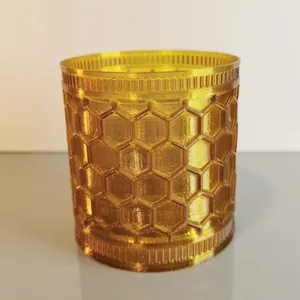
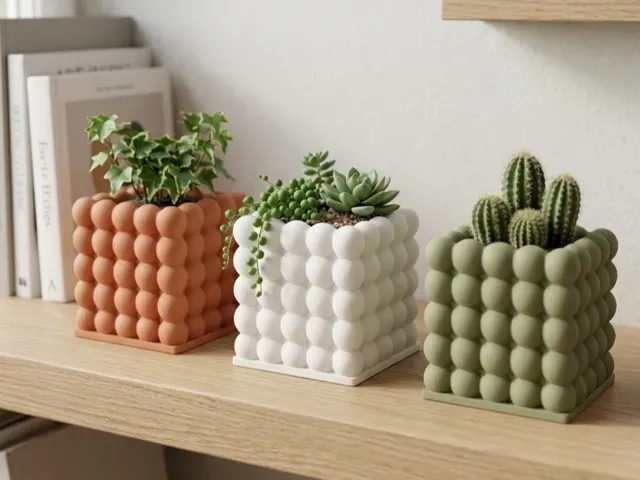
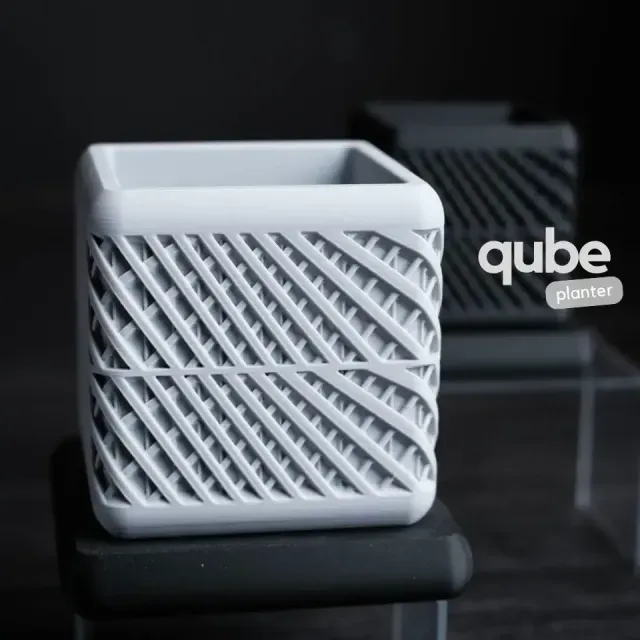
The models fall into a few recognizable groups. Some are simple faceted or pixelated cubes where the surface pattern is the main feature, others hide a water reservoir or a wick inside the body, and a third group borrows its outline from game or character motifs. Modular designs add separate trays or stacking elements, while vase-mode versions are drawn as a single continuous wall.
When choosing, open the author's page and read what is stated there: outer size and pot diameter, wall thickness, number of separate parts, and whether the overhangs need supports. Material matters for planters that hold wet soil, so check the filament type and layer height the author lists, and look at photos of real prints to judge how the corners and the top rim come out.
If the results feel narrow, try related wording: pot, vase, cachepot, succulent holder, or the shape itself, such as hexagonal, cylindrical or pixelated. Combining a shape word with a function word, for example self-watering or modular, usually narrows the list faster than browsing the whole topic.



Le catalogue complet des thèmes, de la maison à la CNC, avec une recherche sur tous les sites connectés.