Gratuit 
RC Catamaran Boat
Thingiverse
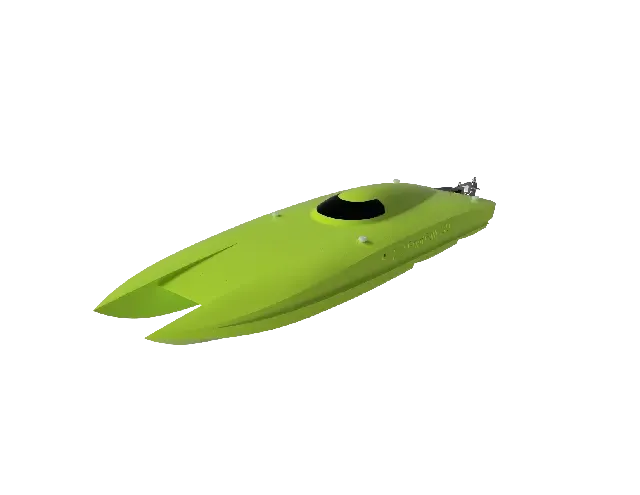
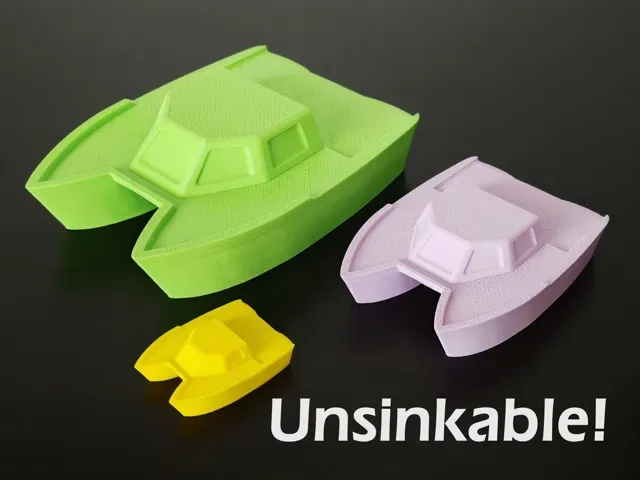
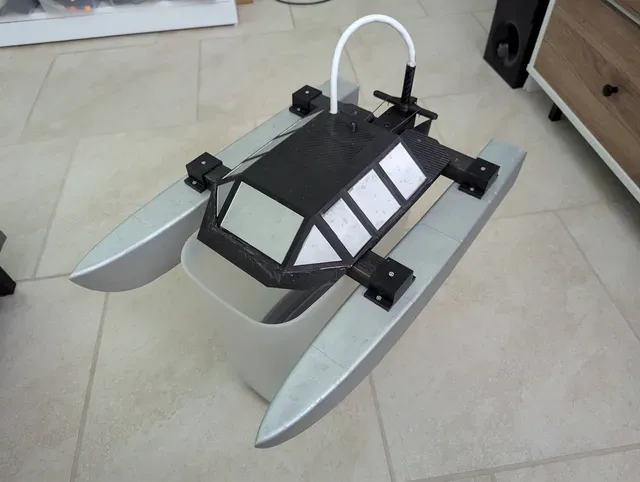
This collection gathers catamaran 3D models that range from motorized twin-hull boats to small water toys and simplified display pieces. Most of them are made for 3D printing in several parts, so the hulls, decks and fittings can be scaled or replaced. It is a useful starting point if you want an STL boat project that is more stable on water than a single-hull shape. Polyzon does not confirm whether models are free, their price, license, official status, affiliation, safety or fitness. Check the current terms at the source.
Le texte de cette collection est rédigé en anglais ; la recherche, elle, fonctionne dans toutes les langues.
 Une collection Polyzon · 48 modèles sur 5 plateformes
Polyzon compose cette collection à partir des résultats de recherche des plateformes connectées. Les doublons et les modèles sans aperçu sont retirés, les correspondances faibles sont placées à la fin, et le reste suit l’ordre de la recherche. Les modèles appartiennent à leurs auteurs : consultez les conditions sur la page de chaque modèle.
Règles de sélection : la rédaction de Polyzon · Texte mis à jour le 14/10/2026
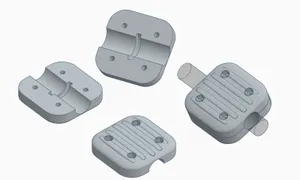
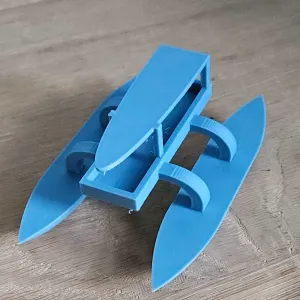

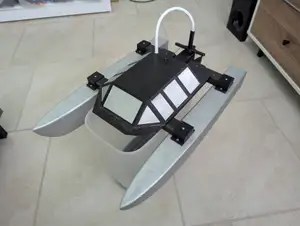
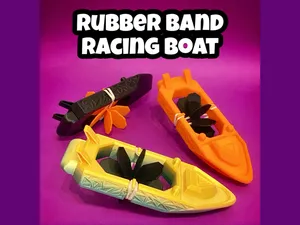
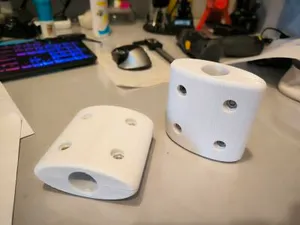
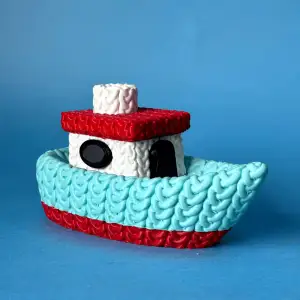

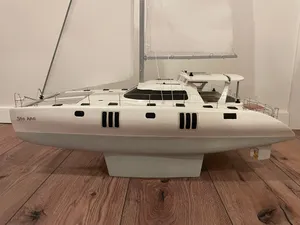
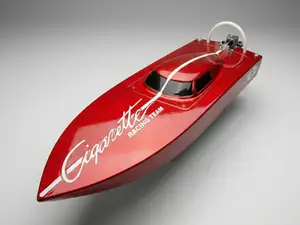
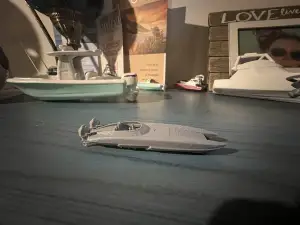

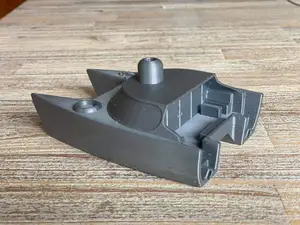
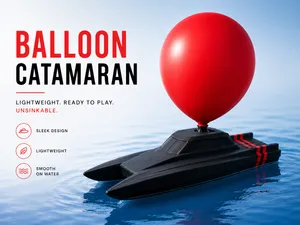
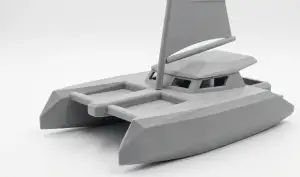

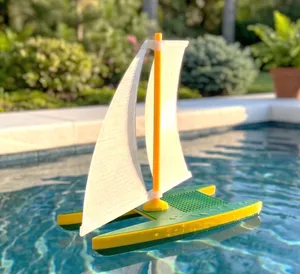
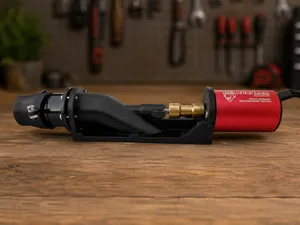

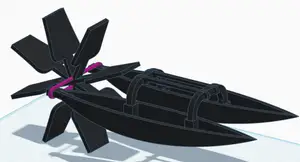
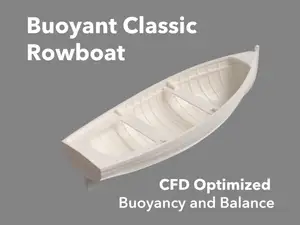
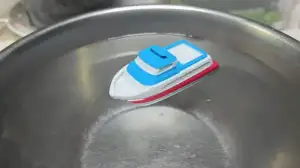

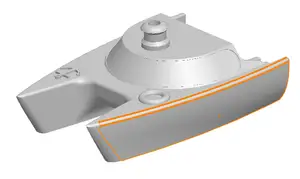
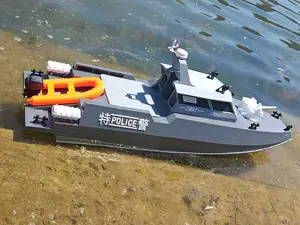
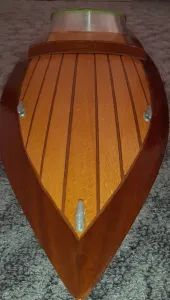

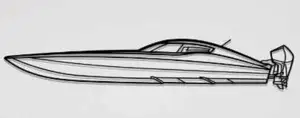
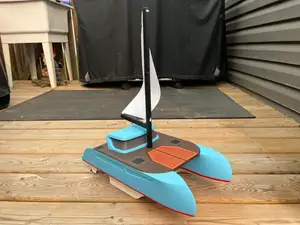
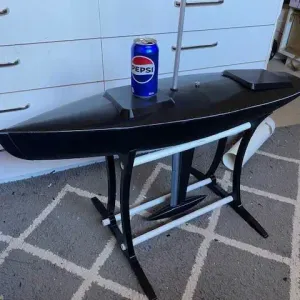

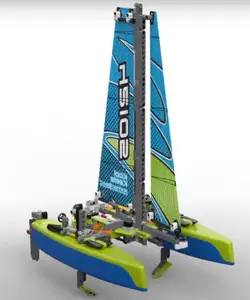
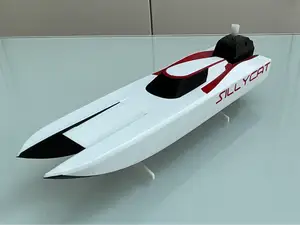
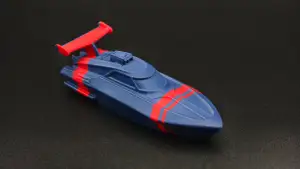

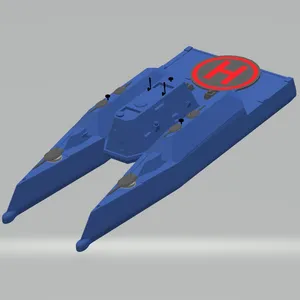
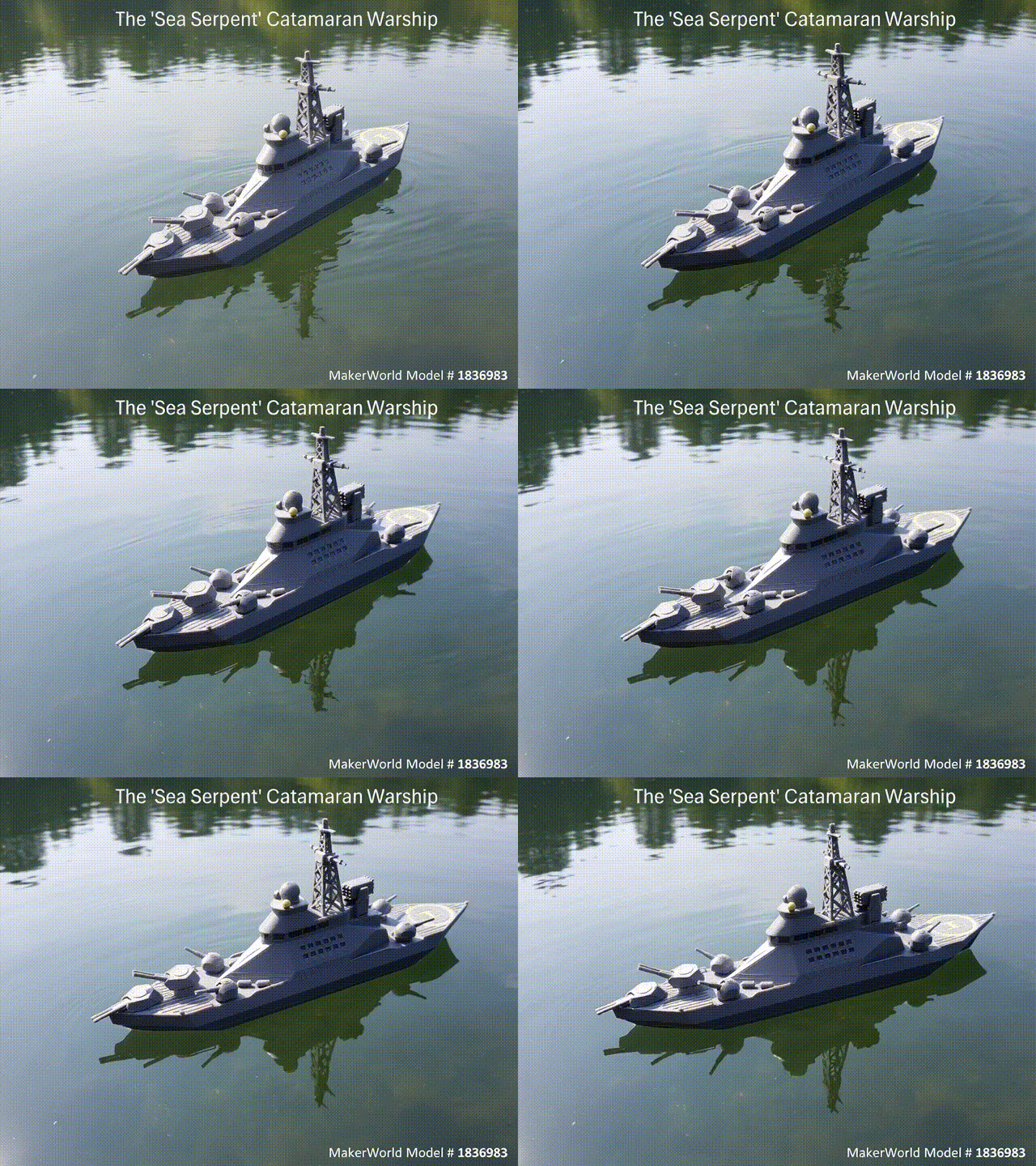
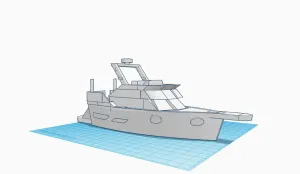


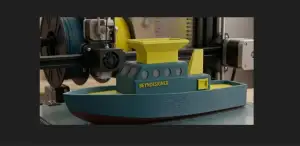

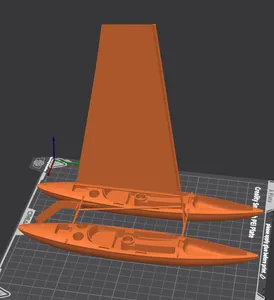
The models differ mainly in how they are meant to move. RC versions include space for a motor, shaft and rudder, and often a separate compartment for electronics. Balloon-driven boats use a nozzle at the stern and a simple hull, while sailing versions carry a mast, boom and keel or ballast. Pedal and spring mechanisms appear as an alternative for models that are pushed forward without any electronics, and stylized catamarans skip propulsion entirely and focus on shape.
Before printing, look at the author's page for hull wall thickness, how many parts the model has and how they join, and whether supports are listed. Check the material and settings the author mentions: parts that stay in water are often printed in PETG or ASA rather than standard PLA, with enough perimeters to close the shell. If the model is motorized, confirm the bay dimensions and the shaft diameter against the hardware you already have, and look at photos of real prints to judge how the seams and deck fit together.
Search results widen quickly once you change the wording. Besides catamaran, try twin-hull boat, RC boat, sailboat, bath toy or watercraft, and add modifiers such as rc, sail, balloon, spring or toy. Related topics like hovercraft, trimaran, tugboat or submarine hulls often use the same electronics and sealing approach, so they can be worth browsing when a specific hull does not match your plans.



Le catalogue complet des thèmes, de la maison à la CNC, avec une recherche sur tous les sites connectés.