Gratuit 
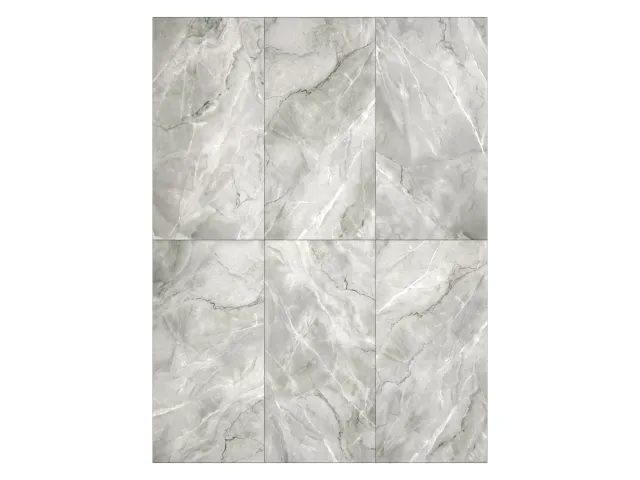
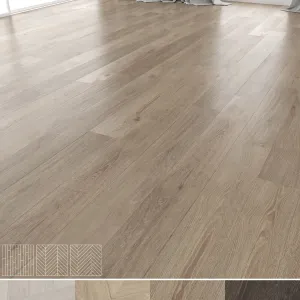
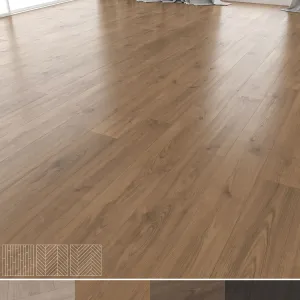
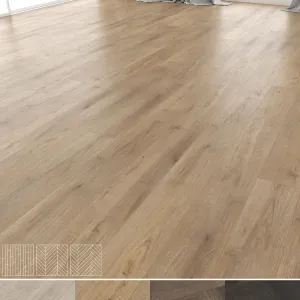
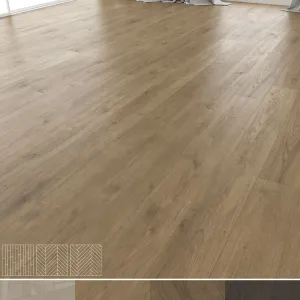
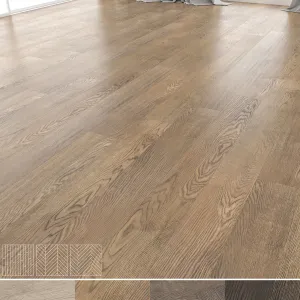
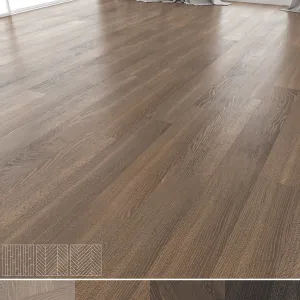
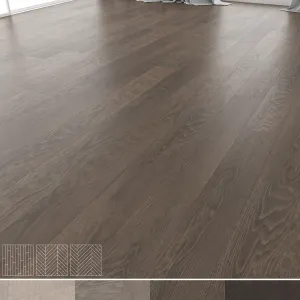
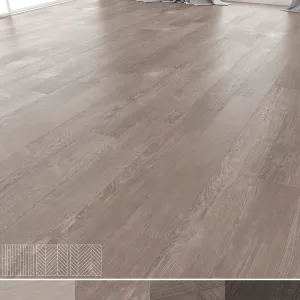
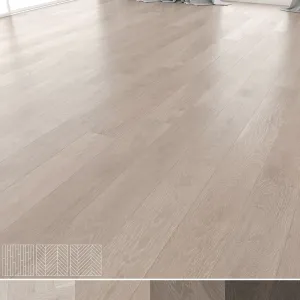
Porcelain Stoneware Patterned | Tile Texture
Sketchfab
This collection gathers STL files for porcelain stoneware and ceramic work: slip casting molds for cups, mugs and vases, decorative casting forms, and jigs for tile cutting and installation. Most files are made for a desktop 3D printer and then used as a master or as a working tool. It helps you find a starting shape quickly and compare how authors approach walls, parting lines and surface texture. Polyzon does not confirm whether models are free, their price, license, official status, affiliation, safety or fitness. Check the current terms at the source.
Le texte de cette collection est rédigé en anglais ; la recherche, elle, fonctionne dans toutes les langues.
 Une collection Polyzon · 48 modèles sur 8 plateformes
Polyzon compose cette collection à partir des résultats de recherche des plateformes connectées. Les doublons et les modèles sans aperçu sont retirés, les correspondances faibles sont placées à la fin, et le reste suit l’ordre de la recherche. Les modèles appartiennent à leurs auteurs : consultez les conditions sur la page de chaque modèle.
Règles de sélection : la rédaction de Polyzon · Texte mis à jour le 15/10/2026


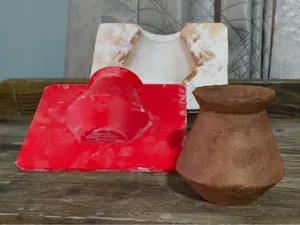


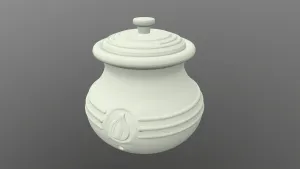

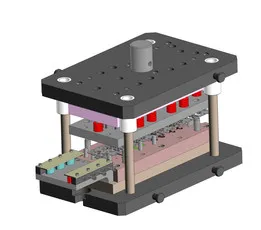


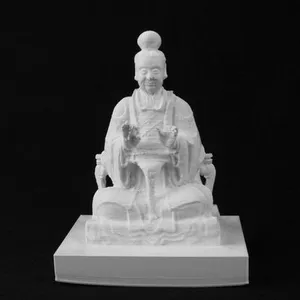


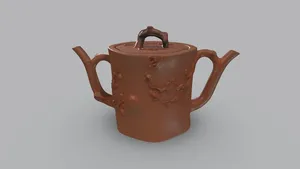
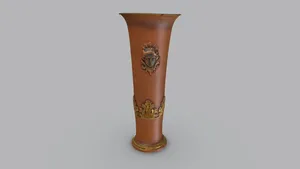
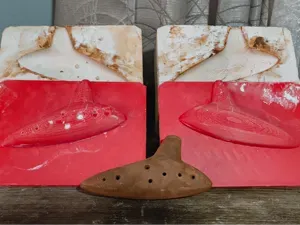





Casting molds are negative forms: slip is poured in, the body dries and comes out as a cup, bowl or vase. They range from simple one-part open molds to multi-part versions with a separate master and case. Tile-related files serve a different purpose — clamps, miter cutting guides and templates for installation points are printed as functional parts rather than as casting forms. Textured rollers and stamps sit between the two, shaping a surface instead of a whole object.
When you pick a file, look at wall thickness and the number of parts first, since a thin wall and many segments change how the mold fills and how it comes apart. Check whether the author lists supports, layer height, material and print orientation, and look at photos of real prints rather than renders. For casting molds, the shrinkage of the slip and the finish of the inner surface matter more than the outer look.
If the results are thin, try related wording: ceramic mold, plaster mold, slip casting, master mold, or the object itself — mug, tumbler, bud vase, matcha bowl. For tile work, search for tile jig, miter guide, spacer, clamp or installation template. Combining a shape word with a process word usually narrows the list faster than a single broad term.


Le catalogue complet des thèmes, de la maison à la CNC, avec une recherche sur tous les sites connectés.